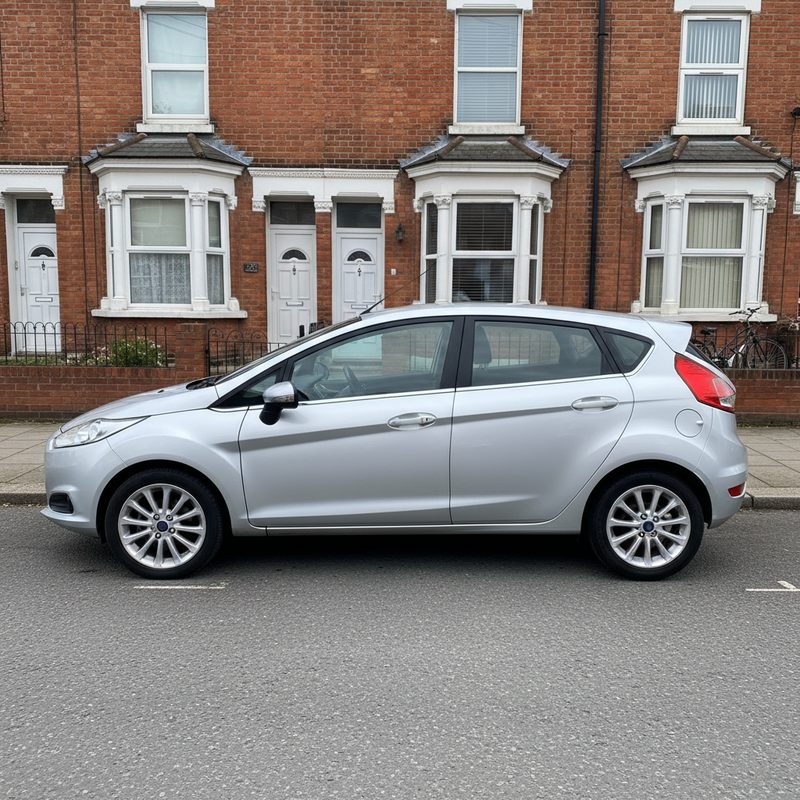
When Does a Ford Fiesta Stop Depreciating
Understanding the depreciation of a Ford Fiesta can help you make smarter buying decisions. Learn when it stabilises and how to minimise your losses.
Understanding Depreciation in the Ford Fiesta
Ah, the Ford Fiesta. A staple of the UK roads, it’s the car that’s as common as a cuppa on a rainy day. But let’s face it, while you might love its zippy handling and compact size, the reality of car ownership is that they lose value faster than a toddler loses interest in their broccoli. So, when exactly does a Ford Fiesta stop depreciating? Let’s dive into the nitty-gritty of depreciation curves, sweet spots, and how you can keep your hard-earned cash from disappearing faster than your mate at the pub when the bill arrives.
The Depreciation Curve for the Ford Fiesta
First things first, let’s talk about the depreciation curve. For most cars, including the Ford Fiesta, the value drops significantly in the first few years. Typically, you can expect a new Fiesta to lose about 20-30% of its value in the first year alone. By the end of the second year, that figure can rise to around 40-50%.
To illustrate, let’s say you buy a brand new Ford Fiesta for £18,000. By the end of the first year, it could be worth around £14,400. Fast forward to year two, and you might be looking at a value of about £9,000 to £10,800. Ouch! But don’t despair just yet. After the initial drop, the depreciation rate tends to level off.
From year three onwards, the Fiesta’s value will continue to decline, but at a much slower pace. By the time it’s five years old, you might find it’s worth around £7,500, and after that, it stabilises a bit more. This means that if you’re looking to buy a used Fiesta, waiting until it’s about three years old can be a savvy move. You’ll avoid the steepest drops in value while still getting a nearly new car.
Sweet Spot Age — Best Year to Buy for Value
Now that we’ve established the depreciation curve, let’s pinpoint the sweet spot for buying a Ford Fiesta. Generally, the best age to buy is between three to five years old. At this stage, the car has typically undergone its most significant depreciation, meaning you can snag a decent deal without compromising on quality.
For instance, a three-year-old Fiesta might be priced around £10,000 to £12,000, depending on the trim and mileage. This price point offers a fantastic balance of value and reliability. Plus, most of these cars will still be under the manufacturer’s warranty, giving you peace of mind.
If you’re considering a five-year-old model, you might find prices drop to around £7,000 to £9,000. At this age, the Fiesta is still relatively modern, with many of the latest tech features, yet you’ll be paying a fraction of the new car price. It’s like finding a tenner in your old coat pocket — a lovely surprise!
Which Variants/Specs Hold Value Best
Not all Ford Fiestas are created equal when it comes to holding their value. Certain variants and specifications tend to fare better than others. Generally speaking, the higher-spec models, such as the Titanium or ST-Line, tend to retain their value better than the base models. Why? Well, buyers often prefer the additional features and performance enhancements that come with these trims.
For example, the sporty Ford Fiesta ST is a prime example of a model that holds its value well. With its turbocharged engine and sporty handling, it appeals to a broader audience, which helps keep demand high. You might find that while a standard Fiesta might depreciate to around £7,500 after five years, a well-maintained ST could still command £9,000 or more, depending on mileage and condition.
Additionally, colour can play a role in resale value. Classic colours like black, white, and silver tend to be more popular and can help maintain a higher resale value compared to more niche colours. So, if you’re buying a used Fiesta, keep an eye out for those popular trims and colours to maximise your investment.
Factors That Affect This Model's Resale Value
Several factors can influence the resale value of a Ford Fiesta, and being aware of them can help you make a more informed purchase. Here are some key considerations:
-
Mileage: As with any used car, mileage is a significant factor. A Fiesta with 30,000 miles will generally be worth more than one with 75,000 miles. If you’re considering a used Fiesta, check out guides like Used Ford Fiesta with 75k Miles — Worth the Risk? to understand the implications of higher mileage.
-
Service History: A full service history can significantly boost a car's value. Buyers are more likely to pay a premium for a Fiesta that has been well-maintained and regularly serviced. Always ask for documentation when considering a used purchase.
-
Condition: The overall condition of the vehicle matters. A Fiesta that has been kept in pristine condition, with no dents or scratches, will fetch a better price than one that looks like it’s been through a demolition derby.
-
Market Demand: The popularity of the Fiesta can fluctuate based on market trends. If there’s a surge in demand for small cars, you might find that resale values hold up better. Keep an eye on trends in the automotive market to gauge when might be the best time to sell.
-
Modifications: While some modifications can enhance a car’s appeal, others can detract from its value. If you’re considering personalising your Fiesta, keep in mind that not all buyers will appreciate your unique taste in spoilers or neon underglow.
How to Minimise Depreciation When You Buy
So, you’ve decided to buy a Ford Fiesta. Great choice! Now, how can you minimise depreciation and keep more of your money in your pocket? Here are some tips:
-
Buy Used: As discussed, buying a used Fiesta that’s around three to five years old can save you a significant amount of money compared to a brand-new model. You’ll avoid the steepest depreciation curve and still get a nearly new car.
-
Choose the Right Trim: Opt for higher-spec models that are more likely to hold their value. The Titanium and ST-Line variants are excellent choices for retaining value over time.
-
Keep It Clean: Regular maintenance and cleaning can keep your Fiesta in top condition, which can help maintain its resale value. A well-kept car is always more appealing to potential buyers.
-
Limit Modifications: While it’s tempting to personalise your car, remember that not all modifications will increase its value. Stick to tasteful upgrades that appeal to a broader audience.
-
Consider Fuel Economy: With rising fuel prices, buyers are increasingly looking for economical cars. The Fiesta’s fuel efficiency is one of its strong selling points, so make sure to highlight this when it’s time to sell.
Dave's Recommendation on Timing Your Purchase
Timing can be everything when it comes to buying a used Ford Fiesta. Ideally, aim to purchase during the winter months when demand tends to dip. Many people are less inclined to buy cars during the colder months, meaning you might find better deals and more room for negotiation.
Additionally, consider shopping just after the new registration plates are released in March and September. Many people will be trading in their old cars for the latest models, which can flood the market with used cars and drive prices down. You can often find great deals during these times.
If you’re keen on a particular model, keep an eye on the market using platforms like AutoTrader to track prices and availability. This way, you’ll be well-informed and ready to pounce when the right Fiesta comes along.
Conclusion
Understanding when a Ford Fiesta stops depreciating is crucial for making a smart purchase. By knowing the depreciation curve, identifying the sweet spot for buying, and being aware of factors that affect resale value, you can make a more informed decision. Plus, with a few savvy strategies to minimise depreciation, you’ll be well on your way to keeping more cash in your pocket.
So, before you head out to buy your next Fiesta, why not check its value with my free report? It’s a great way to ensure you’re getting the best deal possible. Happy car hunting, and may your Fiesta bring you joy (and a bit of cash back when it’s time to sell)!
Check Ford Fiesta, instantly with Dave's free vehicle intelligence report.
Check any Ford Fiesta's value with Dave's free report