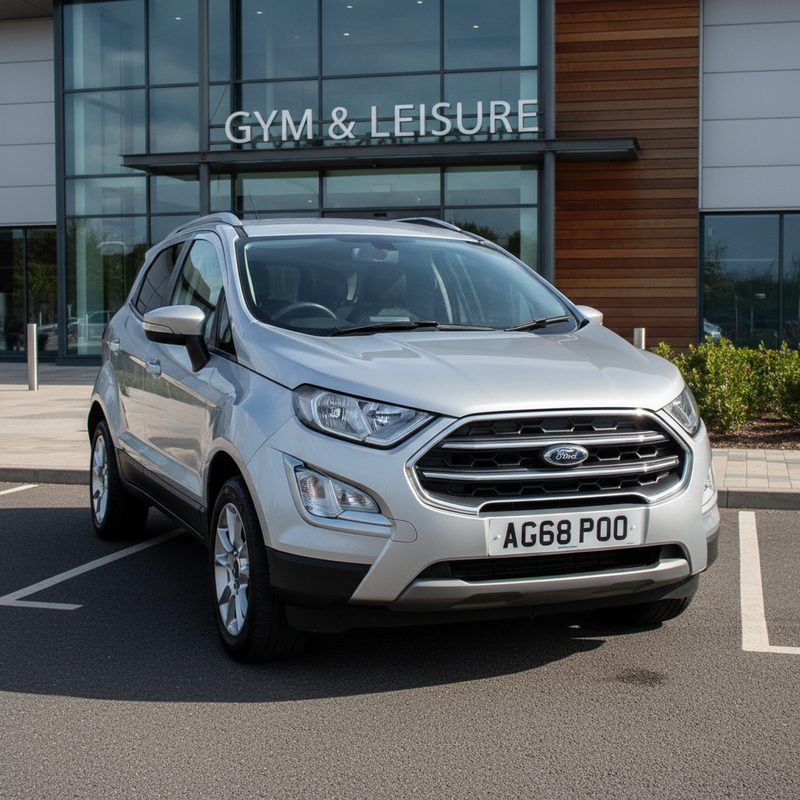
Ford EcoSport Depreciation — Best Year to Buy Used for Value
The Ford EcoSport divides opinion, but its heavy depreciation creates genuine bargains for used buyers. Covering the numbers and tells you exactly when to strike.
Let's Talk About the Elephant in the Room
I am going to be honest with you right from the start. The Ford EcoSport is not the best car Ford has ever made. It was originally designed for the Brazilian market, adapted for European roads, and it always felt like a bit of a compromise. The high driving position is pleasant enough, the boot is decent, and it wears the Ford badge, but it never drove as well as a Fiesta, never felt as refined as a Puma, and the interior quality left something to be desired.
So why am I writing about it? Because the EcoSport's mediocre reputation means it depreciates faster than almost anything else in the Ford range, and that creates some genuinely brilliant bargains for used car buyers who know what they are doing. If you want a small SUV with a raised seating position, decent boot space, and Ford's cheap running costs, the EcoSport at the right price is surprisingly easy to live with.
New EcoSport prices ranged from around £21,000 for a Zetec to £25,000 for a top-spec ST-Line. Ford pulled the plug on UK sales in 2022, so the model is already out of production, which adds another layer of depreciation pressure.
The EcoSport Depreciation Story in Numbers
Here is the reality for a Ford EcoSport 1.0 EcoBoost ST-Line (approximately £24,500 new):
- Year 1: Drops to about £16,200 (34% loss, roughly £8,300 gone)
- Year 2: Drops to about £12,700 (22% further loss)
- Year 3: Drops to about £10,200 (20% further loss)
- Year 4: Drops to about £8,400 (18% further loss)
- Year 5: Drops to about £7,000 (17% further loss)
- Year 6: Drops to about £5,800 (17% further loss)
Those numbers are brutal. A 34% first-year loss is significantly worse than the Fiesta, Focus, or Puma. After just three years, the EcoSport has shed 58% of its value. After five years, it is down to just 29% of the original price. If you bought one new and sold it at five years, you have lost £17,500. That is painful by any measure.
But here is where it gets interesting for the used buyer. The EcoSport's weakness from new is your strength when buying second-hand. Because the first three years eat up so much of the value, buying at four to five years old means you are getting a relatively modern small SUV for pennies on the pound.
Dave's Sweet Spot -- Where the Real Deals Are
Unlike most of my recommendations, I am going to push the EcoSport sweet spot a bit later than usual. I think the best value sits at four to six years old.
Here is my logic. At four years old, a 2022 EcoSport ST-Line with 30,000 miles costs around £8,000 to £9,500. At that price, you are buying a car with the modern 1.0 EcoBoost engine, Ford's SYNC3 infotainment system, and all the safety equipment you would expect. Annual depreciation from this point forward is roughly £1,000 to £1,200 per year. That is perfectly acceptable for a daily driver.
At six years old, you are into true bargain territory. A 2020 EcoSport in decent condition with 50,000 miles can be found for £5,500 to £7,000. At those numbers, depreciation is around £700 to £900 per year. You could run it for two or three years and sell it for barely less than you paid.
For the absolute tightest budgets, the pre-facelift EcoSport (2014-2017) is available from £3,000 to £4,500. These earlier cars had the slightly odd side-hinged rear tailgate (rather than the conventional top-hinged boot on later models) and a less polished interior. Depreciation at this age is effectively zero -- you will get back roughly what you paid, minus any mechanical issues.
Which EcoSport Versions Lose the Least
Engine Options
The 1.0 EcoBoost is the only engine worth considering. It came in 100PS and 125PS versions, and the 125PS is the one everyone wants. It has enough performance to make the EcoSport feel capable on motorways, it returns 40-45mpg in real-world driving, and it is the most reliable engine in the range.
The 1.5 TDCi diesel was offered on earlier models and is best avoided. Diesel demand has collapsed for small SUVs, and the EcoSport diesel is particularly slow and agricultural. Expect diesel versions to be worth 8-12% less than equivalent petrol models at any age.
The 1.5 Ti-VCT petrol (which came with the optional four-wheel drive system) is rare and unpopular. It is thirsty, underpowered, and the AWD system adds weight and complexity without providing meaningful off-road ability. Values are weak.
Trim and Specification
ST-Line is comfortably the best trim for value retention. It looks sportier, has decent equipment, and appeals to the widest range of buyers. Titanium does fine but feels a bit anonymous. Zetec at the entry level lacks equipment and is harder to sell. Active trim was available briefly and does slightly better than Zetec but not as well as ST-Line.
Colour and Appearance
Grey and white dominate the EcoSport market, and they sell fastest. Blue is a reasonable second choice. Red is acceptable. Avoid orange, brown, or any unusual colour -- the EcoSport already has limited appeal, and a challenging colour makes it harder still.
What Tanks an EcoSport's Value
The number one killer is the combination of high mileage and missing service history. Because EcoSport values are already low, any further negative factors have a disproportionate impact. A five-year-old EcoSport with 70,000 miles and no service history might struggle to sell for £4,500, while the same car with 35,000 miles and full Ford stamps could fetch £7,000 or more. That is a 55% difference caused entirely by care and mileage.
Bodywork condition is amplified on cheaper cars. When you are selling a car for £6,000, a £500 repair estimate on a dented panel or scratched bumper represents a huge percentage of the value. Buyers will either walk away or demand a massive discount. Keep the bodywork clean and deal with minor damage promptly.
The rear tailgate on earlier models is worth checking. The side-hinged door has been known to develop hinge wear, and the spare wheel mounted on the back adds weight that stresses the hinges over time. A sagging or misaligned tailgate is an instant red flag for buyers.
MOT advisories around suspension components are common on EcoSports because the ride height puts extra strain on bushings and anti-roll bar links. A clean MOT history with no advisories makes a real difference to buyer confidence at this price point.
Making the EcoSport Work Financially
My strategy for the EcoSport is simple: buy cheap, run cheap, and do not overthink it.
Target a four to six-year-old car in ST-Line trim with the 1.0 EcoBoost 125PS engine. Spend £6,000 to £9,000. Make sure it has a full service history and a clean MOT record. Choose grey, white, or blue. Expect to lose around £800 to £1,200 per year in depreciation.
Do not spend money modifying it. Do not pay over the odds for rare specifications. Do not buy the diesel. Keep the maintenance up to date, and the EcoSport will serve you well as a practical, easy-to-park daily driver with that raised seating position many drivers prefer.
insurance is typically groups 10-15, which makes it affordable for younger drivers too. road tax is reasonable on the EcoBoost engine. Tyres are standard sizes and cost £60 to £90 each for decent brands. It is a genuinely cheap car to run.
Dave's Honest Assessment
The Ford EcoSport is never going to win car of the year. It is not the sharpest tool in the shed. But as a used buy at four to six years old, it represents genuine value. You get a modern, safe, economical small SUV for the price of a much older car from a different class. The depreciation curve has done most of its damage by this point, and you can run one for a couple of years without losing much at all.
Just make sure you check the car thoroughly before buying. Run the registration through Dave's vehicle check to confirm mileage records are consistent, check for outstanding finance, review the MOT history for patterns, and verify the car has not been written off. At this price point, a hidden problem can wipe out the value entirely, so a proper check is not optional -- it is essential.
Check Ford EcoSport, instantly with Dave's free vehicle intelligence report.
Check a specific year with Dave