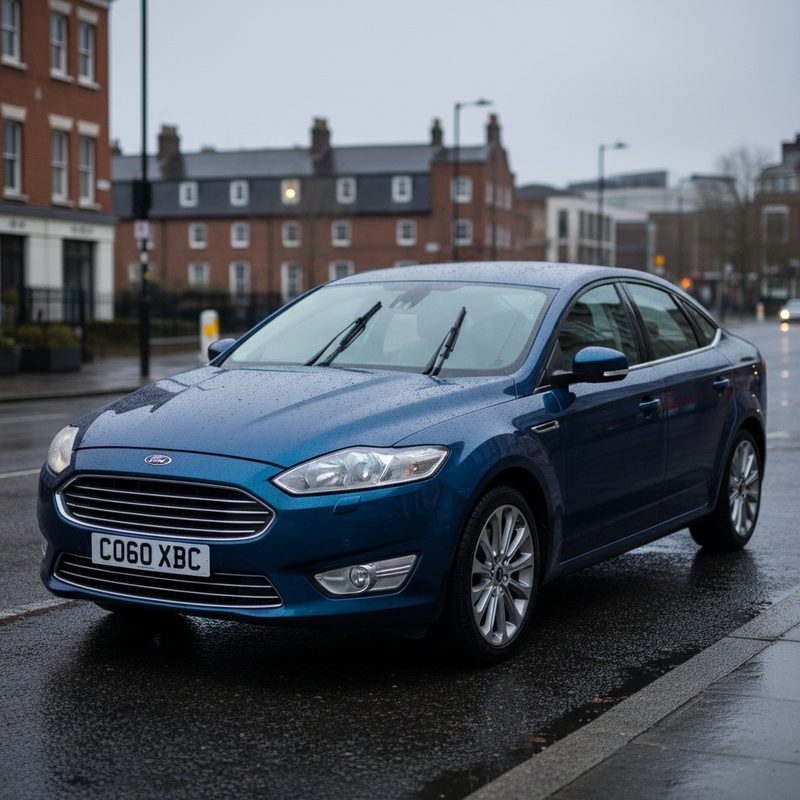
Ford Mondeo Depreciation — Best Year to Buy Used for Value
The Ford Mondeo was once the default company car across Britain. Now discontinued, it offers incredible used value -- but only if you buy at the right age. Covering the depreciation numbers.
A Fond Farewell to Britain's Favourite Company Car
The Ford Mondeo holds a special place in British motoring. For two decades it was the default choice for sales reps, middle managers, and anyone who wanted a comfortable motorway cruiser without the premium badge price. Ford ended Mondeo production in 2022, and that matters enormously for depreciation because there are no new ones pushing down used values.
When the final Mk5 Mondeos were rolling off the forecourt, a well-specced Titanium Edition in estate form with the 2.0 EcoBlue diesel would have cost around £32,000 to £35,000. The hatchback was slightly cheaper at £30,000 to £33,000. These are substantial numbers, and the Mondeo's depreciation from new has historically been brutal. Large family cars lose value faster than almost any other segment, and the Mondeo is no exception.
In year one, a typical Mondeo sheds around 33-38% of its value. On a £33,000 Titanium Edition, that is a staggering £10,900 to £12,500 gone in twelve months. By the end of year three, you are looking at cumulative losses of around 55-60%. That means a three-year-old Mondeo that cost £33,000 new might be available for £13,200 to £14,850. Painful for the original buyer, brilliant for you.
The Mondeo Depreciation Curve Explained
Let me map out the typical journey for a Ford Mondeo 2.0 EcoBlue Titanium Estate (£34,000 new):
- Year 1: Value drops to around £22,000 (35% loss, roughly £12,000 evaporated)
- Year 2: Value drops to around £17,500 (20% loss from year 1 value)
- Year 3: Value drops to around £14,500 (17% loss from year 2 value)
- Year 4: Value drops to around £12,000 (17% loss from year 3 value)
- Year 5: Value drops to around £10,000 (17% loss from year 4 value)
- Year 6: Value drops to around £8,500 (15% loss from year 5 value)
- Year 7: Value drops to around £7,200 (15% loss from year 6 value)
- Year 8: Value drops to around £6,000 (17% loss from year 7 value)
What stands out about the Mondeo is that the percentage losses remain stubbornly high even in middle age. Unlike smaller cars where depreciation flattens sharply after year four, the Mondeo keeps losing 15-17% per year right through to year seven. This is partly because running costs on a large car are higher, and partly because the Mondeo competes with some very strong premium alternatives once prices drop below £15,000.
Finding the Value Sweet Spot
With the Mondeo, my approach is slightly different from smaller Fords. Because it depreciates so aggressively, I actually think the sweet spot is earlier than you might expect -- specifically at two to three years old.
Here is my reasoning. A two-year-old Mondeo Titanium Estate with 25,000 miles will cost you around £16,000 to £18,000. That is already £16,000 less than the new price. If you keep it for three years and sell it at five years old with 55,000 miles, you will lose around £6,500 to £7,500. That works out at roughly £2,200 to £2,500 per year, which for a large, comfortable estate car is genuinely competitive with anything in the class.
The alternative is to go much older. The Mk4 Mondeo (2007-2014) has reached the point where depreciation has virtually stopped. You can pick up a tidy Mk4 Titanium X with the 2.0 TDCi engine and 80,000 miles for £3,000 to £4,500. At that price, you might lose £300 to £500 per year at most. These are superb motorway cars with brilliant seats and a composed ride, and they are an absolute bargain.
The Awkward Middle Ground
I would actually avoid Mondeos in the four to six-year-old bracket. At that age, they are still losing significant value in percentage terms, but they are also starting to need more expensive maintenance. Tyres on a Mondeo cost £80 to £120 each for decent brands, the brakes are larger and more costly than a Focus, and the 2.0 diesel engines can develop injector issues around the 70,000-mile mark. Buying at two to three years means you still have some manufacturer warranty left. Buying at seven years plus means the car is cheap enough that maintenance costs are proportionally less painful.
Which Mondeo Variants Resist Depreciation Best
Estate vs Hatchback
This is a fascinating split. The Mondeo Estate holds value approximately 5-8% better than the hatchback at every age bracket. Estate buyers tend to be families or professionals who need the space, and they are willing to pay a premium. A five-year-old Estate might fetch £10,500 while an equivalent hatchback sits at £9,500. If you have no strong preference, always buy the estate.
Engine Choices
The 2.0 EcoBlue diesel in 150PS form is the most popular and holds value best among the standard engines. The 190PS version commands a small premium, typically £500 to £800 more at any age. The 1.5 EcoBoost petrol is less common and actually depreciates faster because Mondeo buyers overwhelmingly prefer diesel for the motorway miles.
The 2.0 hybrid was offered in later Mk5 models, and it sits in an interesting position. Values are currently soft because the hybrid system is complex and buyers worry about long-term reliability. However, as Clean Air Zones expand, the hybrid could start holding value better. It is a slight gamble.
Trim Levels
Titanium and Titanium Edition are the money trims. ST-Line looks sportier but does not suit the Mondeo's character as well, and buyers know it. Zetec at the bottom of the range depreciates fastest because it lacks equipment that buyers expect on a car of this size -- no heated seats, basic infotainment, and cloth trim.
Vignale was Ford's attempt at luxury, and the values are mixed. It cost significantly more new, so the percentage depreciation is higher, but the actual prices are attractive because you get leather, premium audio, and executive-level equipment.
Key Factors That Affect Mondeo Resale Values
Mileage is paramount, but the threshold is different for a Mondeo compared to a Fiesta. Mondeo buyers expect higher mileage. A five-year-old Mondeo with 60,000 miles is perfectly normal and will sell close to market average. Push beyond 80,000 miles at the same age, and you will see a 10-15% penalty. Below 40,000 miles at five years is genuinely unusual and commands a 5-8% premium.
Full service history is non-negotiable on a diesel Mondeo. These engines need regular oil changes and the diesel particulate filter needs proper care. A patchy service record suggests the DPF might be clogged, injectors might be worn, and the dual-mass flywheel could be on its last legs. The difference between a fully stamped service book and a missing one can be £1,000 to £2,000 on a Mondeo.
Colour preferences lean towards silvers, greys, and whites for the Mondeo. Blue is acceptable. Black looks smart but shows every scratch and swirl. Red Mondeos are surprisingly hard to sell -- they just do not suit the car's character -- and will lose 3-5% compared to neutral tones.
Interior condition is crucial. Mondeos with cloth seats in Zetec trim show wear badly by 60,000 miles. Leather trim in Titanium X or Vignale is more durable and more desirable. Cracked dashboard plastics and worn steering wheels are common on higher-mileage examples and will cost you at resale.
Dave's Strategy for Mondeo Depreciation
My advice for the Mondeo can be summed up in two strategies:
Strategy One: Buy at two to three years old, in Titanium or Titanium Edition estate form, with the 2.0 EcoBlue 150PS diesel, in a grey or silver metallic, with under 35,000 miles and full Ford service history. Budget £16,000 to £18,000. Keep for three years. Expect to lose £2,200 to £2,500 per year.
Strategy Two: Buy at seven to eight years old (Mk5 early models or late Mk4), same spec preferences, with 70,000 to 90,000 miles. Budget £4,000 to £6,500. At this price, you are practically depreciation-proof and running costs per mile are as low as it gets for a car this comfortable.
Avoid the four to six-year window where you get the worst combination of ongoing depreciation and rising maintenance costs.
Dave's Closing Thoughts
The Mondeo is a car that rewards the informed buyer. Its depreciation curve is steep, which means terrible news for new car buyers but absolutely brilliant news for anyone buying used. Now that production has ended, the best examples will gradually become harder to find, particularly low-mileage estates with full history.
Do not rush into a purchase without checking the car thoroughly. Mondeos rack up motorway miles, and not all of those miles are kind ones. Before you commit, run the registration through Dave's vehicle check. You will instantly see the full MOT history, confirm the mileage is genuine, check for outstanding finance, and find out if the car has ever been written off. On a car with this sort of depreciation, knowing the full story is worth every penny of the check fee.
Check Ford Mondeo, instantly with Dave's free vehicle intelligence report.
Check a specific year with Dave