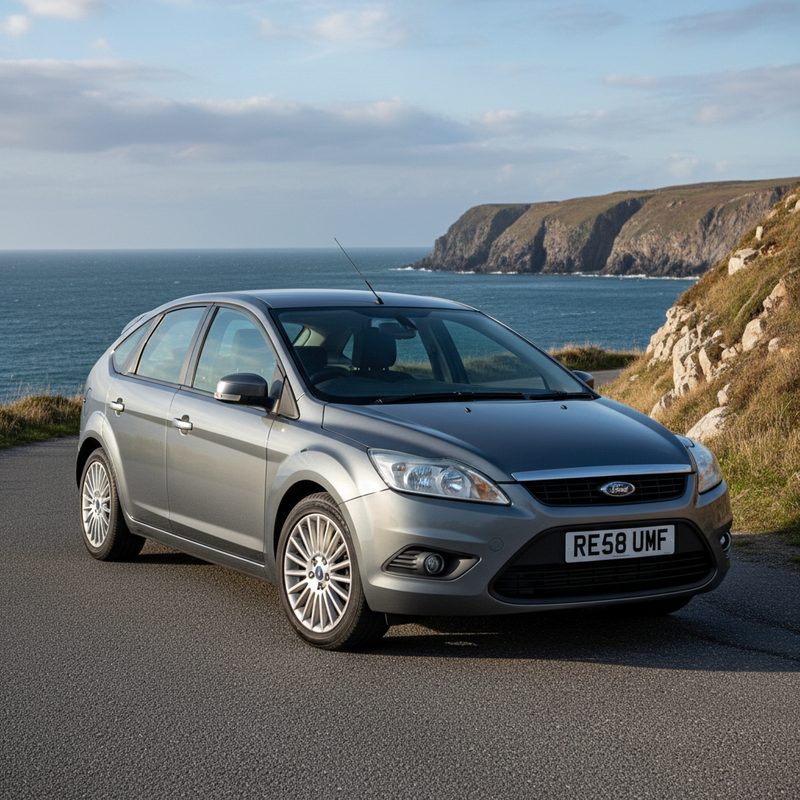
Ford Focus Depreciation — Best Year to Buy Used for Value
The Ford Focus has been a family favourite for decades, but depreciation varies wildly between generations. Covering the smartest age to buy and which specs keep their value best.
The Ford Focus in the UK Used Car Market
Let me tell you something about the Ford Focus that might surprise you. Despite being replaced by crossovers and SUVs in many buyers' minds, the Focus remains one of the most searched-for used cars in Britain. That sustained demand is your friend when it comes to resale value, but the sheer volume of Focuses flooding the second-hand market keeps prices competitive for buyers. It is a win-win situation if you know where to look.
The Focus has been through four generations since 1998, and depreciation behaviour changes dramatically between them. The Mk4 (2018 onwards) is the most relevant for anyone looking at a modern, well-equipped family hatchback, and that is where most of my analysis focuses. But I will cover the older models too, because some of the best bargains sit in the Mk3 and Mk3.5 era.
A new Mk4 Focus in mid-spec Active trim with the 1.0 EcoBoost 125PS engine listed at around £27,000 before Ford ended UK production. That is a hefty sum for a family hatchback, and the depreciation from new is punishing. In year one, expect to lose around 28-32% of the value. That is roughly £7,500 to £8,600 vanishing before you have barely run the engine in.
If you are weighing up alternatives, our guide to Audi Q3 Depreciation covers similar ground from a different angle.
Breaking Down the Depreciation Curve
Here is how a typical Ford Focus 1.0 EcoBoost Active (£27,000 new) depreciates over time:
- Year 1: Down to approximately £19,000 (30% loss, around £8,000 gone)
- Year 2: Down to approximately £15,500 (18% further loss)
- Year 3: Down to approximately £13,000 (16% further loss)
- Year 4: Down to approximately £11,000 (15% further loss)
- Year 5: Down to approximately £9,500 (14% further loss)
- Year 6: Down to approximately £8,200 (14% further loss)
- Year 7: Down to approximately £7,000 (15% further loss)
The pattern is clear. The Focus sheds value most aggressively in years one through three, losing close to £14,000 in that window alone. After year four, the annual losses in pound terms shrink to around £1,300 to £1,500 per year. By year seven, depreciation slows further still, and you are looking at losses of perhaps £1,000 to £1,200 annually.
Compare that to a premium rival like a BMW 1 Series or Audi A3, and the Focus actually holds its ground reasonably well in percentage terms. The lower starting price means smaller absolute losses, which is precisely why the Focus appeals to cost-conscious families.
For more on this topic, take a look at our Which Car Colours Hold Value Best UK guide.
Dave's Sweet Spot -- When to Strike
My number-one recommendation for Focus buyers is the three to five-year-old window. Specifically, I would target a 2021 or 2022 model year Mk4 Focus. At this age, you benefit from the following:
The car has already absorbed roughly 50-55% of its total depreciation. You are picking it up at the point where annual value loss has levelled off considerably. A 2022 Focus Active with 35,000 miles will cost you around £12,000 to £14,000 depending on exact spec and condition. Hold it for three years, sell it at six to seven years old, and your total ownership depreciation might be as low as £3,500 to £4,500. That works out at roughly £1,200 to £1,500 per year. For a comfortable, well-equipped family car, that is excellent value.
You might also find our SEAT Leon Depreciation guide useful alongside this one.
If your budget is more modest, the Mk3.5 Focus (2015-2018 facelift) is a hidden gem. These are now seven to ten years old, and you can find tidy examples with reasonable mileage from £5,000 to £7,500. Depreciation at this age is virtually flat -- you might lose £400 to £700 per year at most. The Mk3.5 got a much-improved interior over the earlier Mk3, and the 1.0 EcoBoost engine is proven and economical.
Which Variants and Specs Hold Value Best
The ST Story
Just like its little brother the Fiesta ST, the Focus ST is a depreciation champion. The 2.3-litre EcoBoost ST produces 280PS and has a devoted following. A Focus ST that cost £35,000 new will typically hold around 45-50% of its value after three years, compared to 48-52% loss for a standard Focus. In pound terms, a three-year-old ST might be worth £17,000 to £18,500. The estate version of the ST is even rarer and holds value slightly better than the hatchback.
We have covered related ground in our Vauxhall Corsa Resale Value guide, which is worth reading if this subject interests you.
Trim Level Differences
Active and ST-Line trims consistently outperform Zetec and Titanium when it comes to resale. The Active trim, with its raised ride height and rugged styling, appeals to the crossover crowd, and that broader appeal translates to roughly 3-5% better value retention. Titanium X is the luxury spec and does reasonably well, but Zetec editions at the bottom of the Mk4 range are the weakest performers.
Diesel vs Petrol
The 1.5 EcoBlue diesel was popular with company car drivers and high-mileage users. On the used market, diesel Focuses are now depreciating faster than their petrol equivalents, particularly in urban areas where Clean Air Zones are expanding. A diesel Focus will typically be worth 5-8% less than an equivalent petrol model at any given age. My advice is straightforward: unless you genuinely need a diesel for 20,000+ mile annual journeys, stick with the 1.0 EcoBoost.
If things go wrong after purchase, Citizens Advice can help you understand your legal rights.
Estate vs Hatchback
The Focus Estate is slightly rarer and appeals to families who need the extra boot space. Estates tend to hold value about 2-4% better than the equivalent hatchback, partly because of lower supply and partly because estate buyers are typically more committed to keeping the car longer.
What Kills a Focus's Resale Value
Mileage is the single biggest factor. A Focus with 80,000 miles at five years old will fetch 20-25% less than one with 35,000 miles at the same age. On a car worth £10,000, that translates to a £2,000 to £2,500 penalty. The Focus is often used as a family workhorse, so high-mileage examples are common -- which actually makes low-mileage ones more desirable.
You can look up the exact insurance group for any car on Thatcham's website before getting quotes.
Service history gaps are costly. A full Ford service history adds £700 to £1,200 to the value of any Focus under six years old. After six years, independent garage stamps are perfectly acceptable, but you still need a complete record. Missing service books or gaps in the history will send alarm bells ringing for private buyers and dealers alike.
Body condition matters more on the Focus than you might think. The Mk4 has complex LED headlights and sophisticated bumper designs that are expensive to replace. Stone chips, parking dents, and scuffed alloy wheels are common on family cars, and they collectively knock £500 to £1,500 off the value.
The FCA has a useful guide to car finance that explains your rights and what to watch for.
Colour plays its usual role. Grey, white, and blue are the strongest sellers for the Focus. Unusual colours like bright yellow or orange are harder to shift and will cost you 3-5% at resale. Metallic finishes outperform solid colours by £200 to £500.
Smart Buying Strategies for Focus Depreciation
Here is my formula for minimising your losses:
Buy at three to five years old in a neutral colour with the 1.0 EcoBoost engine and full service history. Target Active or ST-Line trim. Aim for under 40,000 miles. Budget around £12,000 to £14,000 and plan to keep the car for three years.
Maintain it properly -- a full service costs around £200 to £350 at a Ford dealer, and it is money well spent for the resale value protection. Keep on top of cosmetic issues too. A £150 smart repair on a bumper scuff now saves you £400 or more when you come to sell.
If you want the absolute minimum depreciation, consider the Focus ST. Yes, the purchase price is higher, but the percentage loss is lower, and the enthusiast market ensures there is always demand.
Dave's Final Word on the Focus
The Ford Focus is one of the most sensible used car purchases you can make in Britain. It drives brilliantly, it is practical, parts are cheap, and insurance is reasonable. The depreciation curve rewards patient buyers who let someone else take the first three years of pain.
My top pick right now would be a 2022 Focus ST-Line with the 1.0 EcoBoost 125PS in a grey or blue metallic. At around £12,500 to £13,500 with 30,000 miles, you are getting a near-new experience for half the original price. And with Focus production ended, decent examples will only become harder to find as the years pass.
Before you hand over your money, do yourself a favour and run the registration through Dave's vehicle check. You will get the full MOT history, mileage verification, outstanding finance check, and write-off status. I have seen Focuses with hidden finance or previous accident damage that knocked thousands off their true value. A quick check now saves a painful surprise later.
Check Ford Focus, instantly with Dave's free vehicle intelligence report.
Check a specific year with Dave