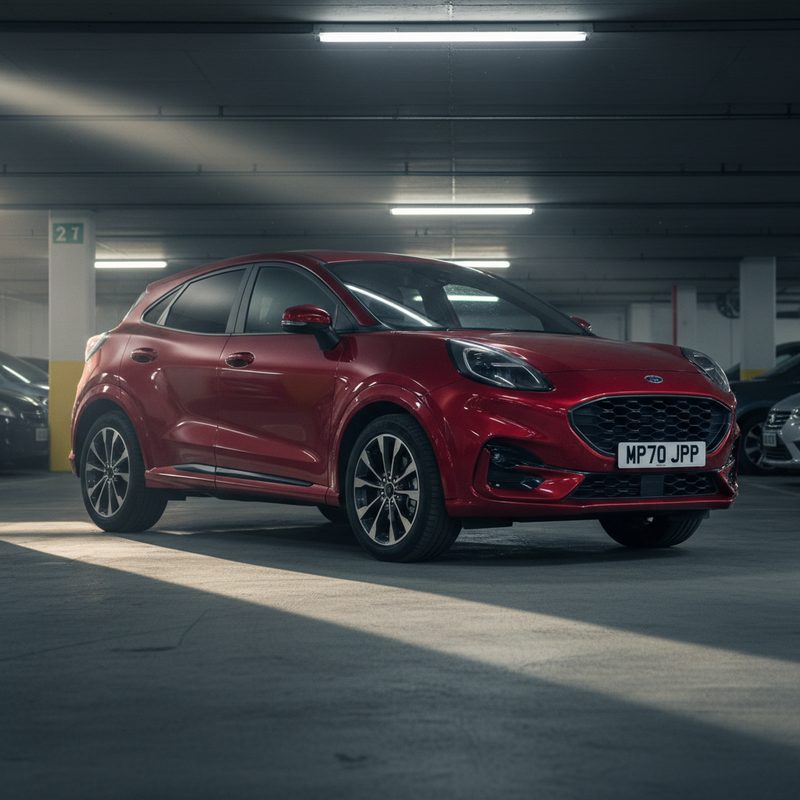
Ford Puma Depreciation: Best Year to Buy Used for Value
The Ford Puma is the new darling of the compact crossover market, but how does it hold its value? Into the depreciation data and reveals the smartest time to buy.
The Ford Puma -- A Modern Classic in the Making?
Alright, let me set the scene. The Ford Puma arrived in 2020 as a small crossover based on the Fiesta platform, and it quickly became one of Britain's best-selling cars. It has sharp styling, a clever mega-box boot with a built-in drain plug (seriously, you can hose it out), and it drives better than any small crossover has any right to. Ford hit it out of the park with this one.
But none of that matters if you are throwing money away on depreciation. The Puma launched with prices starting around £22,000 for a Titanium and climbing to £32,000 or more for the range-topping ST with its turbocharged 1.5-litre engine pushing out 200PS. Even the mid-range ST-Line Vignale nudged £29,000. For a car built on Fiesta underpinnings, those prices raised a few eyebrows.
The good news is that the Puma holds its value better than almost anything else in Ford's current range. Crossovers and SUVs consistently outperform hatchbacks and saloons for value retention, and the Puma benefits from being genuinely desirable rather than just practical. People actually want these cars, and that demand props up residual values.
How the Puma Depreciates Year on Year
Using a Ford Puma 1.0 EcoBoost Hybrid ST-Line (approximately £27,500 new) as our benchmark:
- Year 1: Worth around £20,600 (25% loss, roughly £6,900 gone)
- Year 2: Worth around £17,600 (15% further drop)
- Year 3: Worth around £15,200 (14% further drop)
- Year 4: Worth around £13,300 (12% further drop)
- Year 5: Worth around £11,800 (11% further drop)
- Year 6: Worth around £10,500 (11% further drop)
Those numbers look strong. A 25% first-year loss is actually below the market average for mainstream brands, and the 11% annual losses from year four onwards are genuinely impressive. After five years, the Puma retains around 43% of its original value. Compare that to a Ford Focus at the same age retaining around 35%, or a Vauxhall Crossland at closer to 30%, and you can see why the Puma is a smart financial choice.
If you are weighing up alternatives, our guide to VW Polo Depreciation covers similar ground from a different angle.
The Puma ST follows an even flatter depreciation curve. A £32,000 ST might only lose 22% in year one, dropping to around £25,000. By year three, it could still be worth £19,000 to £20,000. Hot crossovers are rare, and the Puma ST essentially has no direct competitor.
When Should You Buy? Dave's Sweet Spot
The Puma is still a relatively young model, so the sweet spot is a bit different from something like the Fiesta or Focus. Because it holds value so well in the early years, the value equation does not swing dramatically in your favour until the car reaches two to three years old.
My recommendation: aim for a 2023 model year Puma in ST-Line or ST-Line X trim. At two to three years old with 20,000 to 30,000 miles, you are looking at prices between £15,000 and £18,000. You have let the original buyer absorb £10,000 to £12,000 in depreciation, and you are picking up a car that still feels essentially new.
For more on this topic, take a look at our Volkswagen Touran Depreciation guide.
Keep it for three years, sell at five to six years old, and your total depreciation will likely be £3,500 to £5,000. That is around £1,200 to £1,700 per year. For a modern, well-equipped crossover with mild hybrid technology and one of the best chassis in the class, that is exceptional value.
For budget buyers, the earliest Pumas (2020 models) are now reaching five to six years old and are available from £10,000 to £12,500. These are starting to enter the zone where depreciation is really gentle. If you find a well-cared-for early Puma at £11,000, you might only lose £1,000 to £1,500 per year going forward.
Which Puma Specs Hold Their Value
The ST -- King of Residuals
The Puma ST is the standout performer. It costs about £4,500 more than an ST-Line when new, but after three years, the gap narrows to roughly £3,000 to £3,500. In percentage terms, the ST loses less value, and it is always in demand. If you can stretch to an ST, the long-term cost of ownership is surprisingly close to the standard car.
You might also find our Vauxhall Corsa guide useful alongside this one.
Trim Rankings
ST-Line and ST-Line X are the strongest trims for holding value. They look sportier, have the equipment list buyers expect, and photograph well for online listings. Titanium does fine but tends to sit slightly longer on forecourts. The base Titanium trim has been dropped from the latest models, which tells you something about where demand sits.
ST-Line Vignale offers a luxury twist with premium materials and extra kit. It costs more new, and the resale premium is real but modest -- about £800 to £1,200 more than an equivalent ST-Line at any given age.
Mild Hybrid Makes Sense
Almost all Pumas come with Ford's 48-volt mild hybrid system paired to the 1.0 EcoBoost engine. This is standard on most trims and adds a small electrical boost during acceleration. Because it is so widespread in the Puma lineup, it does not command a specific premium, but non-hybrid versions (a few early base models) are slightly less desirable and worth around 2-3% less.
We have covered related ground in our Do Automatic Cars Hold Value Better Than Manual UK guide, which is worth reading if this subject interests you.
Colour Choices
The Puma suits bold colours better than most cars. The popular Stunning Blue and Desert Island Blue metallics hold value well. Grey and white are always safe bets. The standout here is Mean Green, which was an ST exclusive and has become something of a cult colour -- values on Mean Green STs are 3-5% above equivalent cars in standard colours. Red and black are perfectly acceptable. Avoid solid white -- it looks cheap on the Puma and buyers notice.
What Drags Down Puma Values
Mileage has a pronounced effect on the Puma, more so than on larger Fords. Buyers expect a small crossover to have done modest miles. A three-year-old Puma with 45,000 miles will be worth 12-15% less than one with 20,000 miles. On a car valued at £15,000, that is a difference of £1,800 to £2,250. Keep your annual mileage around 8,000 to 10,000 miles for the best resale return.
Alloy wheel condition is disproportionately important on the Puma. The larger alloys on ST-Line and ST models are vulnerable to kerb damage, and the distinctive design makes scuffs very visible. A set of refurbished alloys costs £200 to £350, and it is money well spent before selling.
If things go wrong after purchase, Citizens Advice can help you understand your legal rights.
Service history should be complete and ideally from Ford dealers for cars under four years old. The mild hybrid system is maintenance-free, but the 1.0 EcoBoost engine needs its regular oil changes to stay healthy. A full service book adds £400 to £800 to the value.
Boot condition is worth mentioning specifically for the Puma. That mega-box is lined with a waterproof coating that can get scratched and scuffed. A clean, well-maintained boot area suggests a careful owner and gives buyers confidence.
Protecting Your Investment
Here is my quick-fire guide to minimising Puma depreciation:
Buy ST-Line or ST-Line X in a desirable colour. The 1.0 EcoBoost 125PS mild hybrid in ST-Line is the sweet spot for most buyers. Get it at two to three years old with under 25,000 miles. Keep the service history spotless. Avoid modifications -- the Puma's design does not benefit from aftermarket parts, and they hurt resale. Protect those alloy wheels from kerbs.
The FCA has a useful guide to car finance that explains your rights and what to watch for.
If you want the performance version, the ST at three years old is where the value equation gets really interesting. Expect to pay around £20,000 to £22,000 for a tidy ST with 25,000 miles, and enjoy some of the best driving dynamics of any crossover on sale.
Dave's Bottom Line
The Ford Puma is one of the best-depreciating (least-depreciating, I should say) mainstream cars in the UK right now. It combines genuine driver appeal with crossover practicality, and the used market reflects that with strong values across the range. Time your purchase at two to three years old and you will enjoy modern motoring at a fraction of the new price.
One final thing. Before you sign anything, run the registration through Dave's vehicle check. Pumas are popular and many have been fleet cars or rental vehicles. You need to know the full history -- MOT records, mileage consistency, finance status, and write-off checks. A two-minute check gives you total peace of mind and could save you from a very expensive mistake.
For current market values, search AutoTrader to see real asking prices by age and mileage. Check the MOT history on GOV.UK before buying, a clean MOT record supports stronger resale value. Look up insurance groups at Thatcham, lower groups cost less to own. Check Euro NCAP safety ratings for the model. And verify the car's details using the DVLA vehicle enquiry.