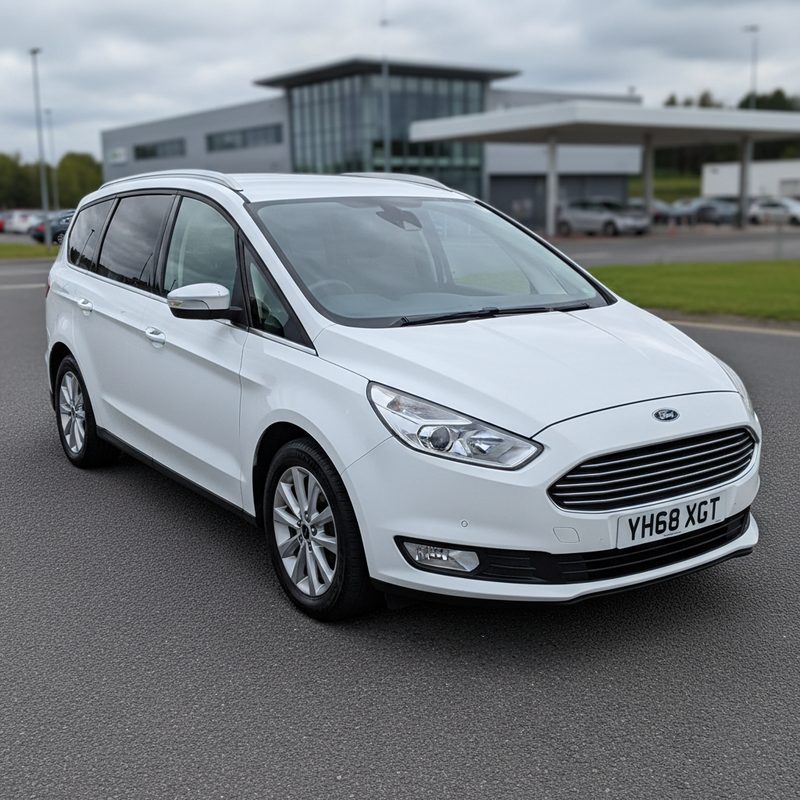
Ford Galaxy Depreciation — Best Year to Buy Used for Value
The Ford Galaxy is the king of MPVs, but its depreciation is steep from new. Exactly when to buy a used Galaxy to get maximum space for minimum cost.
Britain's Favourite Big MPV Has a Depreciation Secret
If you need to move a large family in comfort, the Ford Galaxy has been the go-to choice in Britain for over 25 years. Seven genuine adult-sized seats, a cavernous boot even with all rows in use, and a motorway ride that puts some executive saloons to shame. Ford ended Galaxy production in 2022 alongside the S-Max, which means the used market is your only option now.
The thing about MPVs is that they depreciate faster than almost any other type of car. They are deeply unfashionable compared to the seven-seat SUVs that have largely replaced them, and that lack of desirability hammers values. But here is what most people miss: the Galaxy is actually a far better car than most seven-seat SUVs. It is more comfortable, more spacious, more practical, and cheaper to run. The depreciation simply makes it an even better proposition for the informed buyer.
A new Mk4 Galaxy Titanium with the 2.0 EcoBlue 150PS diesel listed at around £36,000 to £38,000. The top-spec Titanium X pushed past £40,000, and the Vignale sat at around £42,000. Those are hefty prices, and the market punishes them accordingly.
How the Galaxy Sheds Its Value
Let me show you the depreciation trajectory for a Ford Galaxy 2.0 EcoBlue Titanium (£37,000 new):
- Year 1: Drops to roughly £24,000 (35% loss, about £13,000 evaporated)
- Year 2: Drops to roughly £19,000 (21% further loss)
- Year 3: Drops to roughly £15,500 (18% further loss)
- Year 4: Drops to roughly £12,500 (19% further loss)
- Year 5: Drops to roughly £10,500 (16% further loss)
- Year 6: Drops to roughly £8,800 (16% further loss)
- Year 7: Drops to roughly £7,400 (16% further loss)
- Year 8: Drops to roughly £6,200 (16% further loss)
The Galaxy loses over a third of its value in year one alone. That is a £13,000 hit. After three years, the total loss is around £21,500, which is 58% of the original price. These are eye-watering numbers if you bought new, but they are music to the ears of a second-hand buyer.
What stands out about the Galaxy is that the percentage losses remain remarkably consistent from year four onwards -- roughly 16% per year. The depreciation never truly flattens out the way it does with smaller, more popular cars. This is because MPV demand is limited, and as these cars age, buyers worry about the complexity of folding seat mechanisms, diesel engine maintenance, and the cost of replacing large tyres and brakes.
Dave's Sweet Spot for Galaxy Buyers
I am going to give you two very different recommendations here, because the Galaxy serves two very different types of buyer.
For the Family That Needs Space Now
Buy a three to four-year-old Galaxy. A 2022 or 2023 model with the 2.0 EcoBlue 150PS in Titanium trim with 35,000 miles will cost you £14,000 to £17,000. You are getting a car that cost nearly £38,000 new for less than half that. The car still feels relatively modern, it has Ford's SYNC3 or later infotainment, and the engine will be well within its reliable life span.
Hold it for three to four years and expect to lose around £5,000 to £6,500 total. That is roughly £1,500 to £1,800 per year. For a seven-seat vehicle this comfortable and capable, that represents outstanding value.
For the Budget-Conscious Big Family
The Mk3 Galaxy (2006-2015) is entering true bargain territory. Decent examples with the 2.0 TDCi engine and 80,000 to 100,000 miles are available from £3,000 to £5,000. At this age, depreciation has essentially stopped. You might lose £300 to £500 per year at most. The Mk3 is not as refined as the Mk4, but it is still spacious, comfortable, and practical. Just budget for more maintenance and be prepared for the occasional repair.
Variants That Hold Value
Engine Choice Is Simple
The Galaxy was exclusively diesel in the UK market for its final years, which actually works in its favour. MPV buyers expect diesel because they want the torque for loaded motorway driving and the fuel economy for family trips. The 2.0 EcoBlue in 150PS form is the workhorse engine and the most commonly available. The 190PS version commands a small premium of around £500 to £800 at any age.
Ford offered a brief flirtation with the 2.5 hybrid, but take-up was very limited. Hybrid Galaxys are rare enough that values are unpredictable. I would stick with the proven diesel.
Trim Hierarchy
Titanium is the volume seller and the easiest to shift on the used market. Titanium X adds leather seats, a powered tailgate, and other luxuries that genuinely enhance the ownership experience. The premium for Titanium X is typically £800 to £1,500 over Titanium at any age, and I think it is worth paying if you plan to keep the car for several years.
Vignale was the luxury flagship and cost a fortune new. On the used market, it represents astonishing value. A Vignale Galaxy that cost £42,000 new might be available for £14,000 at four years old. You get quilted leather, premium audio, and executive levels of comfort for the price of a mid-spec Qashqai.
Zetec trim at the bottom of the range is less common on the Galaxy and depreciates faster. Buyers shopping for a large MPV expect a certain level of equipment, and the Zetec can feel a bit lacking.
Colour and Configuration
Silver, grey, and white dominate the Galaxy market. Dark blue is acceptable. Black looks smart but shows every mark on a car this large. The Galaxy is not a car where colour has a dramatic effect on value -- most buyers are purely focused on practicality and condition.
Seven-seater versions vastly outnumber five-seaters. If you find a five-seat Galaxy, it will be harder to sell because buyers expect seven seats. Always buy the seven-seat configuration.
What Destroys Galaxy Resale Values
The third-row seat condition is the first thing savvy buyers check. If the fold-flat mechanism is worn, stiff, or damaged, it suggests heavy family use and puts buyers off. Replacing third-row seat components is expensive, so a Galaxy with perfectly functioning seats commands a real premium.
Diesel particulate filter health is critical. Galaxys that have done lots of short trips without regular motorway runs will have clogged DPFs. A DPF replacement costs £1,200 to £2,000, which at the age these cars are reaching could exceed the vehicle's value. Check that the DPF was properly maintained.
Mileage expectations are higher for the Galaxy than for smaller Fords. Buyers accept 12,000 to 15,000 miles per year as normal. Below 10,000 per year earns a modest premium. Above 20,000 per year will cost you 10-15% at resale.
Full service history is absolutely essential on a diesel Galaxy. The 2.0 engine has a timing belt that needs replacing at specific intervals, and proof of this work adds significant value. A Galaxy with an unknown timing belt history is a risky purchase, and buyers either avoid it or demand a substantial discount.
Interior condition matters enormously on a family MPV. Stained seats, broken trim clips, scratched infotainment screens, and worn carpets all point to heavy family use. A Galaxy with a clean, well-maintained interior is worth considerably more -- potentially £1,000 to £2,000 more than a tired example at the same age and mileage.
Protecting Your Galaxy Investment
Here are my practical tips:
Buy in Titanium or Titanium X trim with the 2.0 EcoBlue 150PS. Target three to four years old if budget allows, or eight-plus years for the budget option. Ensure the service history is complete and the timing belt has been changed on schedule. Check all seven seats fold and unfold smoothly.
Maintain the car properly and do not skip services. The Galaxy needs regular motorway driving to keep the DPF healthy -- aim for at least one 30-minute motorway journey per week. Keep the interior clean and protect the seats with decent covers if you have young children.
Dave's Final Word
The Ford Galaxy is the most underrated used car in Britain. Nothing else gives you this much space, comfort, and practicality for the money. The depreciation is savage from new, but that simply means used buyers get an astonishing deal. MPVs may be unfashionable, but they are functionally superior to seven-seat SUVs in almost every way.
Before you buy any Galaxy, run the registration through Dave's vehicle check. You need to verify the mileage is genuine (these cars do big miles), confirm there is no outstanding finance, check the MOT history for DPF and emissions issues, and make sure it has not been written off. A Galaxy with hidden problems is an expensive headache. A Galaxy with a clean history is one of the best family cars money can buy.
Check Ford Galaxy, instantly with Dave's free vehicle intelligence report.
Check a specific year with Dave