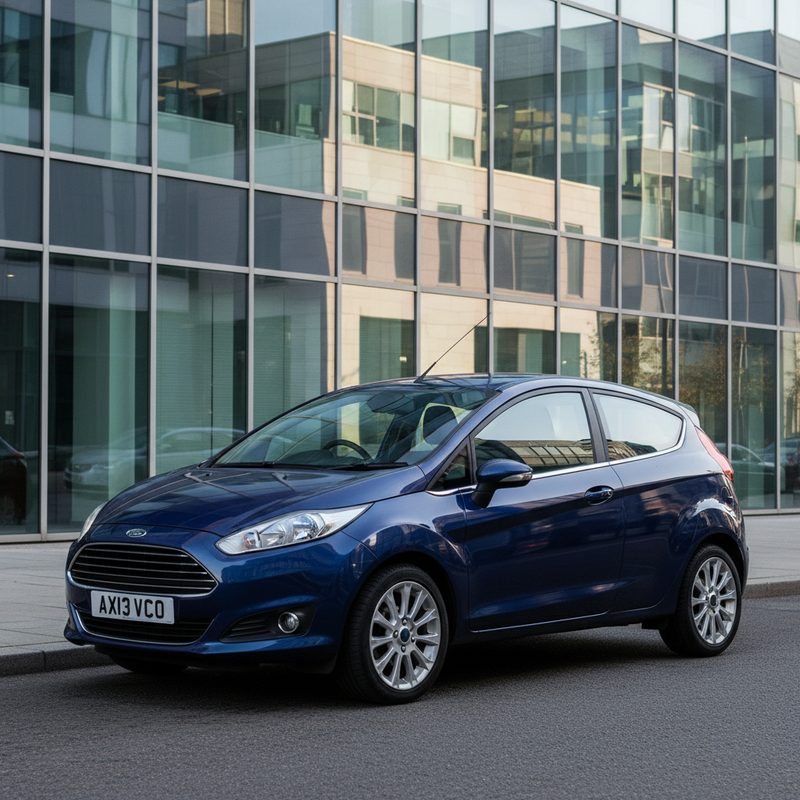
Ford Fiesta Depreciation — Best Year to Buy Used for Value
The Ford Fiesta is one of Britain's best-loved cars, but buy at the wrong age and you will watch thousands evaporate. Covering the depreciation sweet spot and how to keep more cash in your pocket.
Why the Ford Fiesta Still Dominates the Used Market
Right, let me be honest with you. The Ford Fiesta was the best-selling car in Britain for over a decade, and even though Ford pulled the plug on production in 2023, that popularity is a double-edged sword when it comes to depreciation. There are hundreds of thousands of Fiestas on UK roads, which means supply is enormous. More supply generally means faster depreciation, but the Fiesta has a few tricks up its sleeve that keep values surprisingly resilient in certain age brackets.
When the Fiesta was new, a mid-spec Zetec 1.0 EcoBoost would set you back around £18,000 to £20,000. A range-topping Vignale pushed past £22,000. Those are serious numbers for a supermini, and the depreciation from new reflects that. In the first year alone, a typical Fiesta loses roughly 25-30% of its value. That is anywhere from £4,500 to £6,000 gone before you have even had your first service.
But here is the thing. Once you get past that brutal first-year hit, the Fiesta's depreciation curve flattens out nicely compared to many rivals. Between years two and four, you are looking at around 10-15% per year. By the time a Fiesta reaches five years old, it has typically lost 55-60% of its original value. A £19,000 Zetec from 2021 might be sitting at around £8,000 to £8,500 in 2026, which honestly is not bad for a supermini.
The Depreciation Curve Year by Year
Let me walk you through how a typical Ford Fiesta 1.0 EcoBoost Zetec loses its value, based on a £19,000 list price:
If you are weighing up alternatives, our guide to BMW 3 Series Depreciation covers similar ground from a different angle.
- Year 1: Down to roughly £13,500 (29% loss, about £5,500 gone)
- Year 2: Down to roughly £11,000 (18% loss from year 1 value)
- Year 3: Down to roughly £9,200 (16% loss from year 2 value)
- Year 4: Down to roughly £7,800 (15% loss from year 3 value)
- Year 5: Down to roughly £6,800 (13% loss from year 4 value)
- Year 6: Down to roughly £6,000 (12% loss from year 5 value)
- Year 7: Down to roughly £5,200 (13% loss from year 6 value)
You can see that the biggest chunk disappears in years one and two. After that, the losses get smaller each year in pound terms. Between years five and seven, you might only lose £800 to £1,000 per year. That is where the real value sits for a savvy buyer.
Dave's Sweet Spot -- The Best Age to Buy
If you want the best balance of modern features, reliability, and value retention, I would steer you towards a three to four-year-old Fiesta every single time. At that age, the Mk8 models (2017 onwards) are well within reach, you get the excellent 1.0 EcoBoost engine, and the car has already taken its biggest depreciation hits.
A 2022 Fiesta Zetec with around 30,000 miles on the clock will cost you somewhere between £9,000 and £10,500 depending on spec and condition. If you keep it for two to three years and sell it at six or seven years old, you will probably only lose around £2,500 to £3,500 in total. Compare that to the poor soul who bought it new and lost over £9,000 in the same ownership period. The maths speaks for itself.
For more on this topic, take a look at our Skoda Octavia Depreciation guide.
For the absolute budget buyer, the Mk7.5 Fiestas (2013-2017) at seven to nine years old are cracking value. You can pick up a decent Zetec for £4,000 to £5,500, and at that price point, depreciation is almost negligible. You will lose maybe £500 to £800 per year at most, and mechanical parts are cheap as chips.
Which Variants Hold Their Value Best
Not all Fiestas are created equal when it comes to holding their value. Here is my breakdown:
ST and ST-Line Models
The Fiesta ST is a depreciation hero. Hot hatches always hold value better than their standard siblings because demand outstrips supply. A Fiesta ST that cost £25,000 new might only have dropped to £16,000 after three years. That is roughly 36% loss compared to 50%+ for a base model. Even ST-Line trim, which is basically the sporty-looking version without the performance, holds about 5-8% better than a Zetec at any given age.
Engine Choices
The 1.0 EcoBoost in either 100PS or 125PS form is the one everyone wants, so it holds value best. The old 1.25 and 1.6 petrol engines from the Mk7 era are less desirable and depreciate faster. Diesel Fiestas (the 1.5 TDCi) were never big sellers, and they are becoming harder to shift as cities tighten emission restrictions. I would avoid diesel Fiestas if resale value matters to you.
You might also find our Ford Focus Depreciation guide useful alongside this one.
Colour Matters More Than You Think
White, grey, and black Fiestas sell fastest and hold value a touch better. If you have got a bright orange or unusual green Fiesta, expect to lose an extra 3-5% compared to a neutral colour. Red does reasonably well on the Fiesta because it suits the sporty character, but metallics consistently outperform solid paint finishes by about £200 to £400 at resale.
Factors That Tank a Fiesta's Resale Value
Mileage is the big one. A Fiesta with 60,000 miles at three years old will be worth 15-20% less than one with 25,000 miles at the same age. For a car worth £9,000 in average condition, that is a difference of £1,350 to £1,800. Keep your annual mileage under 10,000 if you want to protect your investment.
Service history is absolutely critical. A Fiesta with a full Ford dealer service history will fetch £500 to £1,000 more than one with patchy records. Independent garage stamps are fine for older cars, but for anything under five years old, buyers want to see Ford stamps.
We have covered related ground in our Mercedes B Class Depreciation guide, which is worth reading if this subject interests you.
MOT history matters too. A clean MOT record with no advisories shows a well-maintained car. Multiple failures or recurring advisories for the same issues (suspension wear is common on Fiestas) will put buyers off and knock hundreds off the value.
Modifications are generally a negative unless we are talking about a Fiesta ST in the enthusiast market. Aftermarket exhausts, lowered suspension, or cheap alloy wheels on a standard Fiesta will hurt resale value by anywhere from £300 to £1,000. Keep it standard.
How to Minimise Depreciation When You Buy
Here is my playbook for keeping your Fiesta's value as high as possible:
First, buy at the sweet spot age I mentioned -- three to four years old. You let someone else absorb the steepest depreciation and you get a car that still feels nearly new.
If things go wrong after purchase, Citizens Advice can help you understand your legal rights.
Second, stick to popular specs. Zetec and ST-Line are the trims that sell easiest. Titanium is fine but slightly less in demand. Trend and Style trims at the bottom of the range are harder to sell because buyers associate Fiesta with being well-equipped.
Third, choose the 1.0 EcoBoost engine. It is the most fuel-efficient, most popular, and most desirable powerplant in the range. The 125PS version with the six-speed gearbox is the pick of the bunch.
Fourth, keep on top of maintenance. Budget £300 to £500 per year for servicing and wear items like tyres and brakes. That investment comes back to you at resale time.
The FCA has a useful guide to car finance that explains your rights and what to watch for.
Fifth, keep the mileage reasonable. If you are doing 15,000 miles a year, the Fiesta will depreciate about 5% faster than average. Consider whether a larger car might be more economical for high-mileage use.
Dave's Final Verdict on Timing Your Purchase
The Ford Fiesta is a brilliant used buy, but timing matters enormously. With production now ended, there is a growing sense among buyers that values might firm up slightly for the best examples, particularly the ST models and late Mk8 cars. I would not bank on a Fiesta becoming a classic anytime soon, but the supply of good ones will naturally reduce over the coming years.
My top tip: aim for a late 2021 or 2022 Fiesta in Zetec or ST-Line trim with the 1.0 EcoBoost 125PS engine. At three to four years old, you are buying into the flattest part of the depreciation curve. A neutral colour, full service history, and sub-40,000 miles is the golden combination.
If your budget is tighter, the 2018-2019 Mk8 Fiestas at six to seven years old represent tremendous value at around £6,000 to £7,500. At those prices, you are practically depreciation-proof.
Before you commit to any specific Fiesta, make sure you know exactly what you are getting. Run the registration through Dave's vehicle check to get the full picture on MOT history, mileage verification, outstanding finance, and write-off status. A £19.99 check could save you thousands in hidden problems. Trust me on this one -- I have seen too many buyers get caught out by Fiestas with undisclosed issues.
Check Ford Fiesta, instantly with Dave's free vehicle intelligence report.
Check a specific year with Dave