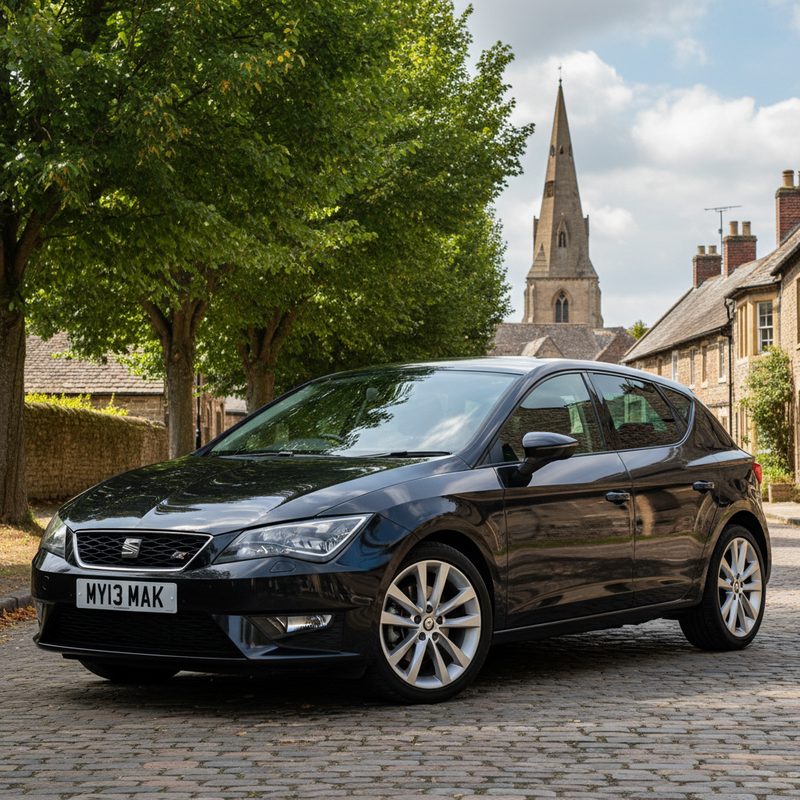
SEAT Leon Depreciation — Better Value Than a Golf
Discover how the SEAT Leon holds its value compared to rivals like the Golf, and learn tips to minimise depreciation.
Understanding SEAT Leon Depreciation
When considering a used car, understanding depreciation is crucial. The SEAT Leon, a popular hatchback, has garnered attention for its stylish design and performance. However, it’s essential to know how well it retains its value compared to competitors, particularly the Volkswagen Golf, which often overshadows it in the market.
Depreciation is the decline in a vehicle's value over time, and it can significantly affect your finances if you’re not careful. The SEAT Leon typically depreciates at a rate of around 50-60% over the first three years, which is fairly standard for cars in its class. However, when compared to the Golf, which can depreciate slightly less due to its brand prestige, the Leon often presents a better value proposition for buyers looking for a reliable and stylish hatchback.
Depreciation Curve for the SEAT Leon
The depreciation curve of the SEAT Leon is relatively predictable, following a familiar pattern for most hatchbacks. In the first year, you can expect the Leon to lose about 20-25% of its value. This steep drop is common across the board, as new cars lose value the moment they leave the showroom. After the first year, the depreciation rate slows down significantly.
If you are weighing up alternatives, our guide to Mercedes A-Class Depreciation covers similar ground from a different angle.
By the end of the second year, the Leon typically depreciates by around 40-45%. This means that if you buy a Leon that’s two years old, you’re likely getting a car that’s still in excellent condition but at a much lower price than a new model. By the end of the third year, the depreciation reaches about 50-60%, making it an attractive option for used car buyers.
For example, if a brand new SEAT Leon is priced at £25,000, you might find a three-year-old model for around £10,000 to £12,500. This makes the Leon a compelling choice for those looking for a balance of quality and affordability.
For more on this topic, take a look at our Volkswagen Tiguan Depreciation guide.
Sweet Spot Age — Best Year to Buy for Value
Finding the sweet spot for buying a used SEAT Leon can save you a significant amount of money. Generally, the best time to purchase is between two to three years old. At this age, the car has already undergone the steepest part of its depreciation curve, meaning you can get a great deal without sacrificing too much in terms of features and technology.
A two to three-year-old Leon often comes with the latest tech and safety features, which are increasingly important in today’s market. For instance, models from this age range typically include advanced infotainment systems, driver assistance features, and improved fuel efficiency.
You might also find our Volkswagen T-Roc Depreciation guide useful alongside this one.
Moreover, buying a Leon that’s around three years old often means it still has some manufacturer warranty left, providing peace of mind for buyers. You can expect to pay between £10,000 and £15,000 for a well-maintained model from this age range, depending on the trim and mileage. This price point represents excellent value compared to a new Golf, which would still be priced significantly higher even if it’s just a year older.
Which Variants/Specs Hold Value Best
Not all SEAT Leon variants depreciate at the same rate. Generally, higher-spec models tend to hold their value better than the base models. For example, the FR and Cupra trims, known for their sporty performance and additional features, often attract buyers willing to pay a premium. These models can retain around 10-15% more of their original value compared to the entry-level models.
We have covered related ground in our Vauxhall Astra Resale Value guide, which is worth reading if this subject interests you.
The engine choice also plays a role in value retention. Petrol models, particularly those with smaller engines, tend to be more popular in the used market, especially among younger buyers. Diesel variants, while generally more economical, have seen a decline in popularity due to changing regulations and the rise of electric vehicles. This shift means that petrol models, especially those with a good balance of performance and efficiency, are likely to depreciate less over time.
In terms of specific examples, a SEAT Leon FR with a 1.5 TSI engine might hold its value better than a base model with a 1.0 TSI engine, simply because of the added features and desirability. If you’re considering a used Leon, keep an eye out for these higher-spec models to maximise your investment.
You can check any car's full MOT history for free on GOV.UK before arranging a viewing.
Factors That Affect This Model's Resale Value
Several factors can influence the resale value of a SEAT Leon. Understanding these can help you make a more informed purchase and potentially save money in the long run.
- Mileage: As with any used car, mileage is a significant factor. A SEAT Leon with lower mileage will typically command a higher price. Aim for models with under 40,000 miles, as these are often seen as more desirable.
You can check the exact safety score for any model on the Euro NCAP website.
-
Condition: The overall condition of the car, including both mechanical and aesthetic aspects, plays a crucial role. A well-maintained Leon with a full service history will always be more appealing to buyers. Regular servicing and maintenance can help keep the car in top shape, which is vital for resale.
-
Market Demand: The demand for hatchbacks can fluctuate based on trends and economic factors. Currently, there’s a strong demand for practical yet stylish cars, which bodes well for the Leon’s resale value. However, keeping an eye on market trends can help you time your purchase better.
If things go wrong after purchase, Citizens Advice can help you understand your legal rights.
-
Modifications: While some modifications can enhance a car's appeal, others can detract from it. If you’re considering a Leon that has been modified, be cautious. Modifications can sometimes lead to insurance complications and may not appeal to all buyers.
-
Fuel Type: As mentioned earlier, petrol models are generally more sought after than diesel variants in the current market. This trend is likely to continue as more buyers shift towards hybrid and electric vehicles. A petrol Leon is likely to hold its value better than a diesel counterpart.
You can look up the exact insurance group for any car on Thatcham's website before getting quotes.
How to Minimise Depreciation When You Buy
Minimising depreciation is all about making smart choices when purchasing your SEAT Leon. Here are some practical tips to help you get the most value for your money:
-
Buy Used: The most effective way to minimise depreciation is to buy a used car rather than new. As discussed, the first few years are when a car loses the most value. By purchasing a model that’s two to three years old, you can avoid the steepest depreciation.
-
Choose the Right Trim: Opt for higher-spec models that are more desirable in the used market. As mentioned earlier, trims like the FR and Cupra hold their value better than base models.
-
Keep Mileage Low: If possible, try to keep your mileage down. This not only helps with fuel costs but also ensures your car retains its value. If you’re using the car for commuting, consider carpooling or using public transport occasionally.
-
Maintain the Car: Regular maintenance is key. Keeping up with service schedules and addressing any issues promptly can help keep your Leon in top condition, making it more appealing to future buyers.
-
Avoid Modifications: Unless you’re certain that a modification will enhance the car’s value, it’s best to keep your Leon as close to its original state as possible. This will appeal to a broader range of buyers when it comes time to sell.
Dave's Recommendation on Timing Your Purchase
Timing your purchase can make a significant difference in the price you pay for a SEAT Leon. The best time to buy is typically at the end of the month or quarter when dealerships are looking to meet sales targets. This can lead to better deals and more room for negotiation.
Additionally, consider shopping during the winter months when demand for used cars tends to dip. Many buyers are focused on purchasing new models during this time, which can lead to better prices on used vehicles.
Finally, keep an eye on the market for any seasonal trends. For example, if you notice a surge in demand for hatchbacks during the summer, it might be wise to hold off until the market cools down.
In conclusion, the SEAT Leon offers a compelling value proposition for those looking for a stylish and practical hatchback. By understanding its depreciation trends, knowing which variants hold their value best, and timing your purchase wisely, you can secure a great deal on a used model. Always remember to check any SEAT Leon's value with my free report to ensure you're making a smart investment. Happy car hunting!
For more insights on depreciation trends, you might find it useful to check out guides on other models like the Ford Focus or the Ford Fiesta.
Check SEAT Leon, instantly with Dave's free vehicle intelligence report.
Check any SEAT Leon's value with Dave's free report