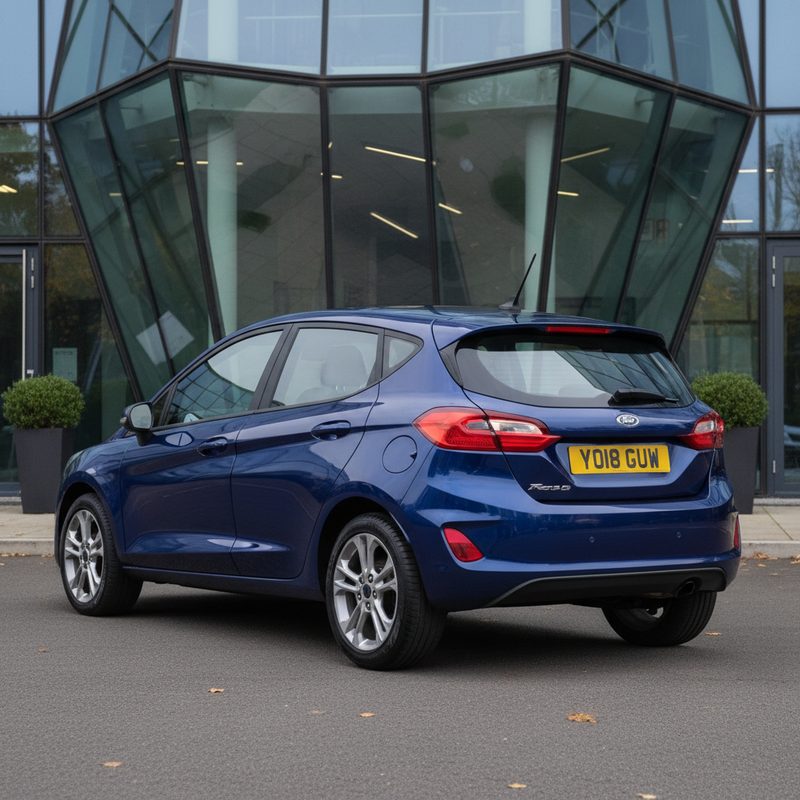
How Much Should I Offer for a 2018 Ford Fiesta
Learn how to effectively negotiate the price of a 2018 Ford Fiesta with our detailed guide covering market prices, negotiation strategies, and essential tips.
Understanding the Fair Market Price for a 2018 Ford Fiesta
When it comes to buying a used car, knowing the fair market price is your first step in negotiating a good deal. For a 2018 Ford Fiesta, prices can vary significantly based on factors like mileage, condition, and trim level. As of now, you can expect to pay between £10,000 and £15,000 for a well-maintained model.
The lower end of this range typically includes models with higher mileage or fewer features, while the higher end is reserved for low-mileage examples with additional options like a sunroof or upgraded infotainment systems. To get a more accurate idea of what you should be paying, check online marketplaces such as AutoTrader, Gumtree, or even local dealership listings.
Additionally, consider using valuation tools like Parkers or What Car? to get a more precise estimate based on the specific model and its condition. This research will give you a solid foundation for your negotiations, ensuring you’re not overpaying for your Fiesta.
Specific Leverage Points for Buyers
When negotiating for a used car, having leverage is crucial. Here are some specific points you can use to strengthen your position when discussing the price of a 2018 Ford Fiesta:
-
MOT History: A car's MOT history can reveal a lot about its condition. If you find that the Fiesta has had multiple advisories or failures, use this information to negotiate a lower price.
-
Service History: A full service history can be a double-edged sword. While it can justify a higher price, if the car has missed services or has inconsistent records, you can use this as leverage to push for a discount.
-
Market Comparisons: If you’ve done your homework and found similar models listed for less, use these comparisons to your advantage. Show the seller that you’re aware of the market and that their asking price is above average.
-
Mileage: Higher mileage can significantly affect a car's value. If the Fiesta you’re eyeing has more miles than average for its age, you can argue for a lower price based on potential wear and tear.
-
Condition: Be honest about the car's condition. If you notice any scratches, dents, or interior wear, use these as points of negotiation. A car that needs cosmetic work is worth less than one in pristine condition.
By leveraging these points, you can create a compelling case for why the seller should consider lowering their asking price.
An Actual Negotiation Script
Now, let’s get into a practical example of how you might conduct your negotiation. Imagine you’ve found a 2018 Ford Fiesta listed for £13,500. Here’s how a conversation might go:
You: "Hi there, I’m interested in the Fiesta you have listed for £13,500. I’ve done some research, and I’ve noticed similar models with lower mileage are going for around £12,500. Can we discuss the price?"
Seller: "Well, this one has a full service history and is in great condition. I think the price is fair."
You: "I appreciate that, but I also noticed that it has a few advisories on its MOT history, which makes me a bit concerned. Given that, would you consider lowering the price to £12,000?"
Seller: "I might be able to come down a little, but £12,000 is quite low. How about £12,800?"
You: "That’s a step in the right direction, but considering the mileage is higher than average for a 2018 model and the advisories, I think £12,500 is a fair offer. I’m ready to buy today if we can agree on that."
Seller: "Alright, let’s do it at £12,500 then!"
This script demonstrates how to use your research and findings to negotiate effectively. Remember, the key is to stay calm and respectful while making your case.
When to Walk Away
Knowing when to walk away is just as important as knowing how to negotiate. If the seller is unwilling to budge on their price despite your reasonable arguments, it might be time to consider other options. Here are a few signs that indicate it’s best to walk away:
-
Unrealistic Expectations: If the seller is firm on a price that is significantly above market value and shows no willingness to negotiate, it’s a red flag.
-
Lack of Transparency: If the seller is evasive about the car’s history, service records, or any issues, it’s a sign that they may be hiding something.
-
Pressure Tactics: If the seller is pressuring you to make a quick decision, it’s often a tactic to get you to overlook potential problems. Take your time and don’t feel rushed.
-
Multiple Issues: If the car has several issues that you’ve pointed out, and the seller refuses to acknowledge them or adjust the price accordingly, it’s a good idea to walk away.
Remember, there are plenty of other cars out there. Don’t settle for something that doesn’t meet your expectations or feels like a bad deal.
Common Dealer Tactics to Watch For
When you’re negotiating with a dealer, they often have a few tricks up their sleeves. Here are some common tactics to be aware of:
-
Lowball Offers: Dealers may start with a price that’s significantly higher than their bottom line, expecting you to negotiate down. Be prepared to counter with your research and a fair offer.
-
Emotional Appeals: Dealers might try to create an emotional connection, making you feel like you’re getting a unique deal. Stick to the facts and your research.
-
Add-Ons: Watch out for add-ons like extended warranties or paint protection that can inflate the price. Decide beforehand what extras you really need.
-
Time Pressure: They may pressure you to make a decision quickly, claiming there are other interested buyers. Don’t let this rush you; take your time to make an informed decision.
-
Trade-In Manipulation: If you’re trading in a car, dealers might undervalue it to offset the price of the car you’re buying. Get an independent valuation beforehand to ensure you’re getting a fair deal.
By being aware of these tactics, you can better prepare yourself for the negotiation process and avoid falling into common traps.
How MOT History Gives You Negotiation Ammo
The MOT history of a vehicle is a goldmine of information that can significantly impact your negotiation strategy. Here’s how you can use it:
-
Check for Advisories: If the MOT history shows multiple advisories, it indicates potential issues that may need addressing soon. Use this to argue for a lower price, as these issues could cost you money in the near future.
-
Failure Records: If the car has a history of MOT failures, this can be a red flag. It suggests that the vehicle may have underlying problems that could affect its reliability. Use this information to negotiate a better price.
-
Mileage Verification: The MOT history also provides mileage records, which can help you verify the seller’s claims. If the mileage seems inconsistent, it could indicate tampering or misrepresentation.
-
Regular Maintenance: On the flip side, if the MOT history shows consistent passes and no advisories, it can justify a higher price. However, if there are gaps in the history, this can be a point of negotiation.
By thoroughly checking the MOT history, you can arm yourself with the facts needed to negotiate confidently. It’s not just about the price; it’s about ensuring you’re making a sound investment.
Conclusion
Negotiating for a used car like the 2018 Ford Fiesta doesn’t have to be a daunting task. By understanding the fair market price, leveraging specific points, and being aware of common dealer tactics, you can confidently approach the negotiation process. Remember to do your homework, check the MOT history, and don’t be afraid to walk away if the deal doesn’t feel right. With these tips in your back pocket, you’ll be well-equipped to secure a great deal on your next car purchase. Happy negotiating!
And don’t forget, before you make any offers, consider getting a free vehicle check. This can provide you with invaluable information that can help you negotiate even better.
Good luck out there!
Check 2018 Ford Fiesta, instantly with Dave's free vehicle intelligence report.
Get a free vehicle check to find negotiation leverage on any Ford Fiesta