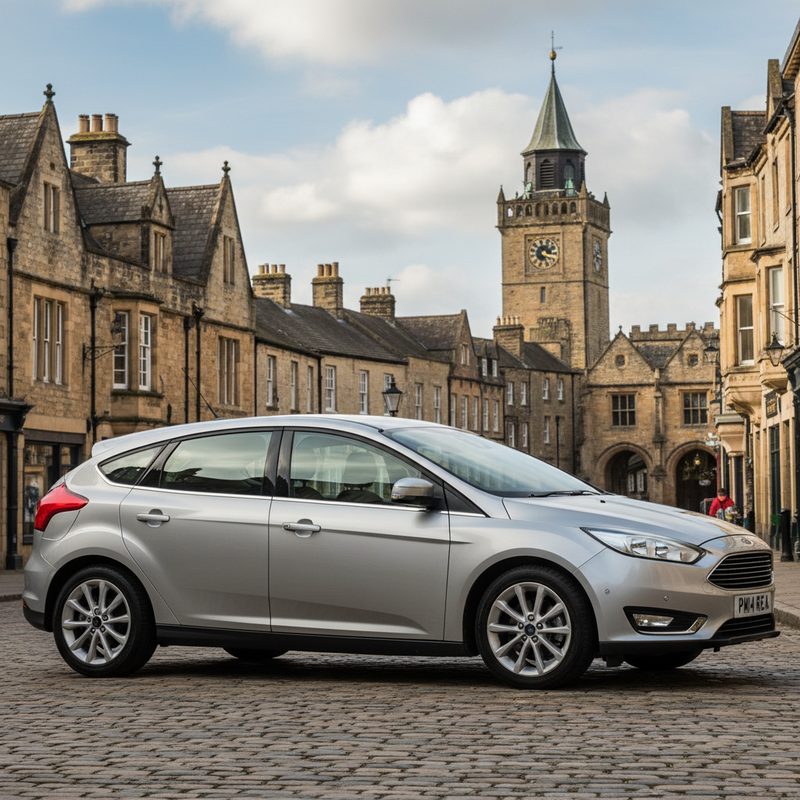
Ford Focus — What to Say to Get £500 Off
Master the art of negotiation with our guide on getting £500 off a Ford Focus. Discover effective strategies and insider tips to make your case.
Understanding the Ford Focus Market
The Ford Focus has long been a staple in the UK car market, known for its reliability, practicality, and decent driving experience. When it comes to negotiating a price, understanding the market is your first step. Currently, you can find used Ford Focus models ranging from around £7,000 for older models to upwards of £20,000 for newer variants. The price will depend on factors like mileage, condition, and the specific trim level.
For instance, a 2014 Ford Focus with around 100,000 miles typically sits around £8,000 to £10,000, while a 2019 model with lower mileage can command prices closer to £15,000. Knowing these figures helps you establish a fair market price range, which is crucial when you’re trying to negotiate a discount.
Fair Market Price Range for the Ford Focus
To effectively negotiate, you need to arm yourself with data. The fair market price for a used Ford Focus varies significantly based on its age, mileage, and condition. As a rule of thumb, you should expect to pay:
- Older Models (2014-2016): £7,000 - £10,000
- Mid-range Models (2017-2018): £10,000 - £15,000
- Newer Models (2019-2020): £15,000 - £20,000
These prices can fluctuate based on the seller's urgency to sell, the car's service history, and any modifications or extras that come with it. Always check platforms like AutoTrader to compare prices and get a sense of what similar models are going for.
Specific Leverage Points Buyers Can Use
When negotiating, it’s not just about the price; it’s about the leverage you have. Here are some effective points you can use to negotiate that elusive £500 discount:
-
MOT History: Always check the MOT history of the vehicle. If there are any advisories or failures, you can use these as bargaining chips. For example, if the car has a history of needing repairs, you can argue that you’ll need to set aside money for future maintenance.
-
Market Comparisons: Bring up prices of similar models in the area. If you find a comparable Ford Focus listed for £500 less, use this to your advantage. Say something like, "I’ve seen similar models priced lower; can we adjust the price to be more competitive?"
-
Mileage Concerns: If the car has higher mileage than average for its age, this can be a significant point. A Ford Focus at 100k miles might be a great deal, but it also means more wear and tear. Use this to negotiate a lower price, especially if you can reference guides like Ford Focus at 100k Miles — What Breaks and What to Budget.
-
Service History: A full service history is a plus, but if the car lacks documentation for regular maintenance, it’s a red flag. Use this to negotiate down, saying, "Without a complete service history, I’m concerned about potential issues down the line."
-
Timing: If you’re shopping at the end of the month, dealers may be more willing to negotiate to hit their sales targets. Use this to your advantage by saying, "I know you’re keen to close a few sales this month; let’s make a deal."
An Actual Negotiation Script
To give you a clearer picture, here’s a sample dialogue you might have with a dealer:
You: "Thanks for showing me the Ford Focus. I’ve done some research and noticed that similar models are listed for around £500 less. Can we discuss the price?"
Dealer: "This model is in great condition and has low mileage. It’s priced fairly."
You: "I understand, but I noticed it has a few advisories on the MOT history. Given that, I think a price adjustment is reasonable."
Dealer: "Those advisories were minor, and we’ve addressed them."
You: "That’s good to hear, but without a full service history, I’m concerned about future costs. I’d feel more comfortable at £500 less."
Dealer: "Let me see what I can do."
This script shows how to approach the conversation with confidence and knowledge. Remember, the key is to remain polite yet assertive.
When to Walk Away
Knowing when to walk away is just as important as knowing when to negotiate. If the dealer isn’t willing to budge on price, or if you feel pressured into a deal that doesn’t sit right with you, it’s perfectly acceptable to walk away. Here are some signs it might be time to leave:
- Unwillingness to Negotiate: If the dealer is firm on the price without any valid reasoning, it’s a red flag.
- High Pressure Tactics: If they’re pushing you to make a decision quickly, it’s often a sign they’re trying to rush you into a bad deal.
- Lack of Transparency: If they’re not forthcoming with information about the car’s history or condition, it’s best to look elsewhere.
Common Dealer Tactics to Watch For
Dealers can be crafty, and knowing their tactics can save you a lot of money. Here are some common strategies to be aware of:
-
The Trade-In Trap: They might offer you a great price on your trade-in but then inflate the price of the car you want to buy. Always negotiate the purchase price of the new car separately from your trade-in.
-
Monthly Payment Focus: Dealers may try to steer the conversation towards what you can afford monthly rather than the total price of the car. Stick to discussing the overall price to avoid getting trapped in a long-term, expensive deal.
-
Limited Time Offers: They might say the deal is only available for a short time to pressure you into making a quick decision. Don’t fall for it; take your time to consider your options.
-
Add-Ons and Extras: Be cautious of add-ons like extended warranties or paint protection that can quickly inflate the price. Know what you want and what you don’t need.
How MOT History Gives You Negotiation Ammo
The MOT history of a Ford Focus can be a goldmine when it comes to negotiations. By checking the GOV.UK MOT history, you can uncover any past issues that may not be immediately visible. Here’s how to use this information effectively:
- Identify Patterns: If the car has a history of failing its MOT for similar issues, you can argue that these problems may resurface, justifying a lower price.
- Leverage Advisories: If there are advisories on the MOT, use these as points of concern. For example, if the brakes were flagged, you could say, "I’ll need to budget for new brakes soon, so I think a price reduction is warranted."
- Show Due Diligence: By doing your homework and presenting the MOT history to the dealer, you show that you’re a knowledgeable buyer. This can often lead to them being more willing to negotiate.
Conclusion
Negotiating the price of a used Ford Focus doesn’t have to be a daunting task. With the right knowledge and strategies, you can confidently ask for that £500 discount. Remember to arm yourself with data about the market, leverage points like MOT history, and stay aware of common dealer tactics. If you feel uncertain, don’t hesitate to use tools like Vehicle Intelligence to build your negotiation case.
At the end of the day, buying a car should be a positive experience, not a stressful one. So, get out there, do your research, and don’t be afraid to negotiate. You’ve got this!
Check Ford Focus, instantly with Dave's free vehicle intelligence report.
Use Dave to build your negotiation case