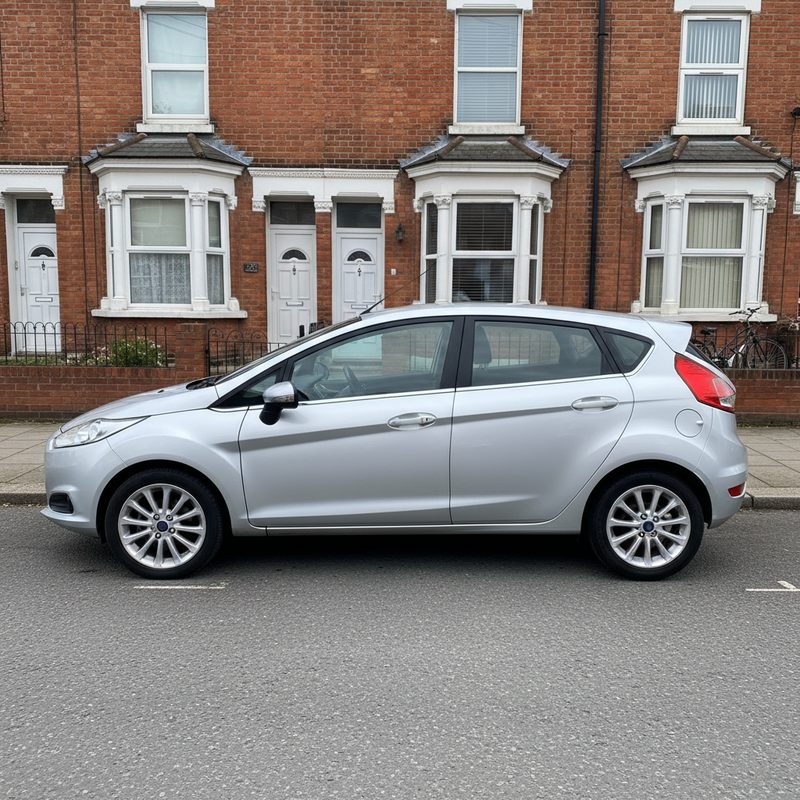
Used Ford Fiesta with 75k Miles — Worth the Risk?
A 75k-mile Fiesta sits at an interesting crossroads. Some parts are starting to show their age, but the fundamentals should still be solid if the car has been properly maintained.
What to Expect from a Ford Fiesta at 75,000 Miles
So you have found a Ford Fiesta with 75,000 miles on it and you are wondering whether to take the plunge. Fair enough -- it is a reasonable question. At 75k, a Fiesta is entering what I call the "middle age" zone. It is not old by any stretch, but things are starting to wear. The good news is that Fiestas are fundamentally tough little cars, and 75,000 miles is well within their comfort zone.
The key at this mileage is condition over numbers. I have seen 75k Fiestas that look and drive like they have done 30k, and I have seen others that feel like they have been round the clock twice. The difference almost always comes down to how the car has been treated. Regular servicing, sensible driving, and a bit of care go a long way with these motors.
At 75,000 miles, you should expect the car to feel settled. The engine will have loosened up nicely, the ride might feel a touch softer than new, and there will likely be some wear visible in the cabin -- scuffed seats, a shiny steering wheel, maybe some scratches on the centre console. None of that matters much. What matters is what is going on underneath.
Components That Typically Need Attention at 75k Miles
This is where 75k gets interesting on a Fiesta. Several components are reaching the end of their natural lifespan.
Clutch and Flywheel
On manual Fiestas, the clutch is a key concern at 75,000 miles. If the car has lived its life in town, there is a real chance the clutch is getting tired. You will feel it as a high biting point, a slight slip under hard acceleration in higher gears, or a judder when pulling away. On diesel models with a dual-mass flywheel, this is a particularly expensive job -- expect £700-£1,000 for a clutch and flywheel replacement. Petrol models are cheaper at around £400-£600. Test it thoroughly on your test drive.
Water Pump and Thermostat
On the 1.0 EcoBoost engine, the water pump and thermostat housing can develop leaks around 60,000-80,000 miles. Look for coolant residue around the front of the engine and check the coolant level is where it should be. A water pump replacement runs about £250-£350. This is not a catastrophic failure, but if it goes unnoticed and the engine overheats, you are looking at a much bigger bill.
Rear Wheel Bearings
Fiestas are notorious for rear wheel bearing wear. By 75k, there is a good chance at least one rear bearing is making itself known. You will hear a droning noise that gets louder with speed and changes pitch when you turn. Budget around £150-£200 per side to have them replaced.
Suspension Components
At 75,000 miles, the front shock absorbers might be getting soft. The Fiesta's excellent handling relies on decent shocks, so if the car feels wallowy or bouncy over undulations, factor in a replacement. A pair of front shocks fitted will cost around £200-£300. The anti-roll bar drop links and bushes will almost certainly need doing at this mileage too -- add another £60-£100 for those.
Ignition Coils and Spark Plugs
On the 1.0 EcoBoost, the ignition coils can fail around this mileage. Symptoms include misfires, rough idling, and the engine management light coming on. Spark plugs should be changed every 37,500 miles according to Ford, so at 75k they should have been done twice. If there is no record of spark plug changes, budget £80-£120 for a set.
If you are considering a Ford, you should also read our How Much to Offer on a Used Ford Focus guide for the full picture.
Is the Price Right at 75,000 Miles?
At 75k, Fiesta prices start to soften noticeably compared to lower-mileage examples. A 2017 Fiesta 1.0 EcoBoost Zetec with 75,000 miles will typically be priced around £7,000-£9,000 at a dealer, or £6,000-£7,500 privately. That is a significant saving over a 50k example.
The question is whether the saving is enough to cover potential repairs. If the clutch needs doing, that wipes out a big chunk of your saving. My rule of thumb at 75k is this: if the car has a full service history, good MOTs, and drives well, the lower price represents genuine value. If it has gaps in its history or feels tired on the test drive, the lower price is just reflecting the problems you are about to inherit.
Do not be afraid to negotiate hard at this mileage. Dealers know that 75k puts some buyers off, so use that to your advantage. Point out any advisories on the MOT, any upcoming service items, and any wear you have spotted. A reasonable dealer will work with you.
Red Flags in the MOT history at This Mileage
At 75,000 miles, a Fiesta should have several years of MOT history to examine. This is incredibly valuable.
Pattern Recognition
Look at the pattern of advisories over multiple years. A car that consistently picks up suspension advisories might have been driven hard or spent its life on poor roads. One that repeatedly gets brake advisories might have a lazy owner who waits until the MOT to do maintenance. Neither is ideal, but a pattern of neglect is worse than a pattern of hard use.
Specific Warnings
- Corrosion on brake pipes -- At 75k, this should not be an issue on newer Fiestas, but on older Mk7s it can start to appear. Corroded brake pipes are a safety issue and an MOT failure waiting to happen.
- Play in steering rack -- If the MOT mentions any steering rack play, get it checked by a specialist. This is an expensive repair on a Fiesta.
- Emissions marginally passing -- On petrol models, this can indicate a failing catalytic converter. On diesels, it points to DPF or EGR problems. Both are costly.
- Oil leaks -- Any mention of oil leaks at 75k is worth investigating. On the EcoBoost engine, valve cover gaskets can start weeping around this mileage.
Mileage Consistency
At 75k, there should be enough MOT entries to establish a clear pattern. Average UK mileage is around 7,000-8,000 miles per year. A Fiesta that has done consistent annual mileage is far more trustworthy than one with wildly varying figures. Sudden drops in annual mileage can indicate clocking, while big jumps might suggest the car changed hands between city and motorway drivers.
What the Powerplant Tell You at This Mileage
The engine choice matters a lot at 75,000 miles. Here is how each Fiesta engine tends to fare.
1.0 EcoBoost (100hp/125hp/140hp)
Generally strong at 75k, but check for the coolant issues mentioned earlier and listen for timing belt noise. The belt should be changed at 125,000 miles or 10 years, so it should still be original and fine. Oil consumption can increase slightly at this mileage -- check the dipstick and look for blue smoke on startup.
1.25/1.4/1.6 Duratec (Mk7)
These older naturally aspirated engines are virtually bulletproof. At 75k they are barely broken in. The main issue is the 1.6 Ti-VCT's tendency to develop a rattle from the variable valve timing system, but this is usually cosmetic rather than terminal.
1.4/1.5/1.6 TDCi Diesel
Diesels at 75k need careful checking. The DPF should still be functioning but might be on its way out if the car has done lots of short trips. Injector issues can start to appear around this mileage too. Check for rough idling and excessive smoke.
Dave's Verdict -- Worth the Risk or Walk Away?
A Ford Fiesta at 75,000 miles? Yes, I would still buy one, but with my eyes wide open. This is the mileage where you need to be thorough. The car can still give you years of reliable service, but only if it has been maintained and only if you are prepared to address the wear items that are due.
My checklist at 75k would be: full service history (non-negotiable), consistent MOT mileage, no clutch judder, no bearing noise, and no coolant issues on EcoBoost models. If all those boxes are ticked, you have got yourself a bargain. If more than one of them is a problem, negotiate hard or walk away.
Before you hand over any cash, get the car checked through Dave's vehicle check. At this mileage, the MOT history is absolutely critical, and you need to see every single entry. My check will show you the complete picture -- mileage history, any write-off markers, outstanding finance, and every MOT advisory the car has ever had. Do not buy blind at 75,000 miles. The information is there -- you just need to look at it.
Check Ford Fiesta, instantly with Dave's free vehicle intelligence report.
Check the MOT mileage history with Dave