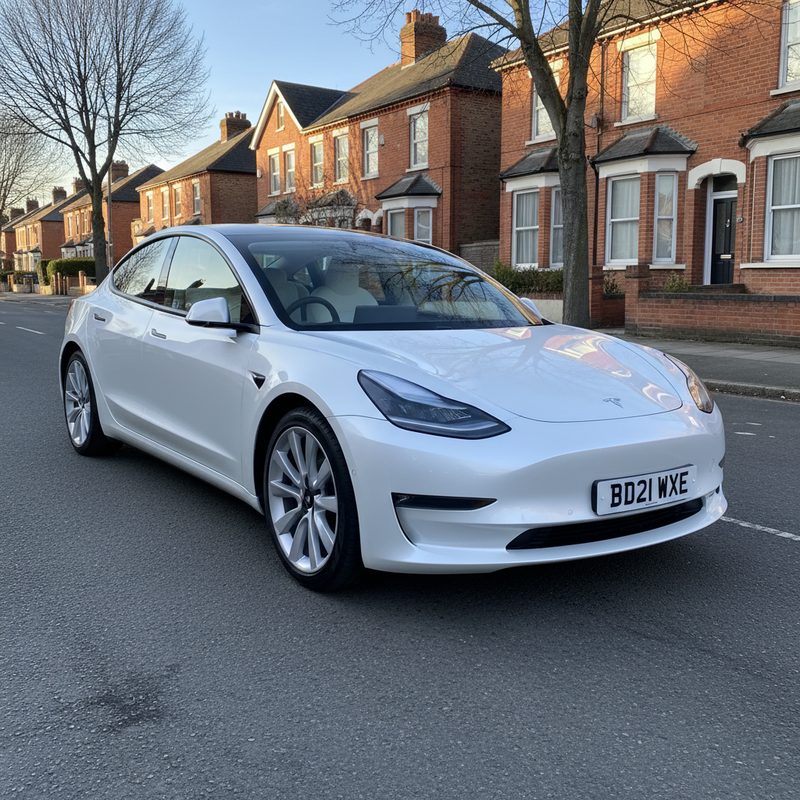
Tesla Model 3 Depreciation: Do EVs Hold Value
Learn about the depreciation of the Tesla Model 3, how it holds its value, and tips for minimising losses when buying used.
Understanding the Depreciation Curve for the Tesla Model 3
Depreciation is a crucial factor to consider when buying any used car, and electric vehicles (EVs) like the Tesla Model 3 are no exception. The depreciation curve for the Model 3 has been relatively stable compared to traditional combustion engine vehicles, primarily due to its popularity and the growing acceptance of EVs in the market.
Typically, new cars lose about 15-20% of their value in the first year alone, but the Model 3 has shown a more gradual depreciation pattern. On average, you might expect the Model 3 to depreciate around 10-15% in its first year, followed by a slower decline of about 5-10% per year thereafter. This means that after three years, you could see a Model 3 retaining around 70-75% of its original value, which is impressive compared to many petrol or diesel vehicles.
For instance, a brand new Tesla Model 3 priced at around £40,000 might be worth approximately £30,000 after three years. This is a significant advantage for buyers looking for a used EV, as it suggests that the Model 3 holds its value better than many competitors. Factors contributing to this include its strong brand reputation, advanced technology, and the growing demand for electric vehicles as more people become environmentally conscious.
Sweet Spot Age: Best Year to Buy for Value
When it comes to finding the best value for your money, the sweet spot for purchasing a used Tesla Model 3 is typically around the three to four-year mark. At this age, the car has already undergone the most significant depreciation, yet it still offers many of the benefits of a newer model, such as the latest software updates and features.
If you are weighing up alternatives, our guide to Ford Focus covers similar ground from a different angle.
Buying a Model 3 that is three to four years old means you can often find a well-maintained vehicle with a good battery life and a decent warranty remaining. Tesla’s warranty for the Model 3 includes an 8-year or 100,000-mile battery and drive unit warranty, which provides peace of mind for buyers. This means that even if you buy a used Model 3, you can still enjoy the benefits of Tesla’s commitment to quality and reliability.
In the current market, you might find a three-year-old Model 3 priced between £28,000 and £32,000, depending on the trim and mileage. This price point is significantly lower than a new model, allowing you to enjoy the Tesla experience without breaking the bank. Additionally, as the EV market continues to grow, the demand for used Teslas is likely to remain strong, further supporting their resale value.
Which Variants/Specs Hold Value Best
Not all Tesla Model 3 variants depreciate at the same rate. Generally, the Long Range and Performance models tend to hold their value better than the Standard Range Plus variant. This is largely due to their enhanced features, longer range, and superior performance, which appeal to a broader audience.
For more on this topic, take a look at our Vauxhall Astra Depreciation guide.
For example, the Long Range model, with its impressive range of over 350 miles, is particularly attractive to buyers who want to minimise range anxiety. This variant typically retains around 75-80% of its value after three years, compared to the Standard Range Plus, which might hold closer to 70-75%. The Performance model, with its sporty features and acceleration, also commands a premium in the used market, making it a solid choice for those looking to invest in a Model 3.
Another factor to consider is the colour and interior options. While Tesla offers a range of colours, the more popular shades like white, black, and blue tend to sell better and hold value longer. Unique colours or less common interior options may not appeal to the mass market, which can affect resale value. If you're considering a used Model 3, keep these factors in mind to ensure you're making a sound investment.
Factors That Affect the Model 3's Resale Value
Several factors can impact the resale value of a Tesla Model 3. Understanding these can help you make a more informed purchase decision.
You might also find our Nissan Qashqai Depreciation guide useful alongside this one.
-
Mileage: Like any vehicle, mileage plays a significant role in depreciation. Lower mileage generally equates to higher resale value. A Model 3 with less than 30,000 miles is likely to fetch a better price than one with over 50,000 miles.
-
Condition: The overall condition of the vehicle, including its exterior, interior, and mechanical components, will affect its value. A well-maintained Model 3 with a clean history will always be more appealing to buyers.
-
Service History: Regular servicing and maintenance records can enhance a Model 3's resale value. Buyers often look for cars that have been well cared for, so having a complete service history can be a strong selling point.
We have covered related ground in our Best Age to Buy an Audi A4 for Value guide, which is worth reading if this subject interests you.
-
Market Demand: The demand for electric vehicles is on the rise, and this trend is expected to continue. As more people seek to transition to EVs, the resale value of the Model 3 is likely to remain robust. Keeping an eye on market trends can help you gauge when to buy or sell.
-
Battery Health: The health of the battery is crucial for any EV. Tesla provides a battery health report, which can give potential buyers an idea of how much capacity the battery retains. A well-maintained battery can significantly enhance resale value.
How to Minimise Depreciation When You Buy
If you're planning to buy a used Tesla Model 3, there are several strategies you can employ to minimise depreciation and maximise your investment.
You can check any car's full MOT history for free on GOV.UK before arranging a viewing.
-
Choose the Right Variant: As mentioned earlier, opting for a Long Range or Performance model can help retain value better than the Standard Range Plus. Consider your needs and choose a variant that appeals to a wider audience.
-
Buy at the Right Time: Timing your purchase can also impact depreciation. Buying a used Model 3 during the winter months or when new models are released can lead to better deals, as demand may be lower.
-
Maintain the Vehicle: Keeping the Model 3 in excellent condition will help preserve its value. Regular servicing, cleaning, and addressing any minor issues promptly can go a long way in maintaining its appeal.
-
Keep Mileage Low: If possible, try to limit the mileage on your Model 3. This can be challenging, but if you can use public transport or carpool for shorter trips, it can help keep your vehicle's value higher.
-
Consider Leasing: If you’re worried about depreciation, leasing a Model 3 instead of buying can be a smart move. This way, you can enjoy the benefits of driving a new car without the long-term commitment and depreciation concerns.
Timing Your Purchase: Dave's Recommendation
When it comes to timing your purchase of a used Tesla Model 3, I recommend keeping an eye on market trends and seasonal fluctuations. Generally, the best time to buy is during the winter months, particularly around December and January. Many people are focused on the holidays, and dealerships may be more willing to negotiate on price to clear out inventory.
Additionally, consider looking for models that are nearing the end of their warranty period. As the warranty approaches its expiry, sellers may be more motivated to sell, giving you the opportunity to snag a great deal.
Another tip is to watch for new model releases. When Tesla announces a new version or significant updates to the Model 3, it can create a ripple effect in the used market, causing prices of older models to drop. This can be an excellent opportunity to buy a well-maintained used Model 3 at a lower price.
If things go wrong after purchase, Citizens Advice can help you understand your legal rights.
Lastly, always do your homework. Use tools like the DVLA vehicle check to verify the history of any used Model 3 you’re considering. This can help you avoid potential pitfalls and ensure you’re making a sound investment.
Conclusion
In summary, the Tesla Model 3 has proven to be a solid investment in terms of depreciation and resale value. With its gradual depreciation curve, strong demand, and various factors that contribute to its value retention, it’s an appealing option for those looking to buy used. By understanding the sweet spot age, which variants hold value best, and how to minimise depreciation, you can make a more informed decision when purchasing a Model 3.
If you’re considering buying a used Tesla Model 3, I encourage you to check its value with my free report. It’s a great way to ensure you’re getting a fair deal and making a smart investment in your next vehicle. Happy car hunting!