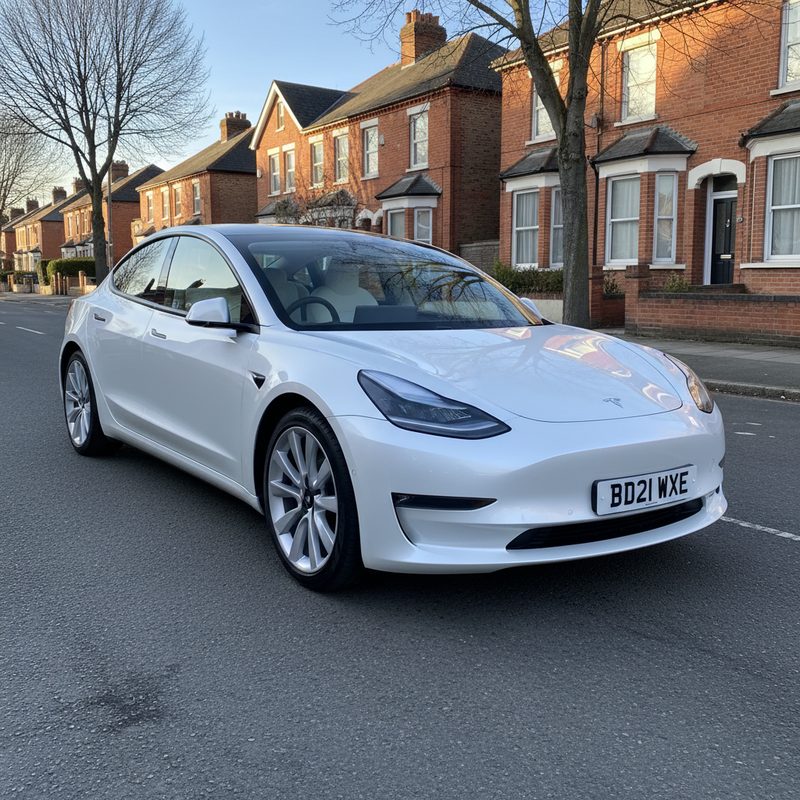
Tesla Model 3 Running Costs UK — Electric Car Ownership
Discover the comprehensive running costs of owning a Tesla Model 3 in the UK, from insurance to servicing, and learn how to save money on your electric vehicle.
Introduction to Tesla Model 3 Ownership Costs
The Tesla Model 3 has become a household name in the realm of electric vehicles, and for good reason. With its impressive range, cutting-edge technology, and sleek design, it’s no wonder many UK drivers are considering making the switch. But how much does it really cost to own one? In this guide, we’ll break down the insurance to servicing, we’ll cover every aspect of ownership, ensuring you’re well-prepared for the journey ahead. So, buckle up and let’s dive into the numbers!
If you are weighing up alternatives, our guide to Toyota RAV4 Hybrid Running Costs covers similar ground from a different angle.
Total Annual Cost Estimate Breakdown
Let’s start by painting a realistic picture of what you can expect to spend annually as a typical UK driver covering around 10,000 miles a year in a Tesla Model 3. The total running costs can be broken down into several key categories: insurance, fuel, servicing, and maintenance.
For more on this topic, take a look at our How Much Does It Cost to Run an Audi A4 guide.
Insurance Costs
Insurance for a Tesla Model 3 can vary significantly based on factors such as your age, driving history, and location. Generally, the Model 3 falls into insurance groups 36 to 48, depending on the specific variant you choose. For instance, younger drivers (under 25) might see annual premiums ranging from £1,200 to £2,000, while drivers in their 30s could expect to pay between £600 and £1,000. Older drivers often benefit from lower premiums, with costs potentially dropping to around £400 to £800.
Fuel Costs
Next up, let’s talk about fuel costs. While electric vehicles like the Tesla Model 3 don’t require petrol or diesel, they do need charging. The average cost of electricity in the UK is around £0.34 per kWh. The Model 3 has an efficiency of approximately 4 miles per kWh, meaning you can expect to spend around £850 annually on charging if you drive 10,000 miles. This is a significant saving compared to petrol or diesel vehicles, which can easily cost over £1,500 a year in fuel.
Servicing and Maintenance
Servicing is another important aspect to consider. Tesla recommends a service every 12,500 miles or once a year, whichever comes first. A minor service typically costs around £200, while a major service can set you back about £400. However, many Tesla owners report lower maintenance costs compared to traditional vehicles, thanks to fewer moving parts and no need for oil changes.
Total Annual Cost Summary
When you add these costs together, you’re looking at an estimated total annual cost of around £2,500 to £3,000 for a Tesla Model 3, depending on your insurance premium and charging habits. This figure can fluctuate based on individual circumstances, but it gives a solid foundation for understanding the financial commitment involved in owning a Model 3.
Insurance Breakdown
Insurance is often one of the most significant ongoing costs for any car owner, and the Tesla Model 3 is no exception. As mentioned earlier, the insurance group for the Model 3 varies, which can lead to a wide range of premiums.
You might also find our Honda Civic Annual Running Costs UK guide useful alongside this one.
Typical Insurance Groups
The Model 3 is categorised into different insurance groups based on its variant. For example, the Standard Range Plus is generally in group 36, while the Performance model can be as high as group 48. This means that the Performance model will typically cost more to insure than the Standard Range Plus.
Age Bracket Costs
To give you a clearer picture, let’s break down the typical annual insurance costs by age bracket:
- Under 25: £1,200 to £2,000
- 25 to 35: £600 to £1,000
- 35 to 50: £400 to £800
- Over 50: £300 to £600
Tips to Reduce Premiums
To keep your insurance costs down, consider the following tips:
- Increase your excess: Opting for a higher voluntary excess can lower your premium.
- Telematics insurance: Some insurers offer discounts for drivers who agree to have their driving monitored.
- Multi-car policies: If you have multiple vehicles, consider a multi-car policy for potential savings.
- Secure parking: If you can park your Model 3 in a garage, this can also reduce your premium.
Fuel Costs: Charging Your Tesla Model 3
One of the most appealing aspects of owning an electric vehicle like the Tesla Model 3 is the cost savings associated with charging compared to traditional fuel. However, it’s essential to understand how charging works and what it will cost you.
We have covered related ground in our VW Polo Running Costs guide, which is worth reading if this subject interests you.
Real-World MPG vs. Manufacturer Claims
While electric vehicles don’t have fuel economy ratings like petrol or diesel cars, they do have an efficiency rating measured in miles per kWh. The Tesla Model 3 typically achieves around 4 miles per kWh, which is quite impressive. In comparison, many petrol cars average around 40-50 MPG, which can be misleading when you consider the cost per mile.
Annual Charging Costs
Assuming you drive 10,000 miles a year, you’ll need approximately 2,500 kWh of electricity. At an average cost of £0.34 per kWh, your annual charging cost would be around £850. This is a stark contrast to petrol vehicles, where you might spend upwards of £1,500 annually on fuel.
Driving Style Impact
Your driving style can also significantly impact your charging costs. Aggressive acceleration and high speeds can reduce efficiency, while smoother driving can help maximise your range. Additionally, using regenerative braking can help recover energy, further extending your range and reducing costs.
Servicing: Keeping Your Model 3 in Top Shape
Servicing is a crucial aspect of vehicle ownership, and the Tesla Model 3 is designed to require less maintenance than traditional cars. However, regular servicing is still necessary to keep your vehicle in optimal condition.
You can check any car's full MOT history for free on GOV.UK before arranging a viewing.
Full Service Schedule
Tesla recommends a service every 12,500 miles or once a year. During a minor service, you can expect the following:
- Brake fluid replacement
- Cabin air filter replacement
- Tyre rotation
A major service, typically performed every 25,000 miles, includes all of the above plus:
- High-efficiency particulate air (HEPA) filter replacement
- Brake pad inspection
If things go wrong after purchase, Citizens Advice can help you understand your legal rights.
Cost Comparison: Dealer vs. Independent Garage
Servicing costs can vary widely depending on whether you choose a Tesla dealership or an independent garage. A minor service at a Tesla dealership might cost around £200, while an independent garage may charge slightly less. Major services can range from £400 at a dealership to around £300 at an independent garage.
DIY Savings
If you’re handy with tools, you might consider performing some basic maintenance yourself. Changing the cabin air filter or rotating the tyres can save you money and is relatively straightforward. Just be sure to keep records of any work done to maintain your warranty.
Common Repair Costs
While electric vehicles are generally more reliable than their petrol counterparts, repairs can still arise. Understanding common repair costs can help you budget effectively.
You can look up the exact insurance group for any car on Thatcham's website before getting quotes.
Brake Repairs
Due to regenerative braking, Tesla Model 3 owners often find that brake wear is significantly reduced. However, when repairs are needed, you might expect to pay around £300 to £500 for a complete brake pad and disc replacement.
Tyres
Tyre replacement costs can vary based on the brand and type you choose, but expect to pay around £100 to £200 per tyre. Given the Model 3’s weight and performance, you may need to replace tyres every 25,000 to 30,000 miles.
Suspension and Clutch
Suspension repairs can be costly, averaging around £400 to £800, depending on the extent of the damage. The Model 3 doesn’t have a traditional clutch, but if you experience issues with the electric motor, repairs can range from £1,000 to £3,000.
Timing Belt/Chain
Electric vehicles like the Model 3 don’t have timing belts or chains, which is a significant advantage. This eliminates a common maintenance cost found in traditional petrol vehicles, saving you money in the long run.
Wear Items and Consumables
Every vehicle has wear items that need regular replacement, and the Tesla Model 3 is no different. Understanding these can help you plan your budget effectively.
Regular Replacements
- Brake pads: As mentioned, expect to replace these every 25,000 to 30,000 miles, costing around £300 to £500.
- Tyres: Depending on your driving style, you may need to replace tyres every 25,000 to 30,000 miles, costing £400 to £800 for a full set.
- Cabin air filter: This should be replaced every 12,500 miles, costing around £30 to £50.
- High-efficiency particulate air (HEPA) filter: Recommended every 25,000 miles, costing about £50 to £100.
Cost Comparison with Rivals
When considering the Tesla Model 3, it’s essential to compare its running costs with rival vehicles in the electric and hybrid market. Let’s take a look at how it stacks up against a few competitors.
Nissan Leaf
The Nissan Leaf is one of the most popular electric vehicles in the UK. While it has a lower purchase price, its insurance group is similar, and running costs are comparable. However, the Leaf’s range is less than the Model 3, which could impact long-distance travel.
Hyundai Kona Electric
The Hyundai Kona Electric offers a competitive range and is often priced similarly to the Model 3. However, servicing costs can be slightly higher due to more complex components, making the Model 3 a more cost-effective choice in the long run.
BMW i3
The BMW i3 is another contender, but its higher servicing and repair costs can make the Tesla Model 3 a more appealing option for budget-conscious buyers. The i3’s smaller battery capacity also means more frequent charging, which can add to overall costs.
Dave's Money-Saving Tips
Owning a Tesla Model 3 can be a financially savvy choice, but there are always ways to save even more. Here are some actionable tips to help you reduce your running costs:
- Take Advantage of Home Charging: If you have the option, install a home charging point. This can significantly reduce your charging costs compared to using public chargers.
- Use Off-Peak Charging: Charging your vehicle during off-peak hours can save you money, as many energy providers offer lower rates during these times.
- Monitor Your Driving Style: Adopting a smoother driving style can improve your efficiency, extending your range and reducing your charging costs.
- Join a Tesla Owners Club: Many local clubs offer discounts on services and parts, which can help you save on maintenance costs.
- Keep an Eye on Tyre Pressure: Maintaining the correct tyre pressure can improve efficiency, saving you money on charging and extending tyre life.
Conclusion
Owning a Tesla Model 3 is not just about the initial purchase price; it’s about understanding the ongoing costs associated with electric vehicle ownership. From insurance to servicing, the Model 3 offers a compelling case for those looking to make the switch to electric. With lower running costs than many traditional petrol vehicles, it’s an investment that can pay off in the long run.
If you’re considering a Tesla Model 3, don’t forget to check any specific vehicle with Dave's free vehicle intelligence report. This tool can provide you with crucial insights into the car’s history, helping you make a smarter buying decision. Happy driving!
Check Tesla Model 3, instantly with Dave's free vehicle intelligence report.
Check any Tesla Model 3 with Dave's free vehicle intelligence report