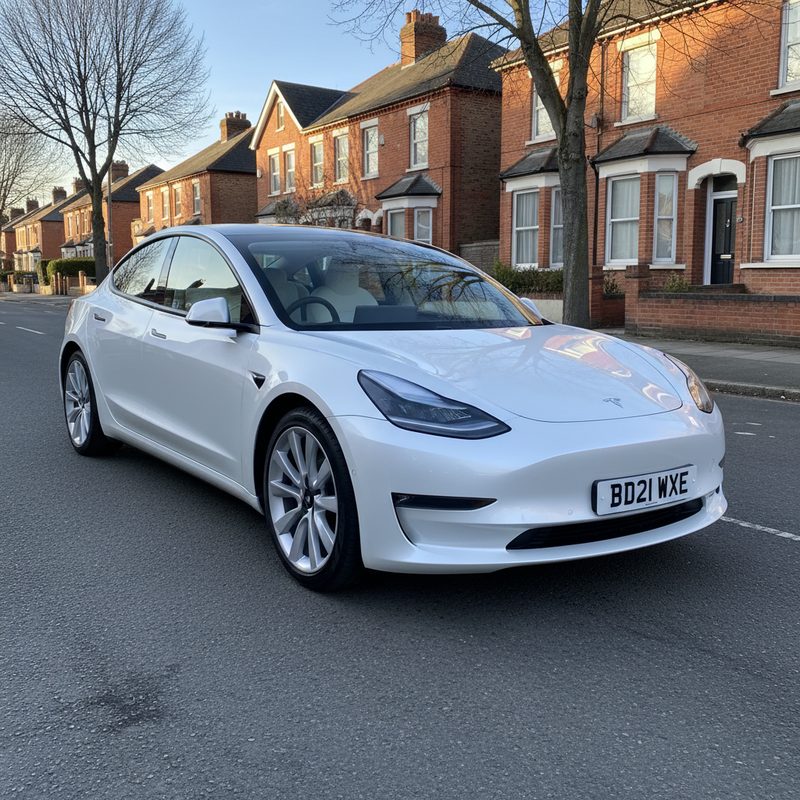
Tesla Model 3 Common Problems: What Goes Wrong
Discover the common problems associated with the Tesla Model 3, including battery health, software issues, and more, to make an informed purchase.
Introduction
The Tesla Model 3 has taken the electric vehicle (EV) market by storm, offering a blend of performance, technology, and sustainability that many drivers crave. However, like any car, it’s not without its quirks and potential problems. If you're considering buying a used Model 3, understanding these common issues can save you a lot of headaches down the line. So, what goes wrong with the Model 3? Let’s dive into the details.
Battery Health: What to Check and Expect
One of the most critical components of any electric vehicle is its battery. The Tesla Model 3 features a lithium-ion battery pack, which is known for its longevity but can still experience degradation over time. When assessing a used Model 3, you should pay close attention to the battery health.
What to Look For
Battery health can be evaluated through a few key indicators:
-
State of Charge (SoC): This refers to the current charge level of the battery. A healthy battery should ideally retain around 70-80% of its original capacity after several years of use. If the SoC is significantly lower, it may indicate that the battery has degraded more than expected.
-
Battery Management System (BMS) Alerts: The Model 3 is equipped with a sophisticated BMS that monitors battery performance. If the previous owner experienced any alerts or warnings regarding battery health, it's essential to investigate those further. You can check the vehicle's history through the DVLA vehicle check to see if any issues were reported.
-
Supercharging History: Frequent use of Superchargers can accelerate battery degradation. If the car has been primarily charged at Superchargers, it may have experienced more wear and tear than one that was charged at home.
If you are weighing up alternatives, our guide to Best Used Electric Cars Under £25,000 UK 2025 covers similar ground from a different angle.
What to Expect
In the current market, you can expect a used Model 3 with a battery that has been well-maintained to offer a range of around 250-300 miles on a full charge, depending on the variant. However, if the battery health is compromised, this range could drop significantly. Always consider getting a battery health report before finalising your purchase, and remember to check out Dave's free EV health report for a comprehensive overview.
Real-World Range vs Manufacturer Claims
Tesla is known for its impressive range figures, but how do these claims hold up in real-world conditions? The Model 3 is marketed with ranges that can exceed 350 miles, depending on the model and driving conditions. However, several factors can influence the actual range you experience.
Factors Affecting Real-World Range
-
Driving Style: Aggressive acceleration and high speeds can significantly reduce your range. If you're a driver who enjoys pushing the pedal to the metal, expect to see a drop in the advertised range.
-
Weather Conditions: Cold weather can impact battery performance, reducing range by as much as 20-30%. Similarly, using the heater in winter or air conditioning in summer can also take a toll on how far you can go on a single charge.
For more on this topic, take a look at our Home Charging vs Public Charging guide.
- Terrain: Hilly or mountainous areas can also affect range. If you live in a region with steep inclines, be prepared for a shorter range than what you might expect based on Tesla's figures.
Real-World Experiences
Many Model 3 owners report achieving around 80-90% of the manufacturer’s claimed range under normal driving conditions. However, it’s always wise to check user reviews and forums for insights on how specific vehicles have performed in real-world scenarios. Websites like AutoTrader can provide valuable feedback from current owners.
Charging Costs and Infrastructure
Charging an electric vehicle is one of the most significant factors to consider when transitioning from petrol or diesel. The Tesla Model 3 can be charged at home, at work, or at public charging stations, but understanding the costs involved is crucial.
Home Charging
Charging at home is the most convenient option for many owners. If you have a dedicated home charging point, you can expect to pay around £7-£10 for a full charge, depending on your electricity tariff. This typically translates to a cost of about 3-5 pence per mile, which is significantly cheaper than petrol or diesel.
You might also find our Used BMW i3 guide useful alongside this one.
Public Charging
Using Tesla’s Supercharger network is another option, but it comes at a premium. Charging at a Supercharger can cost around 20-30 pence per kWh, which can add up quickly. It’s essential to factor in these costs when budgeting for your Model 3 ownership.
Infrastructure Considerations
The UK is rapidly expanding its EV charging infrastructure, but availability can vary by location. In urban areas, you’ll find numerous charging points, while rural areas may have limited access. Always check the charging station availability in your area using apps like Zap-Map or PlugShare before committing to a purchase.
Common Problems Specific to the Tesla Model 3
While the Model 3 is generally well-regarded for its performance and technology, it’s not immune to issues. Here are some common problems that have been reported by owners:
1. Software Glitches
Tesla’s software is a significant selling point, but it can also lead to problems. Owners have reported issues with the infotainment system freezing or lagging, which can be frustrating. Regular software updates are supposed to address these issues, but not all updates are flawless.
We have covered related ground in our Best Used Electric Cars With Over 200 Miles Real Range guide, which is worth reading if this subject interests you.
2. Build Quality Issues
Some owners have noted inconsistencies in build quality, particularly with panel gaps and paint finishes. While these may not affect the car's performance, they can be a source of annoyance and may impact resale value.
3. Door Handles
The Model 3 features flush door handles that pop out when touched. Some owners have reported issues with these handles failing to operate correctly, especially in colder weather. This can lead to difficulties in entering the vehicle, so it's worth checking their functionality during a test drive.
4. Brake Caliper Issues
A few Model 3 owners have reported problems with brake calipers seizing up, particularly in areas with heavy road salt during winter. This can lead to reduced braking performance, which is obviously a significant safety concern. Make sure to inspect the brakes thoroughly during your pre-purchase inspection.
5. Tire Wear
Due to the Model 3’s performance capabilities, some owners have experienced rapid tire wear, particularly if they opt for performance tyres. Regularly checking the condition of the tyres and ensuring proper alignment can help mitigate this issue.
You can check the exact safety score for any model on the Euro NCAP website.
Running Cost Savings vs Petrol/Diesel
One of the most attractive aspects of owning an electric vehicle like the Tesla Model 3 is the potential for significant savings on running costs compared to traditional petrol or diesel vehicles. But how do these savings stack up?
Fuel Costs
As mentioned earlier, charging a Model 3 at home can cost around £7-£10 for a full charge, translating to approximately 3-5 pence per mile. In contrast, petrol prices can fluctuate, but you might be looking at around 12-15 pence per mile for a petrol vehicle, depending on fuel efficiency. Over time, these savings can add up significantly.
Maintenance Costs
Electric vehicles generally have lower maintenance costs than their petrol or diesel counterparts. The Model 3 has fewer moving parts, which means less wear and tear. For example, there’s no need for oil changes, and brake wear is reduced due to regenerative braking. This can lead to savings of hundreds of pounds over the vehicle's lifespan.
Insurance Costs
Insurance for electric vehicles can sometimes be higher due to the cost of repairs and parts. However, the Model 3 is rated in various insurance groups, and you can find competitive quotes through comparison sites. It’s worth checking the Thatcham insurance groups to get an idea of what to expect.
Dave's Verdict: Is It Worth Going Electric?
After examining the common problems associated with the Tesla Model 3, it’s clear that while there are some issues to be aware of, the benefits of owning an electric vehicle far outweigh the drawbacks. The Model 3 offers an exhilarating driving experience, cutting-edge technology, and significant running cost savings.
If you’re considering a used Model 3, make sure to do your homework. Check the battery health, review the vehicle’s history, and pay attention to the common problems discussed here. And remember, you can always rely on Dave's free EV health report to give you a comprehensive overview before making a purchase.
In conclusion, the Tesla Model 3 is a fantastic choice for anyone looking to make the switch to electric. With a bit of diligence and awareness of potential issues, you can enjoy the many benefits of this remarkable vehicle while avoiding common pitfalls. Happy driving!