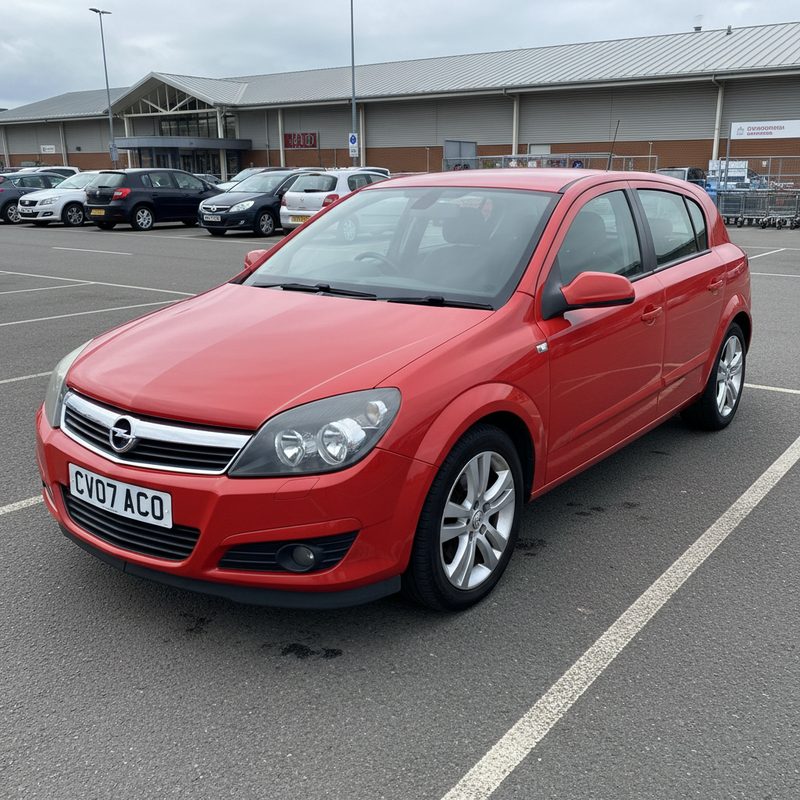
Vauxhall Astra Depreciation — Best Year to Buy Used for Value
The Vauxhall Astra has been reborn under Stellantis ownership with sharp new looks and plug-in hybrid tech. Here's how depreciation works across generations and when to buy.
A Tale of Two Astras
The Vauxhall Astra story in 2026 is really two stories. There is the old Astra K (2015-2021), built on General Motors architecture, which was a perfectly competent but slightly forgettable family hatchback. And then there is the new Astra L (2022 onwards), built on the Stellantis EMP2 platform shared with the Peugeot 308, which is a genuinely striking car with bold styling and plug-in hybrid options. The depreciation profiles of these two cars are very different, and knowing which to target could save you thousands.
The new Astra L launched with prices from around £27,000 for a base Design and climbing to £38,000 or more for the plug-in hybrid GSe in Sports Tourer (estate) form. The old Astra K, meanwhile, is now firmly in bargain territory. Understanding where each sits on the depreciation curve is key to making a smart purchase.
I should mention something important: Vauxhall has historically struggled with depreciation compared to Ford and Volkswagen. The brand does not carry the same cachet, and that perception gap translates to faster value loss, especially in the first few years. But that weakness from new is precisely what creates opportunities for the used buyer.
Depreciation Numbers for Both Generations
New Astra L (1.2 Turbo GS Line, approximately £30,000 new)
- Year 1: Falls to about £20,700 (31% loss, roughly £9,300 gone)
- Year 2: Falls to about £17,000 (18% further loss)
- Year 3: Falls to about £14,200 (16% further loss)
- Year 4: Falls to about £12,000 (15% further loss)
Old Astra K (1.4 Turbo SRi, approximately £22,000 new)
- Year 3 (2019 model in 2022): Worth about £10,500 (52% total loss)
- Year 5 (2019 model in 2024): Worth about £7,200 (67% total loss)
- Year 7 (2019 model in 2026): Worth about £5,000 (77% total loss)
The Astra K's depreciation was harsh. Losing over half its value in three years placed it firmly in the faster-depreciating half of the family hatchback segment. The Astra L is performing slightly better, thanks to its improved styling and platform, but it is still losing value faster than a Ford Focus or VW Golf at equivalent ages.
If you are weighing up alternatives, our guide to Honda Jazz Depreciation covers similar ground from a different angle.
The Astra PHEV (plug-in hybrid) follows the typical pattern for company car favourites. Many were sold to fleets on benefit-in-kind tax advantages, and they are now flooding the used market as leases end. A £35,000 PHEV might be available for £18,000 to £20,000 at three years old -- a 40-43% loss. That is actually slightly better than expected, helped by growing demand for plug-in hybrids as clean air regulations tighten.
Dave's Recommended Buying Window
For the Astra L, I would wait until three to four years old. At that point, a 2023 model in GS Line trim with the 1.2 Turbo and 25,000 miles should cost around £13,000 to £15,000. The steep early depreciation has passed, and you are getting a modern car with excellent safety equipment and a quality interior that genuinely rivals the Golf.
The PHEV Astra at three to four years old is where things get really interesting. Expect prices around £17,000 to £20,000 for a car that listed at £35,000 to £38,000 new. You get 40 miles of electric range, very low running costs if you can charge at home, and a car that feels genuinely premium inside. Annual depreciation from this point should be around £1,500 to £2,000.
For more on this topic, take a look at our Vauxhall Crossland Depreciation guide.
For the Astra K, the buying window is right now. At five to seven years old, these are available from £5,000 to £8,000 depending on trim and mileage. Depreciation has slowed to around £700 to £1,000 per year. The 1.4 Turbo in SRi trim is the sweet spot -- punchy enough, economical enough, and equipped enough for comfortable daily use.
Budget buyers should look at the Astra K in Design or Tech Line Nav trim from 2016-2017. These are available from £3,500 to £5,000 and are approaching the bottom of the depreciation curve. Annual losses of £300 to £500 make them almost free to own in depreciation terms.
Which Astra Specs Hold Their Value
Engine Preferences
For the Astra L, the 1.2 Turbo 130PS is the volume seller and holds value best among the combustion engines. The 1.5 diesel is less popular in the new generation -- Astra buyers are increasingly choosing petrol or PHEV. The PHEV holds value in absolute terms but loses more in percentage terms due to its higher starting price.
You might also find our Mercedes GLC Depreciation guide useful alongside this one.
For the Astra K, the 1.4 Turbo (150PS) is the most desirable petrol engine. The 1.0-litre three-cylinder feels underpowered and values reflect that -- about 5% weaker than the 1.4 Turbo at any age. The 1.6 CDTi diesel was popular with fleet buyers but is now less desirable on the retail market.
Before buying, you can check the exact road tax cost on GOV.UK using the registration number.
Trim Matters
GS Line is the strongest trim for the Astra L. It replaces the old SRi name and has the sporty styling and equipment that appeals to the widest audience. Design is the base and depreciates fastest. Ultimate is the luxury option and offers great value used, though the percentage loss is higher.
We have covered related ground in our VW Tiguan Depreciation guide, which is worth reading if this subject interests you.
For the Astra K, SRi was the best-selling trim and remains the strongest on the used market. Elite Nav offered luxury features and holds a small premium. Tech Line Nav was a good mid-range option. Energy and Design at the bottom of the range are the weakest performers.
Body Style
The Sports Tourer estate is available on both the K and L generations. It typically holds value 2-4% better than the hatchback because estate demand among families is consistent and supply is lower. If you need the space, the estate is the financially smarter choice.
What Damages Astra Resale Values
Brand perception is the elephant in the room. Vauxhall simply does not command the respect that Ford, Volkswagen, or the premium brands enjoy. This means that cosmetic imperfections and missing service history have a disproportionate impact on Astra values. Buyers already feel they are making a value-oriented choice, and anything that undermines the car's condition reinforces negative perceptions.
You can check the exact safety score for any model on the Euro NCAP website.
Mileage impacts the Astra more than average. A three-year-old Astra with 50,000 miles will be worth 15-20% less than one with 20,000 miles. On a car valued at £13,000, that represents a difference of £1,950 to £2,600. Keep annual mileage under 10,000 for the best resale position.
Electronic niggles plagued some early Astra K models, particularly with the IntelliLink infotainment system. Cars with a documented history of fault-free electronics sell for a premium because buyers are wary. A working, responsive touchscreen is surprisingly important to buyers at this price level.
Interior trim quality was a weak point on the Astra K, with some plastics becoming scratched and marked easily. The Astra L is significantly better in this regard, using higher-quality materials throughout. For the K, a clean, undamaged interior adds real value -- budget for a professional detail before selling.
You can look up the exact insurance group for any car on Thatcham's website before getting quotes.
Colour preferences follow the usual pattern. Grey, white, and black are the strongest. Blue does reasonably well. Red is acceptable on SRi and GS Line trims. Silver is dated. Avoid unusual or bright colours -- they limit your audience and can cost 3-5% at resale.
Smart Buying Strategies
For the Astra L: target a 2023 GS Line with the 1.2 Turbo 130PS in grey or white, with under 30,000 miles and a full Vauxhall service history. Budget £13,000 to £15,000. This gives you a modern, well-equipped family hatchback at roughly half its new price.
For the Astra K: look for a 2019 or 2020 SRi with the 1.4 Turbo in a neutral colour, with 40,000 to 50,000 miles. Budget £6,000 to £8,000. At this price, depreciation is gentle and running costs are very manageable.
The FCA has a useful guide to car finance that explains your rights and what to watch for.
For either generation, complete service records matter more on a Vauxhall than on a Ford or VW. The brand's depreciation weakness means any additional negative factor is amplified. A full service book, clean MOT history, and tidy bodywork are your best defences against value loss.
Dave's Closing Advice
The Vauxhall Astra has never been the most glamorous choice in the family hatchback class, but the new Astra L has genuinely closed the gap to the competition. Heavy depreciation from new makes it a brilliant used buy, and the PHEV version in particular offers exceptional value at three to four years old.
Before you buy, run the registration through Dave's vehicle check. Astras are common fleet and lease cars, and you need to know what kind of life the car has lived. Check the mileage against MOT records, verify finance status, look at the MOT history for recurring faults, and confirm the car is not an insurance write-off. Knowledge is your best protection against a bad purchase.
Check Vauxhall Astra, instantly with Dave's free vehicle intelligence report.
Check a specific year with Dave