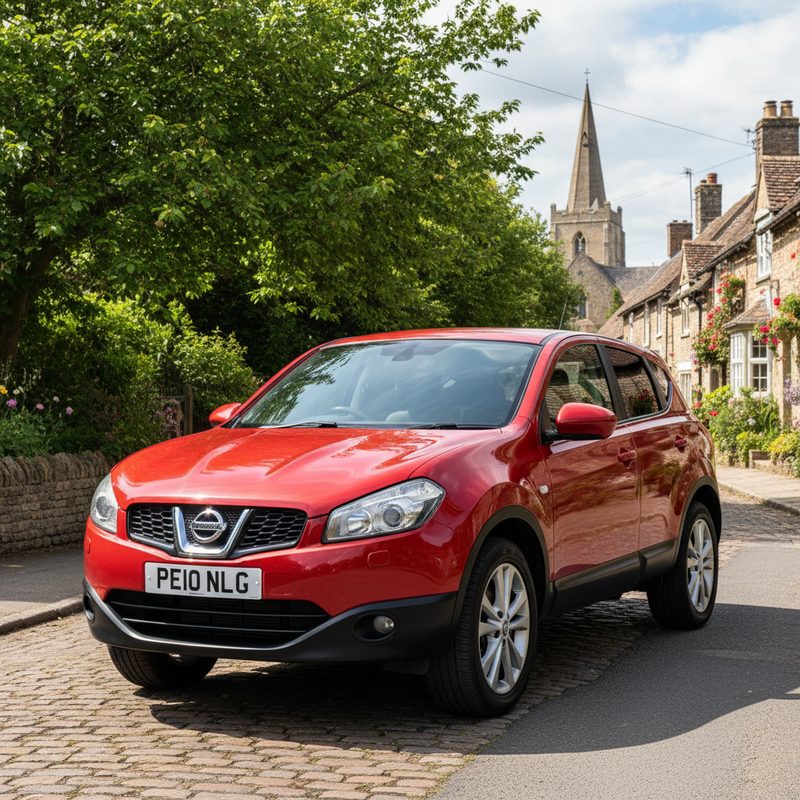
Nissan Qashqai Resale Value: How Well Does It Hold?
Discover how the Nissan Qashqai performs in terms of resale value, including depreciation trends and tips for buyers looking to maximise their investment.
Understanding the Depreciation Curve for the Nissan Qashqai
The Nissan Qashqai has established itself as a staple in the UK SUV market since its launch in 2006. Its blend of practicality, style, and efficiency has made it a popular choice among families and commuters alike. However, when it comes to purchasing a used Qashqai, understanding its depreciation curve is crucial for making an informed decision.
Typically, new cars lose around 20% of their value in the first year alone. The Qashqai follows this trend closely, with average depreciation rates of about 15-20% per year for the first three years. By the end of the third year, a Qashqai can expect to retain approximately 60-65% of its original value. For example, if you purchase a new Qashqai for £25,000, it could be worth around £15,000 to £16,250 after three years.
As the vehicle ages, the depreciation rate tends to slow down. After five years, the Qashqai typically depreciates to around 45-50% of its original value. This means that a five-year-old Qashqai priced at £25,000 would likely be worth between £12,500 and £13,750. This slower depreciation rate can make older models more appealing to buyers looking for value.
Identifying the Sweet Spot Age for Value
When considering the best age to buy a Nissan Qashqai, the sweet spot typically falls between three to five years old. At this age, the vehicle has already undergone the steepest part of its depreciation curve, allowing buyers to benefit from significant savings compared to new models while still enjoying relatively modern features and reliability.
For instance, a three-year-old Qashqai may be available for around £16,000, offering a substantial discount from its original price. Meanwhile, a five-year-old model might be priced at £13,000. These prices reflect a balance between affordability and the assurance that the vehicle has been road-tested but is still relatively new.
Additionally, buying within this age range often means that the vehicle is still under warranty or has recently completed its first MOT, providing peace of mind for the buyer.
Which Variants and Specs Hold Value Best?
Not all Nissan Qashqai variants are created equal when it comes to resale value. Generally, higher-spec models tend to hold their value better than entry-level trims. For example, the Qashqai Tekna and N-Sport variants, which come equipped with more features such as advanced safety systems, premium audio, and enhanced interior materials, are often more desirable in the used market.
Data indicates that these higher-spec models can retain up to 70% of their value after three years, compared to around 60% for base models. This difference can translate into significant savings for buyers looking to sell or trade in their vehicle later on.
Moreover, fuel-efficient diesel variants typically hold their value better than petrol models, particularly in the current climate of rising fuel prices. The 1.5 dCi diesel engine, for instance, has garnered a reputation for its efficiency and reliability, making it a sought-after option in the used market.
Factors Affecting the Resale Value of the Nissan Qashqai
Several factors can influence the resale value of a Nissan Qashqai, and being aware of these can help buyers make smarter decisions.
Mileage
Mileage is one of the most significant factors affecting a vehicle's resale value. Generally, the lower the mileage, the higher the resale value. A Qashqai with under 40,000 miles may fetch a premium compared to one with over 80,000 miles. For instance, a three-year-old Qashqai with 30,000 miles could be valued at £17,000, while a similar model with 70,000 miles might only be worth £14,000.
Condition
The overall condition of the vehicle plays a crucial role in determining its resale value. A well-maintained Qashqai with a full service history will command a higher price than one with visible wear and tear or a lack of maintenance records. Buyers should look for signs of damage, rust, or poor repairs, as these can significantly impact the vehicle's value.
Market Demand
The demand for SUVs, particularly compact models like the Qashqai, has remained high in the UK. Factors such as changing consumer preferences, fuel prices, and economic conditions can affect demand and, consequently, resale values. For example, during periods of economic uncertainty, buyers may lean towards more affordable used vehicles, which can drive up the prices of popular models like the Qashqai.
Service History
A comprehensive service history is a strong indicator of a vehicle's reliability and can enhance its resale value. Buyers are often willing to pay more for a Qashqai that has been regularly serviced and maintained by a reputable dealer. This history not only provides peace of mind but also demonstrates that the vehicle has been cared for, which can lead to a higher resale price.
Strategies to Minimise Depreciation When You Buy
While depreciation is an inevitable part of car ownership, there are several strategies that buyers can employ to minimise its impact on their investment in a Nissan Qashqai.
Choose the Right Model
As mentioned earlier, opting for higher-spec models can lead to better resale values. Therefore, if you're considering a Qashqai, look for variants that are well-equipped and in demand. The Tekna and N-Sport models are excellent choices for retaining value.
Buy at the Right Time
Timing your purchase can significantly affect the price you pay. The best time to buy a used Qashqai is typically during the winter months when demand is lower. This can lead to better deals and less competition. Additionally, consider shopping for a vehicle just before the new registration plate is released in March and September, as this is when many people trade in their old cars.
Keep Mileage Low
If possible, aim to keep your mileage low. Vehicles with lower mileage tend to depreciate less, so consider using public transport or car-sharing for short trips. If you can keep your Qashqai under 10,000 miles per year, you may find it retains its value better than average.
Maintain the Vehicle
Regular maintenance and servicing are crucial for keeping your Qashqai in top condition. Ensure that you follow the manufacturer's service schedule and keep all records. A well-maintained vehicle is more attractive to potential buyers and can command a higher price.
Consider Leasing Instead of Buying
If you are particularly concerned about depreciation, leasing a Qashqai instead of purchasing it outright could be a viable option. Leasing allows you to drive a new vehicle without the long-term commitment of ownership, and you can avoid the depreciation hit altogether. At the end of the lease term, you simply return the vehicle.
Timing Your Purchase for Maximum Value
In conclusion, timing your purchase can be just as important as the model you choose. The Nissan Qashqai is a solid investment, but understanding the market dynamics can help you secure a better deal. As mentioned earlier, the best time to buy is typically during the winter months or just before new registration plates are released.
Additionally, consider the age of the vehicle. A three to five-year-old Qashqai is often the sweet spot for value, balancing depreciation with modern features and reliability. By being strategic about your purchase and considering the factors that affect resale value, you can maximise your investment in a Nissan Qashqai.
If you're in the market for a used Qashqai, check with me for specific year recommendations and insights tailored to your needs. With the right approach, you can drive away with a great deal that holds its value for years to come.