When Does a Nissan Qashqai Stop Depreciating?
Explore the depreciation trends of the Nissan Qashqai, including the best years to buy and tips to minimise your losses when purchasing.
Understanding Depreciation: The Basics
Ah, depreciation. It’s that pesky little gremlin that lurks in the shadows of car ownership, gnawing away at your vehicle's value as time rolls on. For those of us who prefer to keep our wallets intact, understanding how and when a car depreciates is crucial, especially when considering a popular model like the Nissan Qashqai.
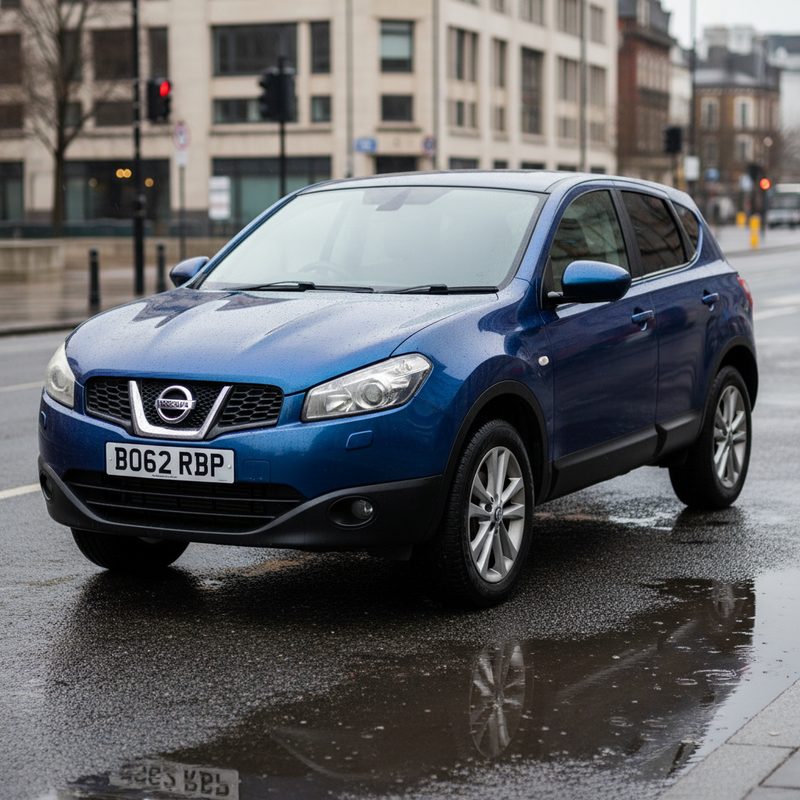
Now, the Qashqai has been a favourite among UK drivers since its debut in 2006. With its blend of practicality, style, and reliability, it’s no wonder it’s become a staple on our roads. But like all cars, it doesn’t escape the clutches of depreciation. So, when does a Nissan Qashqai stop depreciating? Let’s dive into the nitty-gritty.
The Depreciation Curve for the Nissan Qashqai
First things first, let’s talk numbers. The depreciation curve for the Nissan Qashqai is relatively standard for a vehicle in its class. On average, you can expect a new Qashqai to lose about 20% of its value in the first year alone. Ouch! After three years, that figure can rise to around 40-45%. By the time it hits five years, you’re looking at a depreciation of approximately 55%.
To put this into perspective, if you bought a brand-new Qashqai for £25,000, you might see its value plummet to about £13,750 after five years. However, the good news is that the depreciation rate tends to slow down after this point. By the time the Qashqai reaches the seven-year mark, it could be worth around £9,000, representing a depreciation of about 64% from its original price.
Visualising the Curve
If you were to plot this on a graph, it would resemble a steep drop at first, followed by a gradual tapering off. This means that if you’re looking to buy a used Qashqai, you might want to consider models that are around three to five years old, as they’ve already taken the biggest hit in terms of value.
Sweet Spot Age: The Best Year to Buy for Value
So, what’s the sweet spot? The ideal age for purchasing a Nissan Qashqai is typically between three to five years old. At this stage, the car has already experienced the bulk of its depreciation, but it’s still relatively new and often comes with some warranty left.
For instance, a 2018 model might be a fantastic choice. With an average price of around £18,000 when new, you could find one for about £12,000 to £14,000 today. That’s a significant saving, and you’re still getting a modern vehicle with updated technology and safety features.
The 2018 Model: A Case Study
The 2018 Nissan Qashqai is particularly appealing due to its blend of style and practicality. It’s spacious, fuel-efficient, and comes with a host of features like advanced safety systems and infotainment options. Plus, it’s likely to have a decent service history if purchased from a reputable dealer.
Buying a model from this year means you’re not only getting a good deal, but you’re also investing in a car that has a solid reputation for reliability.
Which Variants/Specs Hold Value Best?
When it comes to the Nissan Qashqai, not all variants are created equal. Certain specifications tend to hold their value better than others. Generally, the higher-end trims, such as the Tekna and N-Sport, are more desirable in the used market. Why? Because they come packed with features that buyers want, like leather seats, advanced navigation systems, and premium sound systems.
The Tekna Trim
The Tekna trim, for example, often retains its value better due to its added luxury and technology. A 2018 Tekna model might sell for around £14,500, while a lower-spec Visia model from the same year could be priced at £11,000. The difference in features and desirability can make a significant impact on resale value.
Diesel vs. Petrol
Another factor to consider is the engine type. Diesel models tend to depreciate slower than petrol variants, especially with the rise of fuel prices and environmental concerns. If you’re considering a Qashqai, a diesel model might be a better investment, particularly if you do a lot of long-distance driving.
Factors That Affect the Qashqai's Resale Value
Several factors can influence how well a Nissan Qashqai holds its value. Here are some key considerations:
Mileage
Mileage is a significant factor in determining a car's value. A Qashqai with 30,000 miles will generally be worth more than one with 70,000 miles, all else being equal. Aim for a model with lower mileage to maximise your investment.
Service History
A full service history can add value to a used car. If the previous owner has kept up with regular maintenance, it’s a good sign that the vehicle has been well cared for. Always ask for service records when buying a used Qashqai.
Condition
The overall condition of the car plays a massive role in its resale value. Look for signs of wear and tear, and don’t be afraid to ask for a vehicle inspection report. A well-maintained Qashqai will fetch a higher price than one that’s been neglected.
Market Demand
Finally, keep an eye on market trends. The Qashqai is a popular choice among UK drivers, but demand can fluctuate. If you’re buying during a time when demand is high (like just before summer), you might pay a bit more than if you wait for the winter months when sales tend to slow down.
How to Minimise Depreciation When You Buy
Now that you know when the Qashqai stops depreciating, let’s talk about how to minimise depreciation when you buy. Here are some practical tips:
Choose the Right Model
As mentioned earlier, opt for a model that’s three to five years old and consider higher-spec trims. They tend to hold their value better than base models.
Keep It in Good Condition
Treat your Qashqai like royalty! Regular maintenance, keeping it clean, and addressing any issues promptly can help preserve its value.
Limit Mileage
If possible, try to limit your mileage. High mileage can significantly affect resale value, so consider carpooling or using public transport for longer commutes.
Avoid Modifications
While it might be tempting to customise your Qashqai with flashy wheels or a loud exhaust, these modifications can often decrease resale value. Stick to factory specifications for the best return on your investment.
Dave's Recommendation on Timing Your Purchase
Timing is everything, right? If you’re looking to snag a great deal on a Nissan Qashqai, consider shopping during the winter months. January and February are typically slower months for car sales, meaning dealers are more likely to offer discounts to clear out inventory.
Additionally, keep an eye on the end of the month or quarter when dealerships are trying to hit sales targets. You might just find yourself a bargain!
Conclusion
In summary, the Nissan Qashqai is a fantastic choice for those looking for a reliable and stylish SUV. Understanding its depreciation curve, knowing the sweet spot for purchasing, and being aware of the factors that affect resale value can help you make a smart investment.
So, if you’re in the market for a used Qashqai, aim for a model that’s about three to five years old, consider the higher trims, and don’t forget to check the service history. And remember, timing your purchase can save you a pretty penny. Now, go forth and find that perfect Qashqai — your wallet will thank you later!
Check Nissan Qashqai, instantly with Dave's free vehicle intelligence report.
Check a specific year with Dave