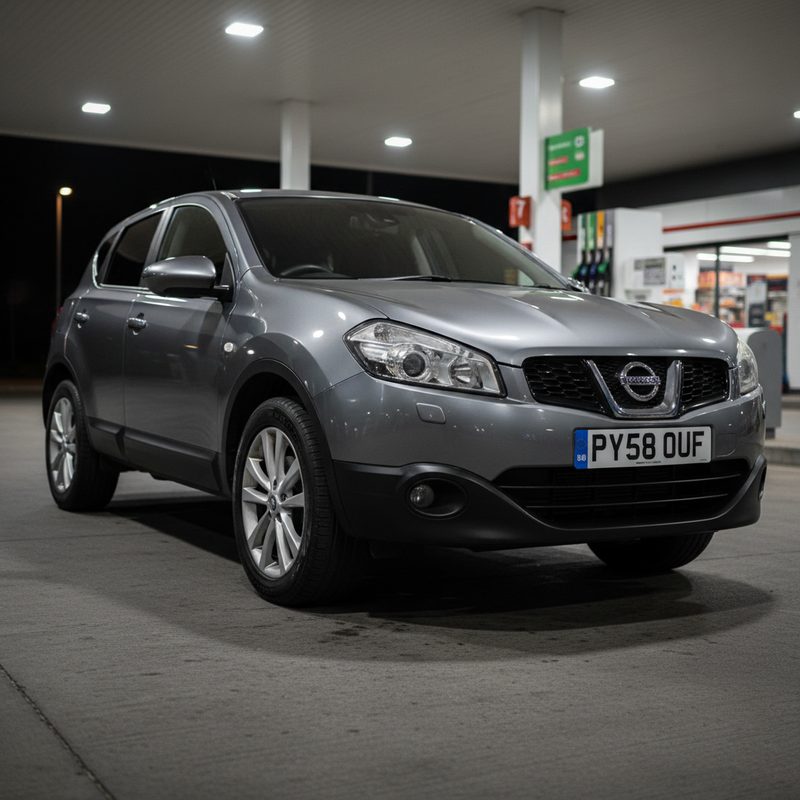
Nissan Qashqai — Best Age to Buy for Lowest Cost Per Mile
This guide explores the best age to buy a Nissan Qashqai, focusing on depreciation, resale value, and cost-effective purchasing strategies.
Understanding the Depreciation Curve for the Nissan Qashqai
When considering a used Nissan Qashqai, understanding its depreciation curve is crucial. The Qashqai, a popular compact SUV, tends to follow a typical depreciation pattern seen in many vehicles. On average, you can expect a new Qashqai to lose around 20% of its value in the first year alone. This steep initial drop is common across the automotive industry and is primarily due to the vehicle transitioning from new to used status.
After the first year, the depreciation rate slows down significantly. By the end of the second year, the Qashqai may have lost approximately 30-35% of its original value. By year three, this figure can rise to around 40-45%. After this point, the depreciation curve flattens out, and the vehicle tends to hold its value better. For example, a new Qashqai priced at £25,000 might be worth around £15,000 after three years.
This pattern indicates that the most significant depreciation occurs within the first few years of ownership. Therefore, if you’re looking for a used Qashqai, targeting models that are around three to five years old can be advantageous. At this age, the vehicle has already absorbed most of its initial depreciation, making it a more cost-effective option for buyers.
Sweet Spot Age — Best Year to Buy for Value
The sweet spot for buying a used Nissan Qashqai is typically between three to five years old. This age range strikes a balance between affordability and reliability. For instance, a 2019 model year Qashqai can often be found for around £15,000 to £18,000, depending on the mileage and condition. This price point represents a significant saving compared to a new model while still offering many of the modern features and technologies that buyers desire.
Buying a Qashqai around this age also means you’re likely to benefit from the manufacturer’s warranty, which often lasts for three years. This can provide peace of mind, as you may still have coverage for any potential issues that arise shortly after your purchase. Additionally, vehicles in this age range are often equipped with the latest safety features and technology, making them a smart choice for families and individuals alike.
Moreover, the Qashqai’s reputation for reliability means that a well-maintained model from this period is likely to serve you well for many more years. Many owners report that their Qashqai continues to perform reliably well into its second or third ownership, making it a sound investment.
Which Variants/Specs Hold Value Best
When it comes to the Nissan Qashqai, not all variants hold their value equally. Generally, the higher-spec models tend to depreciate less than the entry-level versions. For example, a Qashqai Tekna or N-Sport model, equipped with additional features such as leather seats, advanced infotainment systems, and enhanced safety technologies, will typically retain its value better than a base model.
The diesel variants also tend to hold their value slightly better than petrol models, primarily due to their fuel efficiency. However, this trend has been shifting in recent years as the market moves towards petrol and hybrid vehicles. Therefore, if you’re considering a used Qashqai, look for models with a good balance of features and fuel type that suit your driving needs.
Another factor to consider is the colour and trim. Neutral colours like black, grey, and white tend to be more popular and can command a higher resale price compared to more vibrant colours. Additionally, models with desirable features such as panoramic sunroofs, advanced driver assistance systems, and upgraded audio systems will generally be more sought after in the used market.
Factors That Affect This Model's Resale Value
Several factors can impact the resale value of a Nissan Qashqai. Firstly, mileage plays a significant role. Lower mileage vehicles are generally more desirable and command higher prices. A Qashqai with under 40,000 miles will typically be worth more than one with 80,000 miles, even if both are the same age and model.
Service history is another critical factor. A well-documented service history can significantly enhance a vehicle’s resale value. Buyers are more likely to pay a premium for a car that has been regularly maintained and serviced by authorised dealers. This not only assures them of the vehicle's condition but also indicates that it has been cared for properly.
The condition of the vehicle is also paramount. A Qashqai that has been kept in excellent condition, both mechanically and aesthetically, will fetch a higher price than one with scratches, dents, or interior wear. Therefore, if you’re looking to sell your Qashqai in the future, maintaining its condition is essential.
Market demand can also influence resale values. The Qashqai is a popular model in the UK, which generally helps maintain its value. However, if a new model is released or if there’s a shift in consumer preferences towards electric vehicles, this could impact the resale value of older models. Keeping an eye on market trends can help you make more informed decisions about when to buy or sell.
How to Minimise Depreciation When You Buy
Minimising depreciation when purchasing a used Nissan Qashqai involves strategic planning and informed decision-making. Firstly, buying a vehicle that is already a few years old, as discussed earlier, is one of the most effective ways to avoid the steepest depreciation. By purchasing a model that is around three to five years old, you can save significantly compared to a new model while still enjoying many of the latest features.
Another strategy is to consider the model’s specifications carefully. Opting for higher-spec models can be beneficial, as they tend to retain their value better. Additionally, choosing a petrol variant over diesel may be wise, given the current market trends leaning towards petrol and hybrids.
Maintaining the vehicle properly is also crucial. Regular servicing, keeping the car clean, and addressing any minor repairs promptly can help maintain its condition and resale value. When it comes time to sell, having a full service history can reassure potential buyers and justify a higher asking price.
Finally, consider the timing of your purchase. Buying at the end of the month or during the winter months can often lead to better deals, as dealerships may be more willing to negotiate to meet sales targets. Additionally, keep an eye on seasonal trends; for example, SUVs like the Qashqai tend to be more popular in the spring and summer, which can affect pricing.
Dave's Recommendation on Timing Your Purchase
Timing your purchase can significantly impact the price you pay for a used Nissan Qashqai. As mentioned earlier, the best time to buy is typically during the winter months or at the end of the month when dealers are keen to meet sales targets. During these periods, you may find that dealerships are more willing to negotiate on price, and you could secure a better deal.
Additionally, consider the time of year when new models are released. Manufacturers often release new models in the autumn, which can lead to discounts on the outgoing models. If you’re looking at a Qashqai, keep an eye on when the latest model is set to launch, as this can create opportunities for savings on slightly older stock.
Furthermore, if you’re open to buying from private sellers, you may find better deals during the holiday season when people are looking to sell quickly for cash. Websites like AutoTrader and Gumtree can be excellent resources for finding private sales, often at lower prices than dealerships.
In conclusion, the Nissan Qashqai is a solid choice for a used vehicle, especially if you target the right age and model. By understanding the depreciation curve, identifying the sweet spot for purchasing, and considering the factors that affect resale value, you can make a smart buying decision. Remember to maintain the vehicle well and consider the timing of your purchase to minimise depreciation. If you have any questions or need advice on a specific year or model, don’t hesitate to check in with me. Happy car hunting!
Check Nissan Qashqai, instantly with Dave's free vehicle intelligence report.
Check a specific year with Dave