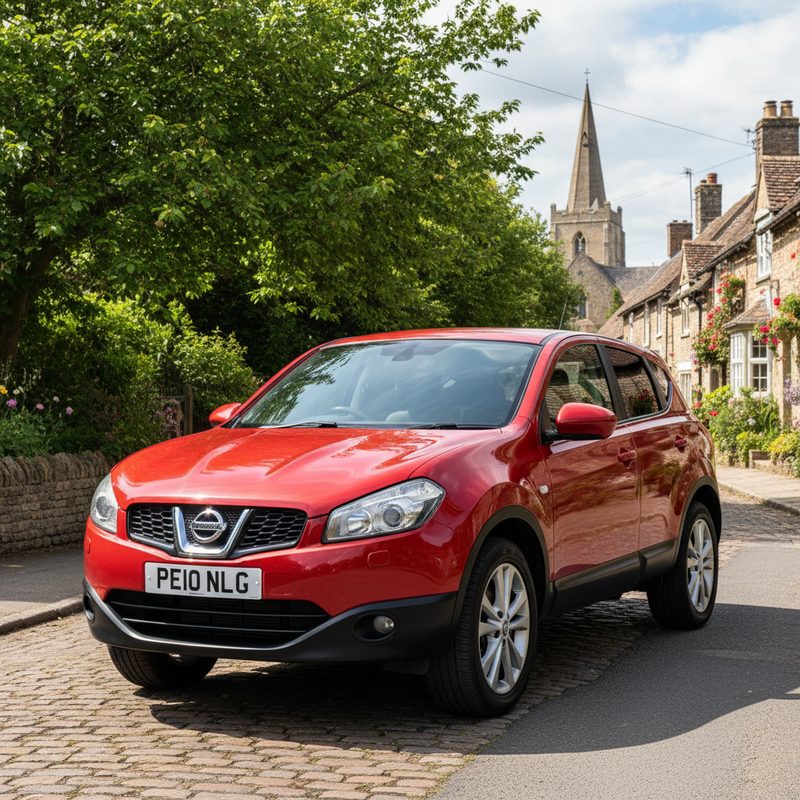
Nissan Qashqai vs Kia Sportage Used: Which Is Better Value?
Deciding between the Nissan Qashqai and Kia Sportage? This guide compares running costs, reliability, practicality, and overall value to help you choose.
The Nissan Qashqai and Kia Sportage are two popular choices in the used car market, particularly for those seeking a reliable and versatile SUV. The Qashqai boasts a slightly lower MOT pass rate of 77.1%, while the Sportage edges ahead with an impressive 81%. This article dives into the details to help you decide which one offers better value for your needs.
Key facts
- Nissan Qashqai MOT pass rate: 77.1% based on 96,445 DVSA MOT tests.
- Kia Sportage MOT pass rate: 81% based on 39,475 DVSA MOT tests.
- Common failure areas for Qashqai: Brakes (23.9%), tyres (23.5%), suspension (22.6%).
- Common failure areas for Sportage: Tyres (32.9%), brakes (30.3%), suspension (11.9%).
- Best years for Qashqai: 2020 (10% fail rate), 2021 (11.3% fail rate).
- Best years for Sportage: 2019 (13.7% fail rate), 2018 (14.2% fail rate).
Running costs compared
When it comes to running costs, both the Nissan Qashqai and Kia Sportage have their strengths. Understanding these costs can significantly influence your decision, especially if you're planning to keep the car for a while.
Insurance and Fuel Costs
Insurance groups can vary widely between the two models, affecting your overall running costs. The Qashqai generally falls into a slightly higher insurance group compared to the Sportage, which could mean higher premiums for some drivers. Fuel economy is another critical factor; the Qashqai tends to offer better MPG figures, especially with its diesel variants. However, the Sportage's petrol engines are competitive as well.
Servicing and Maintenance
Both cars are relatively straightforward to maintain, but there are some differences. The Qashqai has a reputation for being a bit pricier when it comes to servicing, particularly for older models that may require more frequent repairs. The Sportage, on the other hand, often benefits from Kia's long warranty periods, which can give peace of mind regarding potential repair costs.
Tyre Prices
Tyre prices can also vary based on the model and size, but generally, the Qashqai might require slightly more expensive tyres due to its larger size and weight. The Sportage, while still needing good quality tyres, often has more affordable options available.
| Cost Aspect | Nissan Qashqai | Kia Sportage |
|---|---|---|
| Insurance Group | Higher | Lower |
| Average MPG | 45-55 | 40-50 |
| Typical Service Cost | £250-£350 | £200-£300 |
| Average Tyre Cost | £80-£120 | £70-£110 |
Reliability compared
Reliability is a crucial factor when considering a used car. The Nissan Qashqai has a pass rate of 77.1%, which is slightly below the national average of 79.1%. In contrast, the Kia Sportage boasts a more impressive pass rate of 81%. This difference can be significant when considering long-term ownership.
Common Failure Points
The Qashqai's most common failure points include brakes, tyres, and suspension, with brakes accounting for 23.9% of defects. In comparison, the Sportage has a higher percentage of tyre-related issues at 32.9%, followed closely by brakes at 30.3%. This suggests that while both vehicles have their weak spots, the Qashqai may face more significant issues related to suspension and braking systems.
MOT Fail Rates
Examining the MOT fail rates by mileage can also provide insights into reliability. For the Qashqai, the fail rate increases significantly with mileage, peaking at 40.2% for cars over 120,000 miles. The Sportage shows a similar trend, with a 35.3% fail rate for the same mileage band. This indicates that both models may require more attention as they age, but the Sportage has a slight edge in overall reliability.
| Mileage Band | Nissan Qashqai Fail Rate | Kia Sportage Fail Rate |
|---|---|---|
| Under 40,000 miles | 12% | 12.8% |
| 40,000 to 80,000 miles | 21.9% | 19% |
| 80,000 to 120,000 miles | 33.8% | 28.7% |
| Over 120,000 miles | 40.2% | 35.3% |
Practicality compared
When it comes to practicality, both the Nissan Qashqai and Kia Sportage offer ample space and features that cater to families and individuals alike. However, there are some differences worth noting.
Boot Space and Interior
The Qashqai typically offers a boot space of around 430 litres, which is decent for most needs. The Sportage, however, often provides slightly more room, with a boot capacity of about 491 litres. This extra space can be a game-changer for families or anyone needing to haul larger items.
Rear Legroom
In terms of rear legroom, both models are competitive. The Qashqai provides a comfortable experience for rear passengers, but the Sportage tends to have a bit more space, making it more suitable for taller passengers. This is an important consideration if you regularly transport family or friends.
Infotainment and Safety Features
Both vehicles come equipped with modern infotainment systems, but the Sportage often edges ahead with more intuitive interfaces and better connectivity options. Safety features are also a strong point for both, but the Sportage has received higher ratings in crash tests, which can be reassuring for families.
| Feature | Nissan Qashqai | Kia Sportage |
|---|---|---|
| Boot Space (litres) | 430 | 491 |
| Rear Legroom (cm) | 89 | 93 |
| Infotainment System | Good | Excellent |
| Safety Rating | Good | Excellent |
Value for money
Value for money is a crucial aspect when deciding between the Nissan Qashqai and Kia Sportage. Both vehicles have their strengths, but how do they compare in terms of depreciation and overall cost-effectiveness?
Depreciation Curves
The Qashqai has been known to depreciate at a moderate rate, but certain years, particularly 2020 and 2021, have shown better retention of value. The Sportage, on the other hand, tends to hold its value slightly better overall, especially in the years following 2018. This can make a significant difference when it comes time to sell or trade in your vehicle.
Sweet-Spot Age to Buy
If you're looking for the best value, consider the sweet spot age for each model. For the Qashqai, models from 2020 and 2021 are ideal, as they offer modern features without the steep price tag of brand-new vehicles. For the Sportage, 2019 and 2018 models are often the best bets, providing a good balance of features and value.
| Model | Best Year to Buy | Depreciation Rate |
|---|---|---|
| Nissan Qashqai | 2020, 2021 | Moderate |
| Kia Sportage | 2018, 2019 | Slightly Lower |
Dave's final call
In conclusion, both the Nissan Qashqai and Kia Sportage have their merits, but your choice ultimately depends on your specific needs. If you're after a vehicle with slightly better reliability and lower running costs, the Kia Sportage is the way to go. However, if you prefer a car with a bit more boot space and a comfortable ride, the Qashqai might be your best bet.
For families, the Sportage offers more rear legroom and a better safety rating, making it a solid choice for those who need to transport kids or friends regularly. If you're on a budget, consider the Qashqai, particularly the newer models, as they tend to offer good value for money.
Before making your final decision, I recommend checking the specific vehicle history of any used car you're considering. Use the CarBuyerIQ Vehicle Check to get a comprehensive report on the car's history, including MOT records and mileage verification. This will help you avoid any nasty surprises down the road. Happy car hunting!
For more insights, check out our guides on Nissan Qashqai vs Kia Sportage Reliability: MOT Data Compared and Used Nissan Qashqai or Kia Sportage? True Running Cost Comparison.