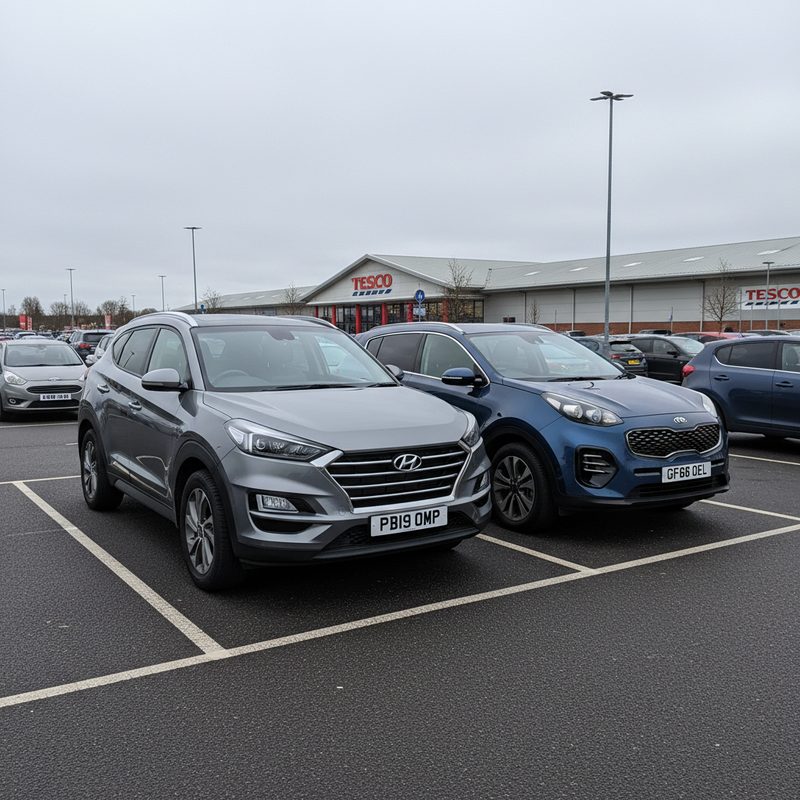
Mazda CX-5 vs Hyundai Tucson: Value SUV Compared
Dive into the detailed comparison of Mazda CX-5 and Hyundai Tucson, exploring their running costs, reliability, practicality, and overall value for money.
Quick Verdict
When it comes to the Mazda CX-5 and Hyundai Tucson, it’s a close call, but the CX-5 edges ahead for its engaging driving experience and stylish design. However, the Tucson shines with its practicality and generous tech features. If you want a sporty drive, go for the CX-5; if you need a family-friendly SUV with a tech-savvy edge, the Tucson is your best bet.
Running Costs Compared
Understanding running costs is crucial when choosing between the Mazda CX-5 and Hyundai Tucson. Both vehicles are popular choices in the SUV market, but they come with different price tags when it comes to insurance, fuel economy, and servicing.
If you are weighing up alternatives, our guide to Peugeot 3008 vs SEAT Ateca covers similar ground from a different angle.
Insurance Groups
Insurance can be a significant factor in the overall cost of ownership. The Mazda CX-5 generally falls into insurance groups 19 to 28, depending on the trim level. In contrast, the Hyundai Tucson typically ranges from insurance groups 14 to 24. This means that, on average, the Tucson could be a more affordable option for those concerned about insurance premiums.
Fuel Economy
Real-world fuel economy can vary based on driving habits and conditions, but here’s a rough comparison:
| Model | Engine Type | Real-World MPG | Fuel Tank Capacity |
|---|---|---|---|
| Mazda CX-5 | 2.0L Petrol | 35-40 | 58 litres |
| Hyundai Tucson | 1.6L Diesel | 45-50 | 62 litres |
For more on this topic, take a look at our Ford Puma vs Nissan Juke guide.
The Tucson’s diesel engine offers better fuel economy, making it a more economical choice for long-distance drivers. However, if you prefer petrol, the CX-5 still holds its own with decent MPG figures.
You might also find our Tesla Model 3 vs BMW 3 Series guide useful alongside this one.
Servicing Costs
Servicing costs can vary widely based on the vehicle’s age and condition, but generally, the Mazda CX-5 tends to have slightly higher servicing costs compared to the Tucson. Expect to pay around £250-£300 for a full service on the CX-5, while the Tucson may cost around £200-£250. This difference can add up over time, especially if you’re planning to keep the vehicle for several years.
Tyre Prices
Tyre prices can also impact running costs. Both vehicles typically use similar tyre sizes, with prices ranging from £60 to £120 per tyre, depending on the brand and specifications. However, always check the specific tyre requirements for the model you’re considering, as this can vary.
Reliability Compared
Reliability is a crucial factor when investing in a used SUV. Both the Mazda CX-5 and Hyundai Tucson have solid reputations, but let’s dive into the specifics.
We have covered related ground in our Ford Kuga vs VW Tiguan guide, which is worth reading if this subject interests you.
MOT Pass Rates
According to the latest data, the Mazda CX-5 has a MOT pass rate of around 85%, while the Hyundai Tucson boasts a slightly higher pass rate of approximately 88%. This suggests that the Tucson may have a slight edge in terms of reliability, but both vehicles perform well in this area.
Common Failure Points
Common issues can arise in any vehicle, and knowing what to look for can save you a lot of trouble. For the CX-5, common failure points include the air conditioning system and electrical components, which can sometimes be temperamental. The Tucson, on the other hand, has reported issues with the fuel system and suspension components, particularly in older models. It’s worth checking the GOV.UK MOT history for specific vehicles to see if any recurring issues have been documented.
What Actually Breaks
In real-world scenarios, owners of the CX-5 have reported issues with the infotainment system and occasional transmission problems, particularly in earlier models. The Tucson has had its share of complaints too, with some drivers noting issues with the engine management system and electronic handbrake. Always consider a thorough vehicle check, such as a DVLA vehicle check, to ensure you’re not buying a problem.
Practicality Compared
Practicality is often a deciding factor for families and those who use their SUVs for various tasks. Let’s see how the Mazda CX-5 and Hyundai Tucson stack up in this department.
You can check the exact safety score for any model on the Euro NCAP website.
Boot Space
When it comes to boot space, the Hyundai Tucson takes the lead with a generous 513 litres of capacity, making it one of the most spacious in its class. The Mazda CX-5, while still respectable, offers around 506 litres. If you frequently carry large loads or have a growing family, the Tucson’s additional space might be a game-changer.
Rear Legroom
Rear legroom is another vital consideration, especially for families. The Tucson offers 1,000 mm of rear legroom, which is ample for taller passengers. The CX-5, while comfortable, provides slightly less at around 980 mm. If you often have adults in the back, the Tucson may be the more comfortable option.
Infotainment and Safety Kit
Both vehicles come equipped with a range of tech features, but the Tucson tends to have a more modern infotainment system with a larger touchscreen and better smartphone integration. Safety-wise, both vehicles are well-equipped, but the Tucson often includes more advanced safety features as standard, such as lane-keeping assist and adaptive cruise control.
| Feature | Mazda CX-5 | Hyundai Tucson |
|---|---|---|
| Boot Space (litres) | 506 | 513 |
| Rear Legroom (mm) | 980 | 1000 |
| Infotainment System | 7-inch touchscreen | 10.25-inch touchscreen |
| Safety Features | Basic safety kit | Advanced safety kit |
Value for Money
Value for money is a critical aspect when comparing these two SUVs. Let’s explore how they fare in terms of depreciation, resale value, and the best age to buy.
Depreciation Curves
Both the Mazda CX-5 and Hyundai Tucson hold their value reasonably well, but the Tucson tends to depreciate at a slower rate. This is partly due to its popularity and reputation for reliability. On average, you can expect the CX-5 to lose about 50% of its value after three years, while the Tucson may only lose around 45%. This can make a significant difference when it comes to resale.
Which Holds Value Better?
In terms of resale value, the Tucson has a slight edge. Its slower depreciation means that you might get a better return on your investment if you decide to sell it in a few years. However, the CX-5 is still a solid choice, especially if you find a well-maintained model at a good price.
Sweet-Spot Age to Buy
The sweet spot for buying either vehicle is typically around three to five years old. At this age, both SUVs have already undergone the steepest part of their depreciation curve, meaning you can snag a good deal without sacrificing too much in terms of features or reliability. Look for models with a full service history and low mileage to ensure you’re making a smart investment.
Dave's Final Call
So, which SUV should you choose? It ultimately depends on your specific needs. If you’re a commuter who enjoys a sporty drive and values style, the Mazda CX-5 is likely the better fit. Its engaging handling and sleek design make it a joy to drive.
On the other hand, if you’re looking for a family-friendly vehicle with ample space and modern tech features, the Hyundai Tucson is hard to beat. Its practicality, combined with a strong reputation for reliability, makes it an excellent choice for families or anyone needing a versatile SUV.
In summary, both the Mazda CX-5 and Hyundai Tucson have their strengths and weaknesses. It’s essential to consider your priorities and perhaps even take both for a test drive. And remember, before making any purchase, check the vehicle’s history with a free vehicle intelligence report to ensure you’re making a wise investment. Happy car hunting!