Ford Fiesta vs Vauxhall Corsa — Best Year to Buy Used
Not all model years are equal. The sweet-spot years for buying a used Ford Fiesta or Vauxhall Corsa, and warns you which ones to steer clear of.
Why Model Year Matters So Much
People often ask me whether they should buy a Fiesta or a Corsa, but the smarter question is which year of each car should they buy. Both of these superminis have been through multiple generations, and some years are significantly better buys than others. Get the model year right and you will have a brilliant, trouble-free car. Get it wrong and you could end up with a known problem child.
I have spent years looking at these cars -- checking them, advising on them, seeing what comes back with issues. Here is my honest breakdown of the best and worst years for each.
Ford Fiesta -- The Best Years to Buy
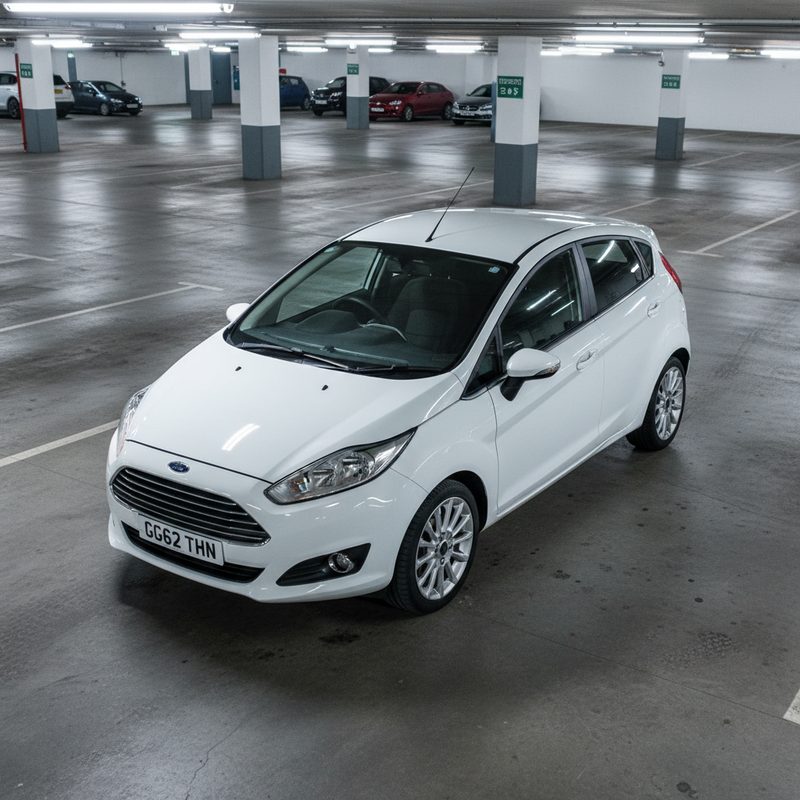
2015-2017 Mk7 Facelift: The Sweet Spot for Budget Buyers
If you are spending under £7,000, this is the Fiesta to get. The Mk7 facelift addressed the early EcoBoost coolant issues, tidied up the interior, and added more standard equipment. The 1.0 EcoBoost engine in this period is proven and reliable, with the teething problems ironed out.
If you are weighing up alternatives, our guide to Used Nissan Qashqai or Kia Sportage? True Running Cost Comparison covers similar ground from a different angle.
You will find plenty of these on the market in the £4,500-£7,000 range, depending on mileage and trim. Zetec is the trim to go for -- it gives you alloys, air conditioning, Bluetooth, and a decent infotainment system without pushing you into higher insurance groups.
Avoid the 1.25 and 1.6 petrol engines if you can. They are older designs and nowhere near as efficient or enjoyable as the EcoBoost.
For more on this topic, take a look at our Ford Fiesta vs Vauxhall Corsa guide.
2019-2020 Mk8: The Best All-Round Fiesta
The Mk8 Fiesta arrived in 2017 and it was a massive step forward in terms of interior quality, technology, and refinement. However, the very first Mk8s had some software niggles with the SYNC 3 infotainment system and the odd build quality inconsistency.
By 2019, these issues were sorted. The 2019-2020 Fiesta in Titanium or Trend trim is a genuinely excellent small car. The 1.0 EcoBoost with 100PS is the engine to have -- powerful enough for motorway work, frugal enough for the daily commute, and smooth as anything.
You might also find our BMW X3 vs Audi Q5 guide useful alongside this one.
Expect to pay £9,000-£12,000 for a good one, which is serious money for a supermini but reflects how much car you are getting.
2013-2014 Mk7: The Bargain Pick (With a Caveat)
These are now firmly in bargain territory at £2,500-£4,500. They are great little cars, but if you are looking at an EcoBoost from this period, make absolutely sure the coolant recall work has been done. Check the service records carefully. If the owner cannot prove it, either walk away or budget £200-£300 for a coolant system overhaul as a precaution.
We have covered related ground in our Toyota Yaris vs Honda Jazz guide, which is worth reading if this subject interests you.
Ford Fiesta -- Years to Approach With Caution
2011-2012 EcoBoost Models
These were the first cars to get the 1.0 EcoBoost engine, and while the engine itself is brilliant, the early cooling system design was flawed. Coolant hose degas connections could fail without warning, leading to rapid overheating and potentially catastrophic engine damage. Ford addressed this with updated parts and recalls, but not every car will have had the work done.
If the price looks too good to be true on a 2011-2012 EcoBoost, there is usually a reason. Tread carefully.
You can check any car's full MOT history for free on GOV.UK before arranging a viewing.
2008-2009 Early Mk7
The first Mk7 Fiestas are now getting on in years, and many have covered substantial mileage. The non-turbo 1.25 and 1.4 engines are getting tired at this age, and interior trim quality was not as good as later cars. They are cheap, but you are buying a car that is pushing 17 years old. There are better options for the money.
Vauxhall Corsa -- The Best Years to Buy
2016-2018 Mk4 Facelift: The Reliable Middle Ground
The Mk4 Corsa was facelifted in 2014, but the 2016-2018 cars represent the most refined version. The Adam Opel era of engineering brought improvements to build quality, and the 1.4 turbo engine option added some much-needed pep. These cars also benefit from having most of the early Mk4 issues sorted at the factory.
You can look up the exact insurance group for any car on Thatcham's website before getting quotes.
You will find them for £5,000-£8,000, which is good value. The SRi trim with the 1.4 turbo is the one I would recommend -- it is fun to drive without being too expensive to insure.
2020-2021 Mk5: A Completely Different Car
The Mk5 Corsa, launched in late 2019, is built on an entirely different platform shared with the Peugeot 208. It is genuinely a class above the outgoing model in every measurable way -- ride quality, refinement, technology, and build quality all took a massive leap forward.
The FCA has a useful guide to car finance that explains your rights and what to watch for.
The 1.2 PureTech turbo engine is efficient and punchy, and there is even a fully electric Corsa-e if that appeals. Early used examples are available from £11,000-£14,000, and they represent strong value against buying new.
The only caveat is that these are still relatively young cars, so long-term reliability data is limited. But the underlying Peugeot-Citroen engineering has a decent track record.
2010-2012 Mk4 (Pre-Facelift): Budget Champion
If your budget is under £3,000, this is the Corsa era to target. These are plentiful, cheap to buy, and the 1.2 and 1.4 engines are mechanically simple. Yes, they have the common Corsa niggles -- coil packs, thermostat housings, suspension bushes -- but these are all cheap fixes, and at this price point, you have got budget left over for a bit of preventative maintenance.
Stick with the manual gearbox. Avoid the Easytronic automated manual at all costs.
Vauxhall Corsa -- Years to Approach With Caution
2006-2008 Early Mk4
The earliest Mk4 Corsas are now ancient, and many have not aged well. Electrical gremlins, failing power steering modules, and general wear and tear make these a gamble. You can pick them up for under £1,500, but you will likely spend that again in repairs within the first year.
2014-2015 Post-Facelift Transition
The 2014 facelift was mostly cosmetic, and some cars from this period have an odd mix of old and new components. Quality control was inconsistent during this transition, and I have seen more issues with 2014-2015 models than with the cars either side of them. If possible, aim for 2016 onwards.
Head to Head -- Best Year vs Best Year
If I had £6,000 to spend and I had to choose between these two, I would go for a 2016-2017 Ford Fiesta 1.0 EcoBoost Zetec. It is the sweeter car to drive, the more efficient choice, and it has the better reliability record. But a 2017-2018 Corsa 1.4 Turbo SRi would be a very close second, and you might find one in better condition or with lower mileage for the same money.
If I had £12,000, I would seriously consider the 2020-2021 Mk5 Corsa. It is the newer, more modern car, and it represents a bigger step forward from its predecessor than the Mk8 Fiesta does from the Mk7.
Dave's Final Advice
Whichever year and model you settle on, the single most important thing you can do is verify the car's history before you buy. A best-year Fiesta with hidden finance is worse than a worst-year Corsa with a clean record. Use Dave's vehicle check to confirm mileage, check for outstanding finance, verify the car has not been written off, and make sure it is not recorded as stolen. It takes two minutes and it is the smartest money you will spend in the entire buying process.
Check Ford Fiesta, instantly with Dave's free vehicle intelligence report.
Check whichever you're considering with Dave