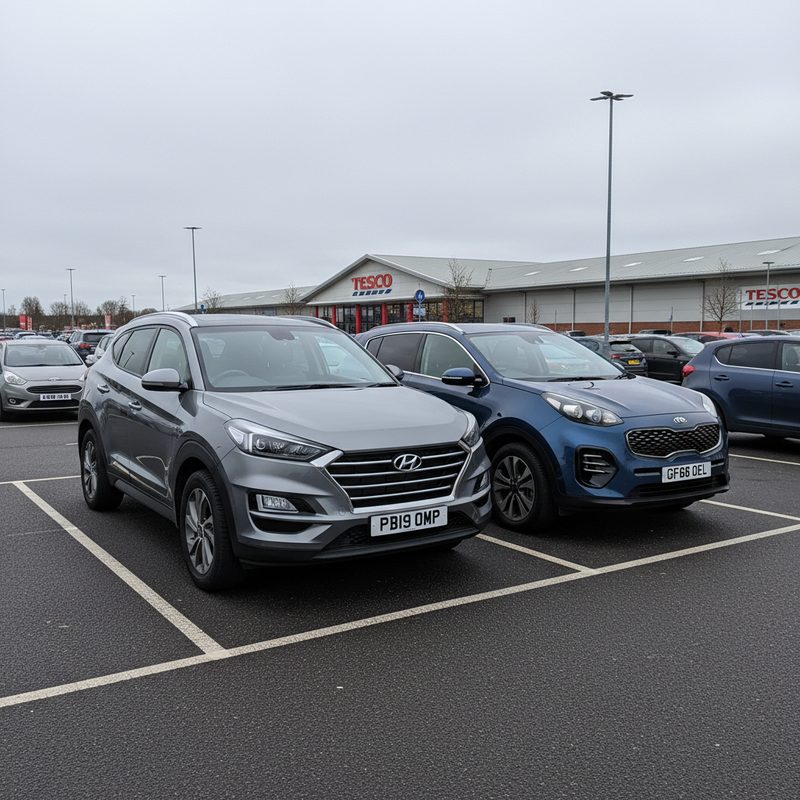
Ford Kuga vs VW Tiguan: Mid-Size SUV Face-Off
Dive into our comprehensive comparison of the Ford Kuga and VW Tiguan, covering everything from running costs to practicality and reliability.
Quick Verdict
When it comes to mid-size SUVs, the Ford Kuga and VW Tiguan are two heavyweights that often find themselves in the same ring. Both offer a blend of practicality, comfort, and technology, but they cater to slightly different tastes and needs. If you’re after a more engaging driving experience with a spacious interior, the Ford Kuga might just edge it for you. On the other hand, if you value a premium feel and a strong reputation for reliability, the VW Tiguan could be your best bet. Ultimately, the choice boils down to personal preference, but let’s dive deeper into the specifics to help you make an informed decision.
Running Costs Compared
Insurance
Insurance costs can vary significantly between the Kuga and the Tiguan, largely due to their differing profiles and engine options. Generally, the Ford Kuga tends to sit in a lower insurance group compared to the VW Tiguan. For instance, a Kuga might fall into groups 10-20, while the Tiguan often ranges from groups 15-30, depending on the engine and trim level. This means you could save a few quid on premiums with the Kuga, which is worth considering if you’re on a budget.
Fuel Economy
Fuel efficiency is another crucial factor for many buyers. The Kuga offers a range of petrol and diesel engines, with the diesel variants providing impressive fuel economy figures, often achieving around 50-60 mpg. The Tiguan, while also efficient, tends to be slightly less economical, particularly in its petrol variants, which can average around 40-50 mpg. If you’re doing a lot of miles, the Kuga’s diesel engines could save you a fair bit at the pump.
Servicing and Maintenance
When it comes to servicing, both vehicles are relatively similar in terms of costs. However, the Ford Kuga generally has a slight edge here, as parts and servicing can be a bit cheaper compared to the VW Tiguan, which can sometimes carry a premium due to its brand reputation. Expect to pay around £250-£350 for a full service on the Kuga and slightly more for the Tiguan, especially if you opt for a main dealer.
In summary, if running costs are a primary concern, the Ford Kuga is likely to be the more economical choice overall.
Reliability Compared
MOT Pass Rates
Reliability is a key consideration when buying a used car, and both the Kuga and Tiguan have their strengths. According to recent data, the Ford Kuga has a respectable MOT pass rate of around 80%, while the VW Tiguan boasts an impressive pass rate of about 85%. This suggests that the Tiguan may have the edge in terms of reliability, but it’s essential to consider the specific model year and maintenance history of any used vehicle you’re looking at.
Common Issues
Each model has its share of common issues. The Kuga has been known to face problems with the diesel particulate filter (DPF) and occasional electrical gremlins, particularly in earlier models. On the other hand, the Tiguan has been reported to have issues with its DSG automatic gearbox and some electrical components as well. It’s crucial to check the service history and any recalls for the specific vehicle you’re considering, as these can significantly impact reliability.
In conclusion, while both vehicles have their quirks, the Tiguan’s slightly higher MOT pass rate and reputation for reliability may make it the safer bet for long-term ownership.
Practicality Compared
Boot Space
When it comes to practicality, boot space is often a deciding factor for families and those needing to haul gear. The Ford Kuga offers a generous boot capacity of around 456 litres with the seats up, expanding to about 1,603 litres with the rear seats folded down. The VW Tiguan, however, has a slightly larger boot, starting at around 520 litres and expanding to 1,655 litres. If you regularly carry large loads or have a growing family, the Tiguan’s extra space could be a significant advantage.
Comfort
Both vehicles provide a comfortable ride, but they do so in different ways. The Kuga is often praised for its sporty driving dynamics and supportive seats, making it a pleasure on winding roads. The Tiguan, meanwhile, leans more towards a plush, refined ride, with a focus on comfort and a quieter cabin. If you’re after a more engaging driving experience, the Kuga might suit you better, but for long-distance comfort, the Tiguan could be the winner.
Tech Features
In terms of technology, both the Kuga and Tiguan come well-equipped, but the Tiguan often has the edge with its more advanced infotainment system. The VW’s system is generally more intuitive and responsive, featuring a larger touchscreen and better smartphone integration. The Kuga’s system is decent but can feel a bit dated in comparison. However, both vehicles offer essential features like Bluetooth, navigation, and various driver assistance systems, so you won’t be left wanting in either case.
Value for Money: Which Depreciates Less
Depreciation is a critical factor to consider when buying a used car, as it can significantly affect your investment. Generally, the Ford Kuga tends to depreciate faster than the VW Tiguan. This means you might find a Kuga at a more attractive price point, but it could lose value more quickly. The Tiguan, being a premium brand, holds its value better over time, which can be beneficial if you plan to sell it on in a few years.
For example, a three-year-old Kuga might be worth around £15,000, while a similar Tiguan could fetch closer to £18,000. If you’re looking for a bargain and don’t mind the potential for quicker depreciation, the Kuga could be the way to go. However, if you want something that retains its value better, the Tiguan is likely the smarter investment.
Dave's Final Call with Specific Scenarios
Commuter
If you’re primarily using your SUV for commuting, the Ford Kuga might be the better choice. It offers a more engaging driving experience, decent fuel economy, and lower insurance costs, making it a practical option for daily drives. Plus, the Kuga’s sporty handling can make your commute a bit more enjoyable.
Family
For families, the VW Tiguan shines with its larger boot space and overall comfort. If you’re often carting kids, prams, and all the associated paraphernalia, the Tiguan’s extra room will be a blessing. Additionally, its reputation for reliability can provide peace of mind when transporting your loved ones.
Weekend Adventurer
If you’re the type who enjoys weekend getaways or outdoor adventures, both vehicles have their merits. The Kuga’s sporty nature makes it a fun drive on twisty country roads, while the Tiguan’s comfort and space can accommodate all your gear. If you plan on doing a lot of off-roading, consider the Kuga’s optional all-wheel-drive system for added capability.
Budget Buyer
For budget-conscious buyers, the Ford Kuga may be the more appealing option due to its lower purchase price and running costs. You can often find well-maintained used models at competitive prices, making it a great entry point into the mid-size SUV market.
Conclusion
In the battle of the Ford Kuga vs VW Tiguan, both vehicles have their strengths and weaknesses. The Kuga is a fantastic choice for those who value driving dynamics, lower running costs, and a sporty feel, while the Tiguan excels in comfort, technology, and overall practicality. Ultimately, your choice will depend on your specific needs and preferences.
Before making a decision, I highly recommend checking out any used car with Dave's free vehicle intelligence report. It’ll give you the lowdown on the car’s history, any potential issues, and help you make a more informed choice. Happy car hunting!