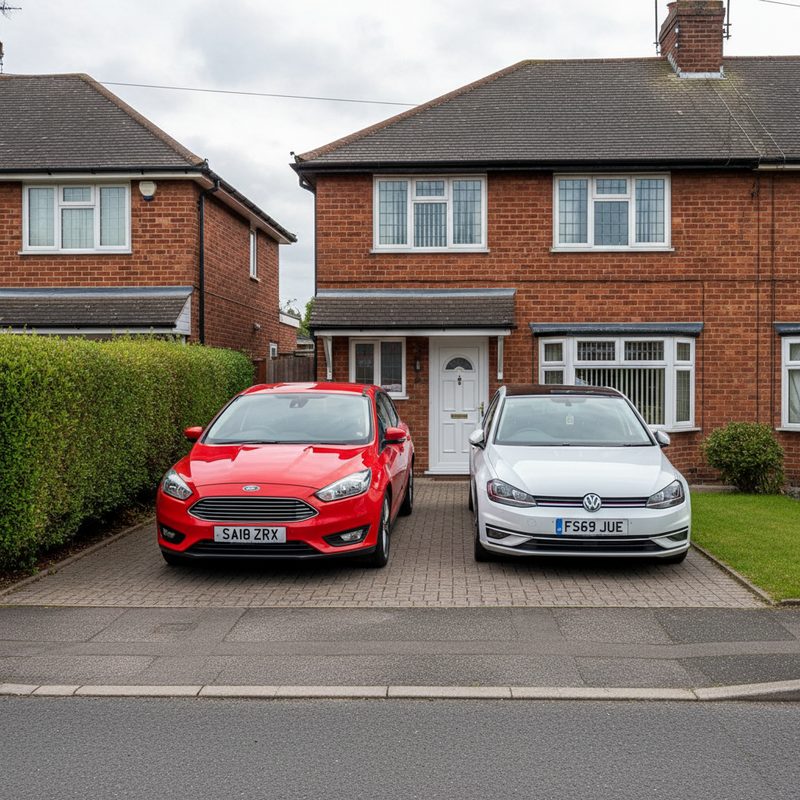
VW Golf vs SEAT Leon: Same Car Different Badge
This guide compares the VW Golf and SEAT Leon, two popular hatchbacks, focusing on running costs, reliability, practicality, and overall value.
Introduction
When it comes to compact hatchbacks, the VW Golf and SEAT Leon are two names that often come up in conversation. Both vehicles share a similar platform, which means they have a lot in common under the skin. However, they cater to slightly different audiences and come with their own unique characteristics. If you're feeling overwhelmed by the choice between these two models, you're not alone. This guide will break down the key differences and similarities, helping you make an informed decision.
Quick Verdict
In the battle of the VW Golf versus SEAT Leon, there isn't a clear-cut winner; it really depends on what you're looking for in a car. The Golf is often seen as the more premium option, with a reputation for quality and refinement, while the Leon offers a sportier design and a slightly lower price point. If you value brand prestige and a more upscale interior, the Golf may be your best bet. However, if you’re after a stylish car with a good balance of features and affordability, the Leon could be the one for you. Ultimately, both cars are excellent choices in their own right.
Running Costs Compared
Insurance
When it comes to insurance, both the VW Golf and SEAT Leon are relatively affordable compared to other vehicles in their class. The Golf typically falls into insurance groups ranging from 10 to 20, depending on the engine and trim level. On average, you might expect to pay between £600 to £800 annually for insurance on a used Golf.
The Leon, on the other hand, generally sits in a similar insurance bracket, with groups ranging from 8 to 18. This means that insuring a Leon could be slightly cheaper, with annual premiums averaging between £550 to £750. If budget is a primary concern, the Leon may have a slight edge here.
If you are weighing up alternatives, our guide to BMW iX3 vs Mercedes EQA covers similar ground from a different angle.
Fuel Costs
Fuel efficiency is another crucial factor when considering running costs. The VW Golf has a strong reputation for fuel economy, especially with its TDI diesel engines, which can achieve up to 70 mpg on the motorway. Petrol variants are also efficient, with many models averaging around 50-60 mpg.
The SEAT Leon, sharing engines with the Golf, also boasts impressive fuel economy. The diesel models can achieve similar figures, while the petrol variants offer comparable mpg ratings. In real-world terms, you can expect to spend about £1,200 to £1,500 annually on fuel for either vehicle, depending on your driving habits.
Servicing and Maintenance
Both cars benefit from Volkswagen Group's extensive dealer network, which means servicing is generally straightforward. The Golf may have slightly higher servicing costs due to its premium positioning, with annual servicing costs averaging around £300 to £400. The SEAT Leon, being a bit more budget-friendly, often sees servicing costs in the range of £250 to £350.
For more on this topic, take a look at our Hyundai i10 vs Kia Picanto guide.
In summary, while both cars are relatively economical to run, the SEAT Leon may offer lower insurance and servicing costs, making it a more budget-friendly option in the long run.
Reliability Compared
MOT Pass Rates
Reliability is a significant concern for many used car buyers. According to recent data, both the VW Golf and SEAT Leon have impressive MOT pass rates, typically hovering around 80-85%. The Golf, however, has a slight edge in reliability, often praised for its build quality and longevity. Many owners report that their Golfs have lasted well over 150,000 miles with proper maintenance.
The Leon, while also reliable, has been noted to have some issues with electrical components in earlier models. However, the newer models have shown improved reliability, making them a solid choice as well.
You might also find our Peugeot 208 vs Renault Clio guide useful alongside this one.
Common Issues
When considering common issues, the VW Golf has been known to have problems with the DSG automatic gearbox in some models, particularly those manufactured before 2015. Other issues can include electrical faults and wear on suspension components. However, these problems are not widespread and can often be mitigated with regular servicing.
The SEAT Leon has had its share of issues as well, particularly with the infotainment system and some engine variants. However, the newer models have addressed many of these concerns, making them a reliable option for buyers. Overall, both vehicles are reliable, but the Golf tends to have a slightly better reputation in this department.
Practicality Compared
Boot Space
When it comes to practicality, boot space is a crucial factor for many buyers. The VW Golf offers a boot capacity of around 380 litres, which is quite generous for a compact hatchback. This space is perfect for grocery runs or weekend trips away.
We have covered related ground in our Toyota Corolla vs VW Golf guide, which is worth reading if this subject interests you.
The SEAT Leon, on the other hand, has a slightly larger boot at approximately 380 to 400 litres, depending on the model year. This extra space can be beneficial for families or those who frequently transport larger items. Both vehicles feature a practical hatchback design, making loading and unloading a breeze.
Comfort
Comfort is another area where both cars excel. The VW Golf is often praised for its high-quality interior materials and comfortable seating. The driving position is excellent, and the cabin is generally quiet, making it a great option for long journeys.
The SEAT Leon, while slightly sportier in design, also offers a comfortable ride. The seats are supportive, and the driving position is good, but some may find the interior materials not quite as plush as those in the Golf. However, the Leon's sportier feel may appeal to younger drivers or those who enjoy a more engaging driving experience.
You can check the exact safety score for any model on the Euro NCAP website.
Technology
Both the Golf and Leon come equipped with modern technology, including touchscreen infotainment systems, smartphone connectivity, and advanced safety features. The Golf's system is often regarded as more user-friendly, while the Leon's interface is slightly more modern in appearance. Both vehicles offer a range of tech options, including navigation, adaptive cruise control, and parking assistance, making them competitive in this area.
Value for Money: Which Depreciates Less
Depreciation is a critical factor to consider when purchasing a used car. The VW Golf has historically held its value well, often retaining around 50-60% of its original value after three years. This strong resale value can make it a wise investment for buyers looking to sell or trade-in in the future.
The SEAT Leon, while still retaining value, typically depreciates a bit faster than the Golf. After three years, you might expect the Leon to retain around 45-55% of its original value. This means that while the Leon may be cheaper to buy initially, the Golf could be a better long-term investment.
If things go wrong after purchase, Citizens Advice can help you understand your legal rights.
When considering value for money, it’s essential to weigh the initial purchase price against potential resale value. If you plan to keep your car for a long time, the Leon may be the better choice, but if you’re looking for a car that will hold its value, the Golf is the way to go.
Dave's Final Call with Specific Scenarios
Commuter
For a commuter, the choice between the Golf and Leon may come down to personal preference. If you value comfort and a more refined driving experience, the VW Golf is an excellent choice. Its fuel economy and reliability make it ideal for daily driving. However, if you want something sportier and potentially cheaper to insure, the SEAT Leon could be the better option.
Family
For families, the SEAT Leon may edge out the Golf slightly due to its larger boot space and slightly lower running costs. Both cars offer ample rear seat space, but the Leon's practicality may make it more suitable for family outings. However, if you prefer a more premium feel and are willing to pay a bit more, the Golf is still a fantastic family car.
First-Time Buyer
If you’re a first-time buyer, the SEAT Leon could be the more appealing option due to its lower price point and sporty design. It’s a fun car to drive and offers good features for the money. However, if you’re looking for something that feels more established and has a reputation for reliability, the VW Golf is a solid choice.
Conclusion
In conclusion, both the VW Golf and SEAT Leon have their strengths and weaknesses, making them excellent choices in the compact hatchback segment. The Golf is often seen as the more premium option with better resale value, while the Leon offers a sportier design and potentially lower running costs. Ultimately, your choice will depend on your personal preferences and needs.
Before making a decision, I highly recommend checking any used car with Dave's free vehicle intelligence report. This tool will provide you with valuable insights into the car's history, helping you make a smarter, more informed choice. Happy car hunting!