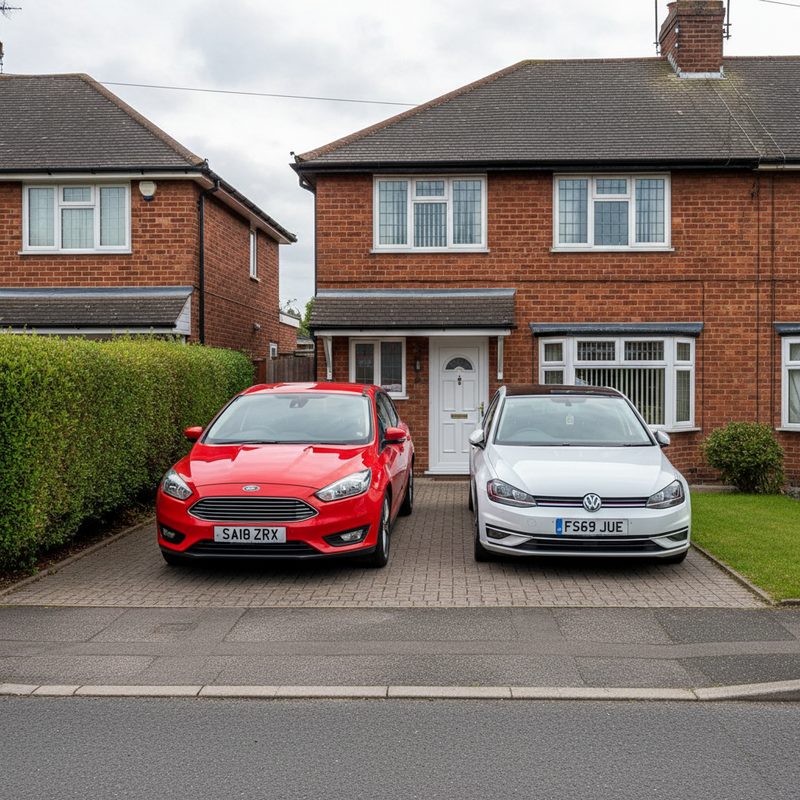
Ford Focus vs VW Golf: Which Is the Better Used Buy
Dive into the ultimate showdown between the Ford Focus and VW Golf, comparing running costs, reliability, practicality, and value for money to help you make an informed decision.
Quick Verdict: The Showdown
When it comes to the battle of the hatchbacks, the Ford Focus and VW Golf are two titans that have been duking it out for years. Both offer a solid blend of performance, comfort, and practicality, making them popular choices in the used car market. But which one comes out on top?
If you’re after a car that’s fun to drive, offers a bit more character, and generally comes in at a lower price point, the Ford Focus might just be your best bet. On the other hand, if you’re looking for a car that screams quality, has a more premium feel, and boasts excellent resale value, the VW Golf could be the one for you.
In this guide, we’ll delve into the nitty-gritty details of both cars, comparing running costs, reliability, practicality, and value for money. By the end, you’ll be armed with the knowledge to make an informed decision. So, let’s get cracking!
Running Costs Compared: The Price of Ownership
When it comes to running costs, you want to ensure that your chosen vehicle won’t drain your wallet faster than a pint at the pub. Both the Ford Focus and VW Golf have their strengths, but let’s break it down into the three main components: insurance, fuel, and servicing.
Insurance
Insurance premiums can vary significantly based on factors like your age, driving history, and where you live. Generally, the Ford Focus tends to sit in a lower insurance group compared to the VW Golf. For example, a 2018 Ford Focus might fall into group 15, while a similar VW Golf could be in group 18 or 19. This means you could save a few quid each year with the Focus.
Fuel Costs
In terms of fuel economy, both cars perform admirably, but the Golf often edges out slightly ahead. The latest Ford Focus models boast an average of around 50-55 mpg, while the VW Golf can achieve an impressive 55-60 mpg, depending on the engine choice. If you’re planning on clocking up the miles, that extra few miles per gallon can add up to significant savings over time.
If you are weighing up alternatives, our guide to Audi Q3 vs Mercedes GLA covers similar ground from a different angle.
Servicing
When it comes to servicing costs, the Ford Focus generally has the upper hand. Parts for the Focus tend to be more affordable, and many independent garages are well-versed in servicing them, which can keep labour costs down. On the flip side, VW parts can be pricier, and while they’re built to last, you might find yourself forking out more for repairs down the line.
In summary, if you’re looking for a car that’s cheaper to insure and service, the Ford Focus is your friend. However, if fuel economy is your primary concern, the VW Golf might just take the crown.
Reliability Compared: Built to Last?
Reliability is a crucial factor when buying a used car. You want to ensure that your new wheels won’t leave you stranded on the side of the road like a bad date. Let’s take a closer look at the reliability of both the Ford Focus and VW Golf, focusing on MOT pass rates and common issues.
MOT Pass Rates
According to recent statistics, the Ford Focus has a respectable MOT pass rate of around 80%. This is quite commendable, especially for a car that’s been around for decades. The VW Golf, however, boasts an even higher pass rate, often hovering around 85-90%. This suggests that, on average, Golfs are slightly less likely to face issues during their annual checks.
Common Issues
Both cars have their quirks, but the Ford Focus is known for a few common issues, such as problems with the clutch and electrical gremlins in older models. However, these issues are typically manageable, and many owners report that they’ve had a good run with their Focuses.
For more on this topic, take a look at our BMW X1 vs Audi Q3 guide.
The VW Golf, on the other hand, has been known to suffer from issues with the DSG gearbox and some electrical components, particularly in earlier models. While these problems can be a pain, they’re not universal, and many Golf owners have enjoyed trouble-free motoring.
In the reliability stakes, the VW Golf takes the lead with a higher MOT pass rate, but the Ford Focus isn’t far behind. Both cars have their share of potential issues, so it’s essential to check the service history and get a vehicle inspection before making a purchase.
Practicality Compared: Space and Comfort
When it comes to practicality, you want a car that fits your lifestyle. Whether you’re a commuter, a family person, or a weekend adventurer, let’s see how the Ford Focus and VW Golf stack up in terms of boot space, comfort, and tech features.
Boot Space
Boot space is a significant consideration, especially if you’re planning on carting around kids, pets, or the occasional flat-pack furniture. The Ford Focus offers a boot capacity of around 375 litres, which is decent for a hatchback. The VW Golf, however, has a slightly larger boot at around 380 litres, giving it a slight edge in this department.
Comfort
Both cars offer a comfortable ride, but the VW Golf tends to have a more premium feel, with higher-quality materials and a quieter cabin. The Focus, while comfortable, can feel a bit more utilitarian in comparison. If you’re planning on long journeys, the Golf might be the more comfortable option.
You might also find our Ford Fiesta vs VW Polo guide useful alongside this one.
Tech Features
In terms of technology, both cars are well-equipped, but the VW Golf often comes with more advanced features, especially in higher trims. Features like adaptive cruise control, lane-keeping assist, and a more intuitive infotainment system are often found in the Golf. The Ford Focus, however, has made significant strides in recent years, and you’ll find plenty of tech options in newer models, including Ford’s SYNC infotainment system.
For practicality, the VW Golf edges ahead with slightly more boot space and a more premium feel, but the Ford Focus is still a solid choice, especially if you’re after a fun driving experience.
Value for Money: Depreciation and Resale
When it comes to buying a used car, value for money is key. You want a car that won’t lose its value faster than you can say “regret.” Let’s take a look at how the Ford Focus and VW Golf compare in terms of depreciation and resale value.
Depreciation Rates
Both cars hold their value reasonably well, but the VW Golf tends to depreciate at a slower rate compared to the Ford Focus. This is largely due to its reputation for quality and reliability, which keeps demand high in the used car market. On average, you might find that a three-year-old Golf retains around 60-65% of its original value, while a similar Focus might only hold onto about 55-60%.
Resale Value
If you’re planning to sell your car in a few years, the Golf is likely to fetch a better price. This is particularly true if you opt for a well-maintained model with a full service history. The Focus, while still a popular choice, may not command the same prices due to its slightly higher depreciation rate.
We have covered related ground in our Ford Fiesta vs Vauxhall Corsa guide, which is worth reading if this subject interests you.
In terms of value for money, the VW Golf takes the lead, especially if you’re looking for a car that will hold its value better over time. However, if you’re looking for a more affordable initial purchase price, the Ford Focus is hard to beat.
Dave's Final Call: Which One for You?
Now that we’ve covered all the bases, let’s wrap things up with a few specific scenarios to help you decide which car is right for you.
For the Commuter
If you’re a daily commuter looking for a reliable, economical car, the Ford Focus might be your best bet. It’s fun to drive, cheaper to insure, and has lower servicing costs. Plus, it offers a comfortable ride for those long journeys. Just make sure to check the service history for any potential issues.
For the Family
If you’ve got a family to cart around, the VW Golf is likely the better choice. With its slightly larger boot space, premium feel, and advanced tech features, it’s perfect for family outings. Plus, its higher MOT pass rate means you’re less likely to face unexpected repairs.
For the Budget-Conscious Buyer
If you’re on a tight budget, the Ford Focus is a fantastic option. It generally comes in at a lower price point, and you’ll save on insurance and servicing. Just be mindful of the specific model year and check for any common issues.
For the Tech Lover
If you’re someone who loves tech and wants a car that feels modern and advanced, the VW Golf is the way to go. With its intuitive infotainment system and available driver assistance features, it’s hard to beat.
In conclusion, both the Ford Focus and VW Golf have their merits, and the right choice ultimately depends on your individual needs and preferences. Whichever you choose, make sure to check out Dave's free vehicle intelligence report to ensure you’re making a smart purchase. Happy car hunting!