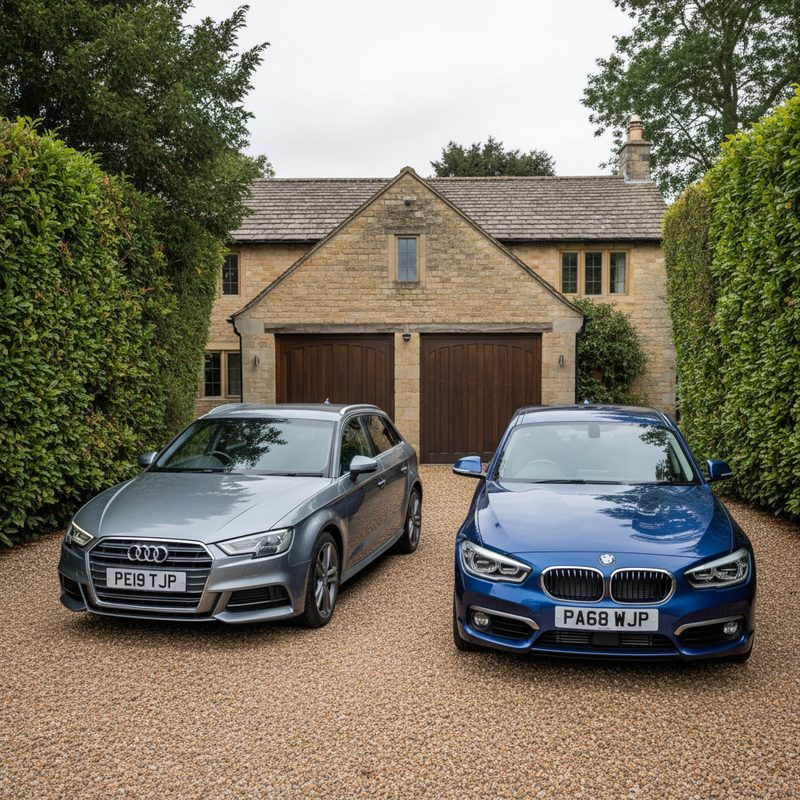
Audi A3 vs Mercedes A-Class — Which Premium Hatch Wins
In this detailed comparison, we pit the Audi A3 against the Mercedes A-Class to see which premium hatchback comes out on top in terms of running costs, reliability, and overall value.
Quick Verdict
When it comes to choosing between the Audi A3 and the Mercedes A-Class, it’s a tough call, but I’m going to stick my neck out and say the Audi A3 takes the crown. While both cars ooze premium vibes and offer a delightful driving experience, the A3 edges ahead with its superior practicality and slightly better running costs. However, if you’re after a car that feels a bit more luxurious and stylish, the A-Class might just steal your heart. Let’s dive deeper into what makes each of these hatchbacks tick.
Running Costs Compared
Let’s be honest: no one enjoys discussing running costs, but they’re crucial when it comes to choosing a used car. After all, you don’t want to be forking out your hard-earned cash on insurance, fuel, and servicing when you could be spending it on a cheeky weekend away instead.
Insurance Groups
Both the Audi A3 and Mercedes A-Class sit comfortably in the premium hatchback insurance brackets, but there are some differences worth noting. The A3 generally falls into insurance groups 20-30, while the A-Class can range from 22-36, depending on the model and engine variant. This means that the A3 might be slightly cheaper to insure overall, which is a win for your wallet.
Real-World MPG
Fuel efficiency is another area where these two contenders have their own strengths. The A3, particularly with its 2.0 TDI diesel engine, can achieve around 55-60 mpg in real-world conditions, making it a great option for those who do a lot of motorway driving. On the other hand, the A-Class, especially the A180d, offers similar figures, hovering around the 55-57 mpg mark.
If you are weighing up alternatives, our guide to Toyota C-HR vs Nissan Qashqai covers similar ground from a different angle.
Servicing Costs
Servicing costs can vary significantly between the two, so it’s worth doing your homework. The A3 tends to have slightly lower servicing costs, averaging around £300-£400 per year, while the A-Class can be a bit pricier, coming in at around £350-£450. That said, both brands are known for their quality, so you’re unlikely to face any nasty surprises.
Tyre Prices
Tyre prices can also be a hidden cost that catches you off guard. Generally, both cars use similar tyre sizes, with prices ranging from £70-£120 per tyre, depending on the brand and performance level you choose. However, the A-Class, with its sportier trim options, might require more premium tyres, which can push the cost up a notch.
| Cost Category | Audi A3 | Mercedes A-Class |
|---|---|---|
| Insurance Groups | 20-30 | 22-36 |
| Real-World MPG | 55-60 | 55-57 |
| Annual Servicing Cost | £300-£400 | £350-£450 |
| Tyre Prices | £70-£120 per tyre | £70-£120 per tyre |
For more on this topic, take a look at our Ford Puma vs VW T-Roc guide.
Reliability Compared
Reliability is a biggie when it comes to used cars. You want something that won’t leave you stranded at the side of the road, looking like a right muppet. Both the Audi A3 and Mercedes A-Class have solid reputations, but let’s break down the specifics.
MOT Pass Rates
According to the latest data, the Audi A3 boasts a commendable MOT pass rate of around 83%, while the A-Class isn’t far behind at about 80%. This suggests that both cars are generally reliable, but the A3 has a slight edge. If you want to check the MOT history of a specific model, you can do so on the GOV.UK MOT history website.
Common Failure Points
Every car has its Achilles' heel, and knowing these can save you a lot of headaches down the line. For the A3, common issues include electrical problems, particularly with the infotainment system, and wear on the suspension components. The A-Class, on the other hand, has been known to suffer from issues with the turbocharger and some engine variants experiencing oil leaks.
You might also find our Hyundai i30 vs Kia Ceed guide useful alongside this one.
What Actually Breaks
In terms of what actually breaks, the A3 tends to have fewer major issues reported, with many owners praising its durability. The A-Class, while still a solid choice, has had reports of more frequent minor faults, which can be annoying but not necessarily catastrophic. If you’re considering a used model, it’s worth checking the DVLA vehicle check to see if there are any outstanding recalls or issues.
Practicality Compared
Now let’s get down to the nitty-gritty of practicality. After all, what’s the point of a premium hatch if it can’t carry your shopping or your mates?
Boot Space
The Audi A3 offers a boot capacity of around 380 litres, which is decent for a hatchback and should accommodate a weekly shop or a couple of suitcases for a weekend getaway. The A-Class, however, has a slightly smaller boot at around 370 litres. While the difference isn’t monumental, it could be a deciding factor if you regularly need to haul larger items.
We have covered related ground in our BMW X3 vs Audi Q5 guide, which is worth reading if this subject interests you.
Rear Legroom
When it comes to rear legroom, the A3 again has the edge. It offers a more spacious back seat, making it a better choice for families or anyone who regularly transports taller passengers. The A-Class, while still comfortable, can feel a bit cramped in the back, especially on longer journeys.
Infotainment
Both cars come with impressive infotainment systems, but the A-Class tends to have a more modern feel with its dual-screen setup, which looks fantastic and is easy to use. The A3’s system is also user-friendly but might feel a bit dated compared to the A-Class. However, if you’re a fan of physical controls, the A3’s layout might be more appealing.
Safety Kit
Safety is paramount, and both the A3 and A-Class come equipped with a range of safety features. The A-Class has a slight advantage here, as it often includes more advanced driver assistance systems as standard, such as lane-keeping assist and adaptive cruise control. The A3 also has a solid safety record but may require you to opt for higher trims to access the same level of tech.
You can check the exact safety score for any model on the Euro NCAP website.
| Practicality Feature | Audi A3 | Mercedes A-Class |
|---|---|---|
| Boot Space (litres) | 380 | 370 |
| Rear Legroom | More spacious | Slightly cramped |
| Infotainment System | User-friendly | Modern dual-screen |
| Safety Kit | Good, varies by trim | Excellent, more standard features |
Value for Money
Let’s face it: buying a premium hatchback is an investment, and you want to make sure you’re getting your money’s worth. Both the Audi A3 and Mercedes A-Class have their pros and cons when it comes to depreciation and overall value.
Depreciation Curves
Generally speaking, both cars hold their value well compared to other hatchbacks, but the A3 tends to depreciate at a slightly slower rate. This means that if you’re looking to sell in a few years, you might get a better return on your investment with the A3. The A-Class, while still a great option, tends to lose value a bit quicker, especially in the first few years.
If things go wrong after purchase, Citizens Advice can help you understand your legal rights.
Sweet-Spot Age to Buy
The sweet spot for buying either of these cars is typically around the 3-4 year mark. At this age, they’ve usually had their initial depreciation hit, but they still come with a good amount of warranty left. Plus, you’ll find a wider selection of models available, allowing you to pick the one that suits your needs best.
Dave's Final Call
So, who should you choose? If you’re a commuter who values practicality and slightly lower running costs, the Audi A3 is your best bet. It’s spacious, reliable, and has a solid reputation. However, if you’re after something that feels a bit more luxurious and stylish, the Mercedes A-Class might just win you over with its modern design and tech-savvy features.
For families, the A3’s extra rear legroom and boot space make it the more practical choice. On a budget? The A3 again has the edge with its lower insurance and servicing costs. But if you’re looking for a car that stands out in a crowd, the A-Class’s striking looks and advanced safety features might sway you.
In the end, both cars are excellent choices in the premium hatchback market. Whichever you decide, make sure to check any used model with Dave's free vehicle intelligence report to ensure you’re making a smart purchase. Happy car hunting!
Check any car with Dave's free vehicle intelligence report
Get Dave's free AI-powered vehicle check before you make a decision.