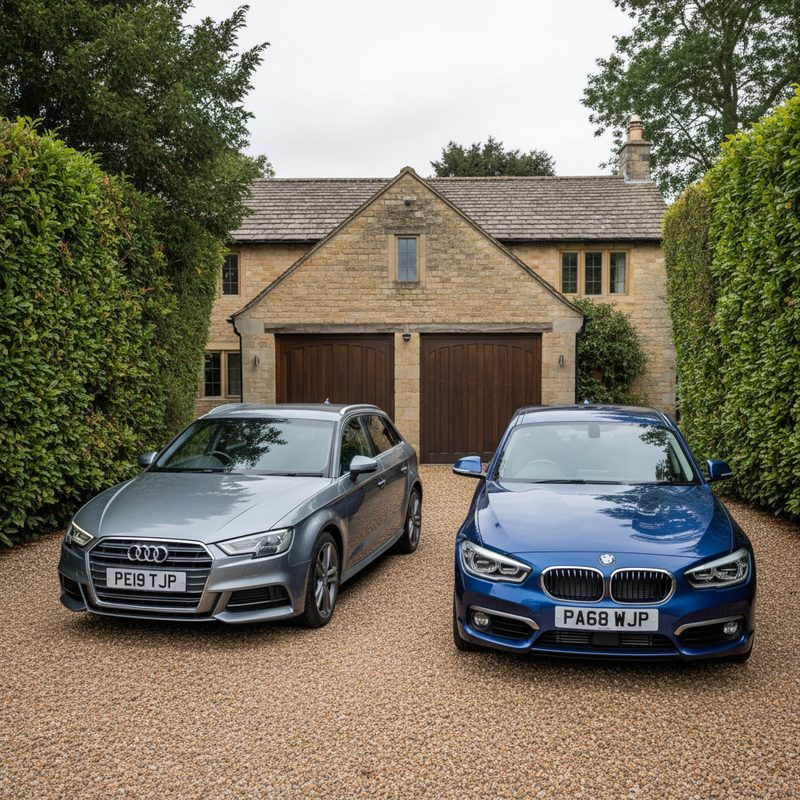
BMW 1 Series vs Mercedes A-Class: Small Premium Car Battle
In the battle of small premium cars, the BMW 1 Series and Mercedes A-Class stand out. This guide dives deep into their differences, helping you make an informed choice.
Quick Verdict
When it comes to small premium cars, the BMW 1 Series and the Mercedes A-Class are two of the most compelling options on the market. Both offer a blend of luxury, performance, and practicality, but they cater to slightly different tastes. The BMW 1 Series leans towards a sportier driving experience with its rear-wheel-drive layout, while the Mercedes A-Class excels in comfort and technology. If you prioritise driving dynamics and a more engaging experience, the BMW 1 Series is your best bet. However, if you prefer a plush interior with cutting-edge tech, the A-Class takes the crown.
Running Costs Compared
Understanding the running costs of these vehicles is crucial for any potential buyer. Both the BMW 1 Series and the Mercedes A-Class are premium cars, and while they offer a lot in terms of performance and luxury, they can also come with higher running costs compared to mainstream models. Here’s a breakdown of key running costs:
If you are weighing up alternatives, our guide to Nissan Qashqai vs Hyundai Tucson covers similar ground from a different angle.
Insurance Groups
Insurance costs can vary significantly based on the model and trim level. Generally, the BMW 1 Series sits in a slightly higher insurance group compared to the A-Class. For example, the 118i model falls into insurance group 22, while the A-Class A180 is in group 20. This difference can lead to a noticeable variation in premiums, especially for younger drivers.
Real-World MPG
Fuel efficiency is another critical factor. The BMW 1 Series, particularly the diesel variants, can achieve impressive MPG figures. The 116d model, for instance, can return around 60-65 MPG in real-world conditions. In contrast, the A-Class A180d offers similar figures, but the petrol variants, such as the A200, tend to be less efficient, averaging around 45-50 MPG.
Servicing Costs
Servicing costs for both vehicles can be on the higher side due to their premium nature. Typically, a service for the BMW 1 Series can range from £200 to £400 depending on the service type, while the Mercedes A-Class can cost between £250 and £450. It's worth noting that both brands offer service packages that can help mitigate these costs over time.
Tyre Prices
Tyre prices will depend on the size and type of tyres fitted. For both cars, expect to pay around £100 to £150 per tyre for quality brands. However, the BMW 1 Series might require slightly more expensive performance tyres if you opt for the sportier models.
| Cost Aspect | BMW 1 Series | Mercedes A-Class |
|---|---|---|
| Insurance Group | 22 (118i) | 20 (A180) |
| Real-World MPG | 60-65 (116d) | 55-60 (A180d) |
| Servicing Costs | £200 - £400 | £250 - £450 |
| Tyre Prices | £100 - £150 | £100 - £150 |
For more on this topic, take a look at our VW Golf vs Mercedes A-Class guide.
Reliability Compared
Reliability is a significant concern for many buyers, especially when considering a used vehicle. Both the BMW 1 Series and the Mercedes A-Class have solid reputations, but there are nuances worth discussing.
You might also find our Ford Fiesta vs Vauxhall Corsa Reliability guide useful alongside this one.
MOT Pass Rates
According to recent data, the BMW 1 Series has a MOT pass rate of around 80%, while the Mercedes A-Class sits slightly higher at about 82%. This suggests that the A-Class may have a slight edge in terms of reliability, but both cars generally perform well in this regard.
Common Failure Points
For the BMW 1 Series, common issues can include electrical faults, particularly with the infotainment system, and wear on suspension components, especially in older models. On the other hand, the A-Class has been known to have issues with the gearbox in some variants, particularly the automatic models. Regular maintenance and checks can help mitigate these issues.
What Actually Breaks
In terms of what tends to fail, the BMW 1 Series often sees problems with the turbocharger in diesel models, while the A-Class can experience issues with the air conditioning system. It's essential to check the service history of any used car you consider, as well-maintained vehicles are less likely to encounter these issues.
Practicality Compared
Practicality is another crucial factor when choosing between these two premium hatchbacks. Both cars offer a decent amount of space, but they cater to different needs.
We have covered related ground in our VW Golf vs Ford Focus Used guide, which is worth reading if this subject interests you.
Boot Space
The BMW 1 Series offers a boot capacity of around 360 litres, which is quite competitive for the class. The Mercedes A-Class, however, provides a slightly larger boot at 370 litres, making it a better option for those who frequently carry luggage or shopping.
Rear Legroom
When it comes to rear legroom, the A-Class again has the upper hand. It provides a more spacious feel in the back, accommodating taller passengers more comfortably. The BMW 1 Series, while not cramped, can feel a bit tighter, especially for taller individuals.
Infotainment and Technology
Both cars are equipped with modern infotainment systems, but they differ in execution. The BMW 1 Series features the iDrive system, which is intuitive but can take some getting used to. The A-Class, on the other hand, boasts the MBUX system, which is highly regarded for its user-friendly interface and voice command capabilities. If tech is a priority, the A-Class might be more appealing.
Safety Kit
In terms of safety, both vehicles come with a range of advanced safety features. The A-Class generally edges out with more standard safety technology, including active brake assist and lane-keeping assist, which are often optional extras on the BMW 1 Series.
| Practicality Aspect | BMW 1 Series | Mercedes A-Class |
|---|---|---|
| Boot Space (litres) | 360 | 370 |
| Rear Legroom | Adequate | More spacious |
| Infotainment | iDrive | MBUX |
| Safety Features | Good, but fewer | Excellent, more standard features |
You can check any car's full MOT history for free on GOV.UK before arranging a viewing.
Value for Money
When considering value for money, both the BMW 1 Series and the Mercedes A-Class have their strengths. Depreciation is a key factor to consider, as it affects the long-term value of your investment.
You can check the exact safety score for any model on the Euro NCAP website.
Depreciation Curves
Both cars depreciate at a similar rate, with the first three years seeing the most significant drop in value. Typically, you can expect both to lose around 40-50% of their value in the first three years. However, the BMW 1 Series tends to hold its value slightly better in the long run, particularly the sportier models, which are often sought after in the used market.
Sweet-Spot Age to Buy
For the best value, aim to buy a model that is around 2-3 years old. At this age, both cars will have already undergone the steepest depreciation, and you can often find well-maintained examples with a good service history. This is particularly true for the A-Class, which can be found at competitive prices on platforms like AutoTrader.
Dave's Final Call
Choosing between the BMW 1 Series and the Mercedes A-Class ultimately comes down to your personal preferences and needs. If you’re a driving enthusiast who values performance and handling, the BMW 1 Series is likely to be your top choice. It offers a more engaging driving experience, particularly in the sportier trims.
You can look up the exact insurance group for any car on Thatcham's website before getting quotes.
Conversely, if comfort, technology, and a plush interior are more important to you, the Mercedes A-Class is hard to beat. Its spacious cabin, advanced safety features, and user-friendly infotainment system make it an excellent choice for families or those who spend a lot of time on the road.
For those on a budget, both cars can be found at reasonable prices in the used market, but always ensure to check the vehicle history using tools like the DVLA vehicle check to avoid any nasty surprises. Additionally, consider obtaining a free vehicle intelligence report to assess the condition and history of any used car you’re considering.
In summary, both the BMW 1 Series and the Mercedes A-Class have their unique strengths. The best choice depends on what you value most in a small premium car. Whichever you choose, you’ll be driving a quality vehicle that offers a taste of luxury and performance.