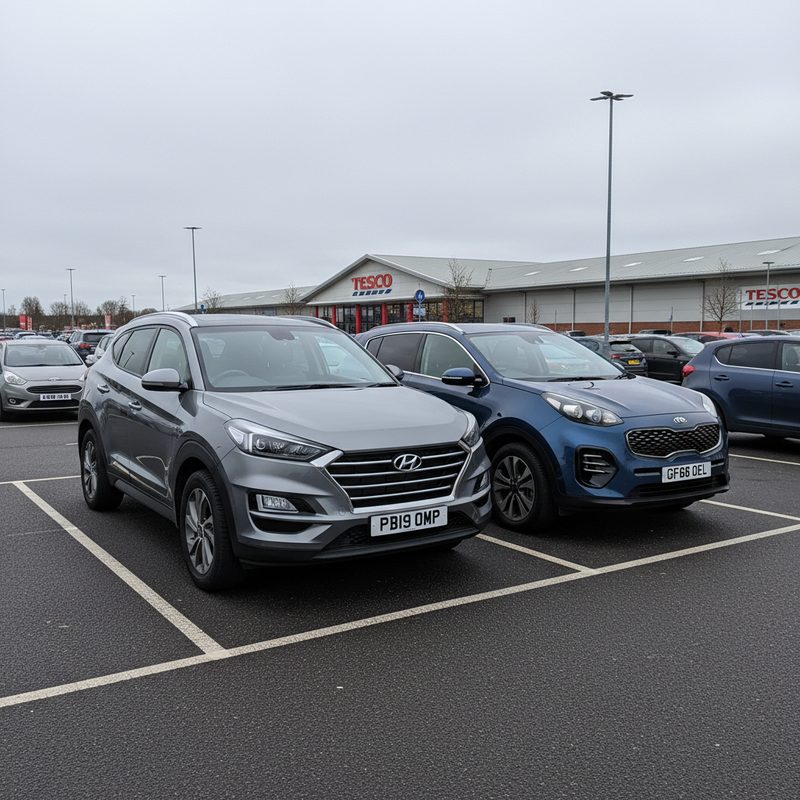
Nissan Qashqai vs Hyundai Tucson: Best-Selling SUVs Compared
This guide compares the Nissan Qashqai and Hyundai Tucson, two of the UK's best-selling SUVs, covering key aspects like running costs, reliability, and practicality.
Quick Verdict
When it comes to choosing between the Nissan Qashqai and the Hyundai Tucson, both SUVs offer a compelling blend of style, practicality, and comfort. However, the Qashqai edges ahead with its superior driving dynamics and slightly better fuel economy, making it a more appealing choice for those prioritising a spirited drive. On the other hand, the Tucson shines with its spacious interior and generous warranty, making it an excellent option for families. Ultimately, your choice will depend on what you value more: driving pleasure or interior space.
Running Costs Compared
Understanding the running costs of a vehicle is crucial for any used car buyer. Both the Nissan Qashqai and Hyundai Tucson are known for their reasonable running costs, but there are some differences worth noting.
Insurance Groups
Insurance costs can vary significantly between models, and both the Qashqai and Tucson fall into different insurance groups based on their specifications. The Qashqai typically ranges from group 12 to 20, while the Tucson sits slightly higher, usually between group 14 and 24. This means that, on average, the Qashqai may be cheaper to insure, which is an important consideration for budget-conscious buyers.
Real-World MPG
Fuel economy is another critical factor. The Nissan Qashqai, particularly with its diesel engines, can achieve around 50-60 mpg in real-world conditions, depending on driving style and conditions. In contrast, the Hyundai Tucson offers slightly lower figures, averaging around 45-55 mpg. While both vehicles are efficient, the Qashqai has the edge here, especially for those who undertake longer journeys regularly.
Servicing Costs
Servicing costs can also impact your overall running costs. Generally, the Qashqai tends to have lower servicing costs due to its simpler engine designs and widespread availability of parts. The Tucson, while still reasonable, may incur slightly higher costs, particularly if you opt for more advanced features that require specialised servicing.
Tyre Prices
Tyre prices can vary based on the size and type of tyre fitted to each vehicle. The Qashqai typically uses 17-19 inch tyres, while the Tucson often comes with larger 18-20 inch options. As a result, you might find that replacement tyres for the Tucson can be more expensive, which is something to consider if you plan on keeping the vehicle for an extended period.
| Feature | Nissan Qashqai | Hyundai Tucson |
|---|---|---|
| Insurance Group | 12-20 | 14-24 |
| Real-World MPG | 50-60 | 45-55 |
| Average Servicing Cost | £200-£300 | £250-£350 |
| Average Tyre Cost | £80-£120 | £100-£150 |
Reliability Compared
Reliability is a key concern for many buyers, especially when investing in a used vehicle. Both the Nissan Qashqai and Hyundai Tucson have established themselves as reliable options, but they do have their differences.
MOT Pass Rates
According to recent data, the Nissan Qashqai boasts a solid MOT pass rate of around 85%, which is commendable for a vehicle in this segment. The Hyundai Tucson, while also reliable, has a slightly lower pass rate of about 82%. This difference may not seem significant, but it can indicate the overall reliability of the vehicle over time.
Common Failure Points
Common issues reported for the Qashqai include electrical problems and issues with the fuel system, particularly in older models. On the other hand, the Tucson has been known to experience problems with its transmission and suspension components. It's worth checking the specific model year you're considering, as some may have had recalls or specific issues that have since been resolved.
What Actually Breaks
In terms of what actually breaks, the Qashqai's engine components tend to be more robust, with fewer reports of catastrophic failures. However, the Tucson's warranty, which often extends to five years or more, provides peace of mind for buyers concerned about potential repairs. If you're looking at a used Tucson, ensure that the warranty is still valid, as it can save you a significant amount in repair costs.
Practicality Compared
Practicality is often a deciding factor for families and those who require a vehicle for everyday use. Both the Qashqai and Tucson offer spacious interiors, but they cater to different needs.
Boot Space
The Nissan Qashqai provides a boot space of approximately 430 litres, which is quite generous for the class. This space is ideal for family outings or grocery runs. The Hyundai Tucson, however, takes the lead here with a boot capacity of around 513 litres, making it a better choice for those who need to carry larger loads regularly.
Rear Legroom
In terms of rear legroom, the Tucson again has the advantage, offering more space for passengers in the back. This can be particularly beneficial for families with growing children or for those who often have adult passengers in the rear seats. The Qashqai, while comfortable, may feel a bit cramped for taller passengers.
Infotainment and Safety Kit
Both vehicles come equipped with modern infotainment systems, but the Tucson's system is often regarded as more user-friendly, with a larger touchscreen and more intuitive controls. Safety features are also a strong point for both models, with both achieving high safety ratings. However, the Tucson typically includes more advanced safety technology as standard, which can be a deciding factor for safety-conscious buyers.
| Feature | Nissan Qashqai | Hyundai Tucson |
|---|---|---|
| Boot Space (litres) | 430 | 513 |
| Rear Legroom (cm) | 89 | 98 |
| Infotainment System | 7-9 inch | 8-10 inch |
| Safety Features | Good | Excellent |
If you are weighing up alternatives, our guide to Volvo XC40 vs BMW X1 covers similar ground from a different angle.
Value for Money
When considering value for money, both the Nissan Qashqai and Hyundai Tucson have their strengths. The Qashqai tends to depreciate at a slower rate, making it a better investment if you plan on selling it in the future. However, the Tucson's longer warranty can provide added value, especially for those who want peace of mind.
Depreciation Curves
The Qashqai typically holds its value well, with a depreciation rate of around 40% over three years. In contrast, the Tucson may depreciate slightly faster, around 45% in the same period. This difference can affect your overall cost of ownership, particularly if you plan to sell or trade in your vehicle in the near future.
Sweet-Spot Age to Buy
For the Qashqai, the sweet spot for buying used is around three to four years old, where you can find models that still have a good amount of warranty left and have already taken the initial depreciation hit. The Tucson, on the other hand, can be a great buy at around two to three years old, as you can benefit from the remaining warranty while avoiding the steepest depreciation.
Dave's Final Call
In conclusion, both the Nissan Qashqai and Hyundai Tucson have their merits, and your choice will largely depend on your specific needs. If you're a commuter who enjoys a spirited drive and values fuel efficiency, the Qashqai is likely the better option. However, if you need more space for family or cargo and prefer a vehicle with a longer warranty, the Tucson should be your pick.
For those on a budget, the Qashqai's lower running costs and insurance rates make it a more economical choice. Conversely, if you prioritise interior space and advanced safety features, the Tucson is hard to beat. Regardless of your choice, ensure you check any car with Dave's free vehicle intelligence report to get a comprehensive overview of its history and condition.
For more on this topic, take a look at our Kia e-Niro vs Hyundai Kona Electric guide.
Ultimately, both SUVs are excellent choices in the competitive market, and with the right research, you can find the perfect fit for your lifestyle. Don't forget to check the GOV.UK MOT history and DVLA vehicle check to ensure you're making a well-informed decision.
You might also find our Vauxhall Corsa vs Renault Clio guide useful alongside this one.
We have covered related ground in our Used Honda Civic or Toyota Corolla? True Running Cost Comparison guide, which is worth reading if this subject interests you.
You can check the exact safety score for any model on the Euro NCAP website.
If things go wrong after purchase, Citizens Advice can help you understand your legal rights.