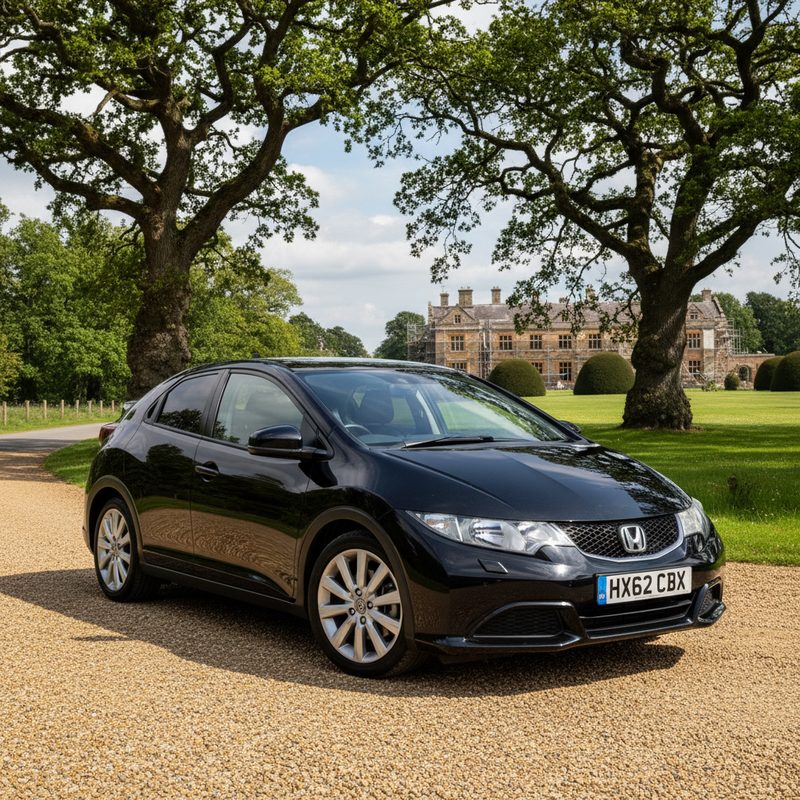
Used Honda Civic or Toyota Corolla? True Running Cost Comparison
Deciding between a used Honda Civic and a Toyota Corolla? This guide breaks down running costs, reliability, and value for money to help you choose wisely.
Quick Verdict
When it comes to choosing between the used Honda Civic and the Toyota Corolla, both cars offer a blend of reliability, comfort, and practicality. However, the Honda Civic tends to edge out in terms of driving enjoyment and performance, while the Toyota Corolla shines in fuel efficiency and lower running costs. If you prioritise a sporty driving experience, the Civic is your best bet. On the other hand, if you’re looking for a dependable, economical vehicle, the Corolla is hard to beat.
Running Costs Compared
Understanding the running costs of a vehicle is crucial for any used car buyer. The running costs include insurance, fuel, servicing, and maintenance, all of which can significantly impact your budget. Let’s break down these costs for both the Honda Civic and Toyota Corolla.
Insurance Groups
Insurance costs can vary widely based on the model and engine size. Generally, the Honda Civic falls into insurance groups ranging from 10 to 30, depending on the variant. For instance, the Civic 1.0 VTEC is typically in group 16, while the more powerful Civic Type R can be in group 30. The Toyota Corolla, on the other hand, usually sits in a slightly lower range, from group 10 to 25. This means that, on average, insuring a Corolla may be less expensive than a Civic.
Fuel Economy
Fuel efficiency is another critical factor. The Honda Civic offers a range of engines, with the 1.0-litre turbocharged petrol engine achieving around 50-55 miles per gallon (MPG) in real-world conditions. The diesel variants can push this figure even higher, reaching up to 70 MPG. In contrast, the Toyota Corolla, especially the hybrid models, can achieve impressive fuel economy figures, often exceeding 60 MPG. This makes the Corolla a more economical choice for daily commuting.
Servicing and Maintenance
Both vehicles are generally reliable, but servicing costs can differ. The average annual servicing cost for a Honda Civic is around £250-£300, while the Toyota Corolla tends to be slightly lower, around £200-£250. Parts availability is good for both models, but the Corolla may have a slight edge in terms of lower-cost parts due to its popularity.
Tyre Prices
Tyre prices can also affect running costs. Both cars use similar tyre sizes, but the Civic’s sportier variants may require performance tyres, which can be pricier. Expect to pay around £60-£100 per tyre for both models, depending on the brand and specifications.
| Cost Element | Honda Civic | Toyota Corolla |
|---|---|---|
| Insurance Group | 10 to 30 | 10 to 25 |
| Real-World MPG | 50-70 MPG | 60-70 MPG |
| Annual Servicing Cost | £250-£300 | £200-£250 |
| Tyre Prices | £60-£100 | £60-£100 |
Reliability Compared
Reliability is a significant factor when considering a used vehicle. Both the Honda Civic and Toyota Corolla have strong reputations for dependability, but they do have their differences.
MOT Pass Rates
According to the latest data, the Honda Civic has an MOT pass rate of around 85%, which is commendable. The Toyota Corolla, however, boasts a slightly higher pass rate of about 90%. This suggests that Corollas are generally less likely to fail their MOTs, which can save you money on repairs.
Common Failure Points
For the Civic, common issues include electrical faults and suspension wear, particularly in older models. The Corolla, on the other hand, tends to have fewer reported issues, with most problems being minor and easily fixable. This reliability is a strong selling point for the Corolla, especially for buyers looking for a hassle-free ownership experience.
What Actually Breaks
In terms of what actually breaks, Civics may experience premature wear on brake components and clutch issues in manual variants. Corollas are known for their robust engines and transmissions, with fewer reports of significant failures. This translates to lower long-term costs for Corolla owners, making it a solid choice for those prioritising reliability.
| Reliability Element | Honda Civic | Toyota Corolla |
|---|---|---|
| MOT Pass Rate | 85% | 90% |
| Common Issues | Electrical faults, suspension wear | Minor issues, robust engine |
| Long-Term Reliability | Good, but some wear issues | Excellent, fewer failures |
Practicality Compared
Practicality is essential for many buyers, especially those with families or those who frequently carry passengers. Let’s examine how the Honda Civic and Toyota Corolla stack up in this area.
Boot Space
The Honda Civic offers a generous boot space of around 478 litres, making it suitable for carrying luggage or shopping. In contrast, the Toyota Corolla provides slightly less boot space at about 361 litres. While both cars can handle everyday tasks, the Civic has the advantage for those needing extra room.
Rear Legroom
Rear legroom is another important consideration. The Civic typically offers more space for rear passengers, with around 1,000 mm of legroom. The Corolla, while still comfortable, provides slightly less at around 900 mm. This difference can make a significant impact on comfort during longer journeys, particularly for taller passengers.
Infotainment and Safety Kit
Both cars come equipped with modern infotainment systems, but the Civic often features a more advanced setup with a larger touchscreen and better connectivity options. Safety is a strong point for both models, with both achieving high safety ratings. The Corolla often includes more standard safety features, making it a great choice for families.
| Practicality Element | Honda Civic | Toyota Corolla |
|---|---|---|
| Boot Space | 478 litres | 361 litres |
| Rear Legroom | 1,000 mm | 900 mm |
| Infotainment System | Advanced with larger screen | Good, but less advanced |
| Safety Features | High ratings, good options | Excellent standard features |
Value for Money
When it comes to value for money, both the Honda Civic and Toyota Corolla have their strengths. Depreciation is a critical factor to consider, as it affects how much you will pay for a used car and how much it will be worth when you decide to sell it.
Depreciation Curves
The Honda Civic tends to depreciate at a slightly faster rate than the Toyota Corolla. This means you might find better deals on used Civics, but it also means that they may lose value more quickly. The Corolla, known for its reliability and lower running costs, tends to hold its value better over time.
Sweet-Spot Age to Buy
For the Civic, the sweet spot for buying used is typically around three to five years old. At this age, you can find models that still have a lot of life left, but they are significantly cheaper than new. For the Corolla, the same age range applies, but you might find that slightly older models are still in excellent condition due to their robust build quality.
Dave's Final Call
In conclusion, both the Honda Civic and Toyota Corolla have their merits, making them excellent choices for used car buyers. If you are a commuter looking for a fun drive with decent running costs, the Civic is the way to go. However, if you are after a reliable, economical vehicle that is easy to maintain, the Corolla is hard to beat.
For families or those needing more space, the Civic’s larger boot and rear legroom make it the better option. On the other hand, if you want a car that will likely hold its value better and come with a wealth of safety features, the Corolla is a wise investment.
Ultimately, your choice should reflect your priorities and lifestyle. Whichever model you lean towards, make sure to check the vehicle’s history with a CarBuyerIQ Vehicle Check to ensure you are making a sound investment. You can start with a free check by entering the car's registration.
Both cars have their strengths, and it’s essential to weigh these against your individual needs. Happy car hunting!