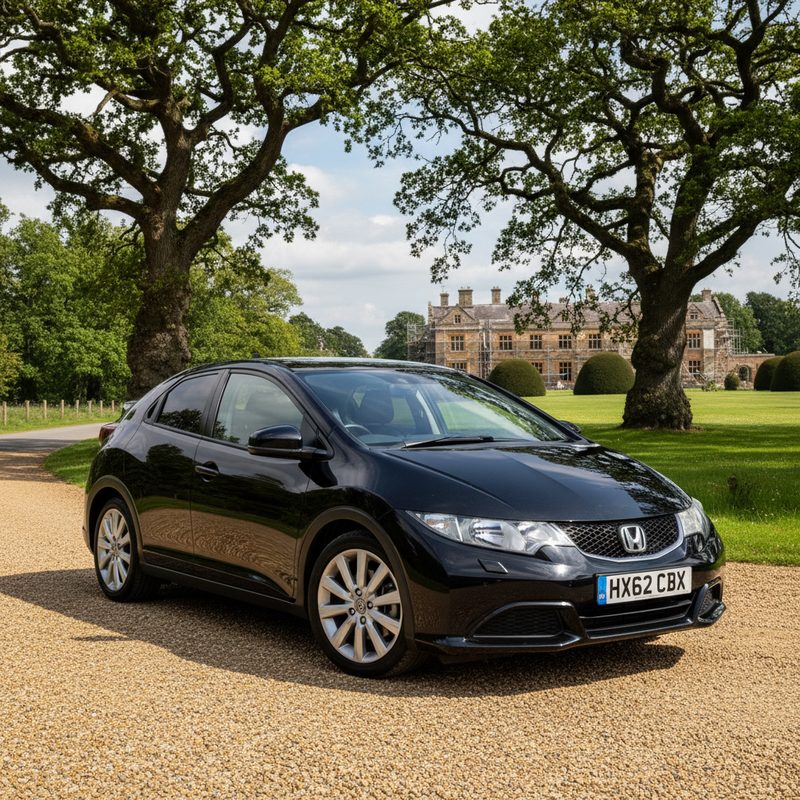
Honda Civic Depreciation: Japanese Car Value Retention
Explore the Honda Civic's depreciation trends, ideal buying years, and strategies for maintaining value. Get insights for smarter used car purchases.
Understanding Depreciation in the Honda Civic
Ah, the Honda Civic. A car that has become synonymous with reliability, practicality, and a dash of sporty flair. But like all cars, it faces the inevitable depreciation curve. Understanding how this curve works can save you a pretty penny when it comes to buying a used Civic.
Depreciation is the term used to describe how much value a car loses over time. For the Honda Civic, this process is relatively gentle compared to many other vehicles. On average, a new car loses about 15-20% of its value in the first year alone, but the Civic tends to hold its value better than the average. In fact, you might find that it retains around 50-60% of its original value after three years, depending on the model and condition.
The Depreciation Curve for the Honda Civic
Let’s take a closer look at the depreciation curve for the Honda Civic. The first year is when the bulk of depreciation hits, as is the case with most cars. After that, the rate of depreciation tends to slow down. Typically, you can expect the Civic to depreciate about 20% in the first year, followed by a more gradual decline of around 10-15% in the subsequent years.
For example, if you buy a brand-new Honda Civic for £25,000, you might see it valued at around £20,000 after the first year. Fast forward to three years down the line, and it could be worth about £12,500. This means that if you’re looking to buy a used Civic, targeting models that are around three years old can be a smart move. You get the benefit of a well-maintained vehicle without the steep initial depreciation hit.
If you are weighing up alternatives, our guide to SUV vs Hatchback Depreciation covers similar ground from a different angle.
Sweet Spot Age: Best Year to Buy for Value
So, when is the best time to buy a Honda Civic? The sweet spot tends to be around three to four years old. At this age, the car has already taken the brunt of depreciation, but it’s still relatively new, often with plenty of warranty left. You’ll find that Civics from this period are often well-equipped, as manufacturers tend to load them with features to attract buyers.
For instance, a 2019 Honda Civic might be priced around £15,000 in the current market. This is a significant saving compared to a brand-new model, which could set you back £25,000 or more. Buying at this age also means that you’re likely to find a model that has been well cared for, as previous owners are usually keen to keep their cars in good condition.
Which Variants/Specs Hold Value Best?
Not all Honda Civics are created equal when it comes to retaining value. Some variants and specifications tend to hold their value better than others. Generally speaking, the more desirable trims, such as the Sport and Type R variants, tend to depreciate at a slower rate. Why? Because they offer a more engaging driving experience and come with additional features that buyers crave.
For more on this topic, take a look at our Do Automatic Cars Hold Value Better Than Manual UK guide.
For example, the Honda Civic Type R, known for its performance and sporty aesthetics, can command a premium even in the used market. While a standard Civic might depreciate to around £12,500 after three years, a Type R could still fetch around £25,000 or more, depending on mileage and condition. This is a classic case of supply and demand; enthusiasts are willing to pay more for a car that offers a thrilling drive.
On the other hand, entry-level models with fewer features may not hold their value as well. If you’re looking for a Civic that will retain its value, aim for models with higher specifications and desirable features, such as advanced safety systems, infotainment options, and a good service history.
Factors That Affect the Honda Civic's Resale Value
Several factors can influence the resale value of a Honda Civic. Understanding these can help you make a more informed purchase. Here are some key considerations:
You might also find our When Does a VW Golf Stop Losing Value guide useful alongside this one.
-
Mileage: The more miles a car has on the clock, the lower its value. A Civic with under 30,000 miles will typically command a higher price than one with 70,000 miles.
-
Condition: A well-maintained Civic with a full service history will always fetch a better price than one that looks like it’s been through a demolition derby. Pay attention to the bodywork, interior, and mechanical condition.
-
Service History: A comprehensive service history can significantly boost a car's resale value. It shows potential buyers that the previous owner took care of the vehicle, which is especially important for a brand like Honda that is known for reliability.
We have covered related ground in our BMW 1 Series Depreciation guide, which is worth reading if this subject interests you.
-
Market Demand: The demand for certain models can fluctuate. For example, if there’s a surge in interest for fuel-efficient cars, you might find that the resale value of the Civic increases. Keep an eye on market trends.
-
Modifications: While some modifications can enhance a car's appeal, others can do the opposite. If you’re thinking of modifying your Civic, be cautious. A souped-up engine might attract enthusiasts, but it could also deter everyday buyers.
How to Minimise Depreciation When You Buy
Now that you know how depreciation works, let’s talk about how to minimise it when buying a Honda Civic. Here are some practical tips:
You can check the exact safety score for any model on the Euro NCAP website.
-
Buy Used: As mentioned earlier, buying a car that’s three to four years old can save you a significant amount of money. You avoid the steepest depreciation and still get a relatively new car.
-
Choose the Right Trim: Opt for higher trims or special editions. They tend to hold their value better than base models. If you can find a Civic with desirable features, you’ll be in a better position when it comes time to sell.
-
Keep It Clean: Regular maintenance and cleaning can go a long way in preserving your car’s value. A clean car is more appealing to potential buyers.
-
Document Everything: Keep all service records and receipts. This documentation can reassure buyers that the car has been well cared for, making it easier to sell later on.
-
Avoid Excessive Mileage: If possible, try to keep your mileage down. Cars with lower mileage are generally more desirable and can command higher prices.
Timing Your Purchase: Dave's Recommendation
Timing is everything, especially when it comes to buying a used car. The best time to purchase a Honda Civic is typically at the end of the month or end of the financial year. Dealers often have sales targets to meet, and you might find them more willing to negotiate on price.
Additionally, consider shopping during the winter months when demand tends to dip. Fewer people are looking for cars during the colder months, which can lead to better deals. You might even find that certain models are discounted more heavily during this time.
If you’re keen on a specific model, keep an eye on the market. Websites like AutoTrader can help you track prices and availability. You can also use tools like the GOV.UK DVLA check to verify the history of any Civic you’re considering.
If things go wrong after purchase, Citizens Advice can help you understand your legal rights.
Conclusion
The Honda Civic is a fantastic choice for anyone looking for a reliable, practical, and stylish vehicle that holds its value well. By understanding the depreciation curve, knowing the best years to buy, and being aware of the factors that affect resale value, you can make a smart purchase that will serve you well for years to come.
If you’re ready to dive into the world of used Civics, don’t forget to check any Honda Civic's value with my free report. It’s a quick and easy way to ensure you’re making a sound investment. Happy car hunting!