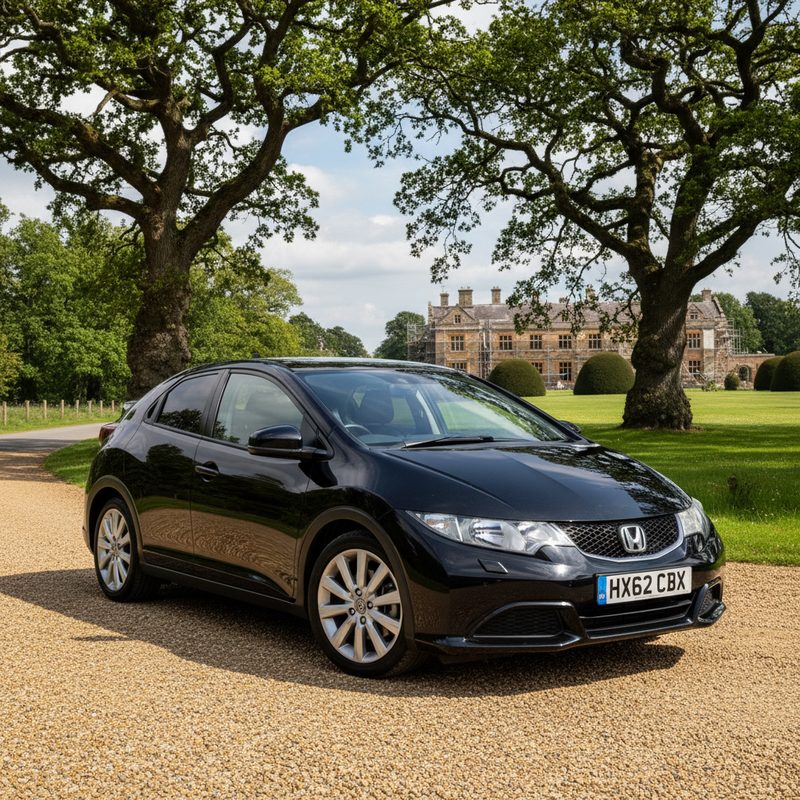
2016 Honda Civic 1.0 VTEC Turbo: Reliable Choice
The 2016 Honda Civic 1.0 VTEC Turbo stands out as a reliable choice for used car buyers. This guide covers its strengths, weaknesses, and overall value.
Overview of the 2016 Honda Civic 1.0 VTEC Turbo
The 2016 Honda Civic 1.0 VTEC Turbo is a standout model in the Civic lineup, known for its blend of performance, efficiency, and reliability. As part of the 10th generation of Civics, this model marked a significant shift in design and engineering, moving towards a more aggressive aesthetic and a focus on turbocharged engines. The 1.0-litre turbocharged engine is particularly noteworthy, offering a balance of power and fuel economy that appeals to a wide range of drivers.
Honda has long been synonymous with reliability, and the 2016 Civic is no exception. With its robust build quality and reputation for longevity, this model is often seen as a safe bet for used car buyers. The 1.0 VTEC Turbo engine, while smaller in displacement, delivers a surprising punch, making it suitable for both city driving and longer journeys.
In the current market, the Civic is often praised for its spacious interior, advanced technology features, and impressive safety ratings. If you're considering a used Civic, you’re likely looking at a car that not only meets your practical needs but also provides a pleasurable driving experience.
Common Problems and Known Issues
While the 2016 Honda Civic 1.0 VTEC Turbo is generally regarded as a reliable vehicle, like any car, it has its share of common issues that potential buyers should be aware of. One of the most frequently reported problems relates to the infotainment system. Some owners have noted that the touchscreen can be unresponsive at times, which can be frustrating, especially when trying to navigate or adjust settings while driving.
Another area of concern is the engine's turbocharger. Although it is designed to enhance performance, there have been isolated reports of turbo failure, particularly in models that have not been regularly serviced. Regular oil changes and adhering to Honda's maintenance schedule can mitigate this risk significantly.
Additionally, the Civic has experienced some issues with its suspension components, particularly in models that have been driven on rough roads. Owners have reported premature wear on bushings and shock absorbers, which can lead to a less comfortable ride and increased noise.
It's also worth noting that some drivers have experienced minor electrical issues, such as problems with the central locking system or dashboard warning lights. While these are typically not serious, they can be annoying and may require attention.
To ensure you’re making a wise purchase, it’s advisable to check the vehicle's history using the DVLA vehicle check service. This can provide insights into past ownership, service records, and any reported issues.
MOT Failure Patterns
Understanding common MOT failure patterns can be crucial when considering a used car purchase. For the 2016 Honda Civic, typical areas of concern during the MOT include the following:
- Brakes: Issues with brake pads and discs are common across many vehicles, and the Civic is no exception. Ensure that the brake system is in good condition, as worn components can lead to failure.
- Tyres: Check for tread depth and overall condition. The Civic’s handling can be affected by poor tyre condition, which may also lead to MOT failures.
- Lights: Faulty bulbs or malfunctioning lights are a frequent cause of MOT failures. Make sure all lights are functioning correctly before the test.
- Suspension: As mentioned earlier, suspension components can wear out, leading to potential failures during the MOT. Listen for any unusual noises when driving, which could indicate issues.
To get a clearer picture of a specific vehicle’s MOT history, you can use the GOV.UK MOT history checker. This tool can help you identify any previous failures and the reasons behind them, giving you a better understanding of the car's condition.
What You Should Expect to Pay
In the current market, the price of a 2016 Honda Civic 1.0 VTEC Turbo can vary significantly based on factors such as mileage, condition, and location. Generally, you can expect to pay between £12,000 and £16,000 for a well-maintained example with average mileage.
For models with lower mileage or additional features, such as upgraded infotainment systems or advanced safety packages, prices can reach upwards of £18,000. Conversely, higher-mileage examples or those with visible wear and tear may be available for as low as £10,000.
When negotiating the price, it’s essential to consider the vehicle's service history. A full service history can justify a higher asking price, while a lack of documentation may warrant a lower offer. If you're unsure how much to offer, check out our guide on how much should I offer for a 2018 Honda Civic for tips on negotiation strategies.
Running Costs Overview
Running costs are a critical consideration when buying a used car, and the 2016 Honda Civic 1.0 VTEC Turbo is relatively economical in this regard. Here’s a breakdown of what you can expect:
Fuel Economy
The 1.0 VTEC Turbo engine is designed for efficiency, offering an impressive fuel economy of approximately 50-55 mpg under mixed driving conditions. This makes it an excellent choice for both city commuting and longer journeys, helping to keep fuel costs manageable.
Insurance
Insurance costs for the Civic are generally reasonable. Depending on your driving history and location, you can expect to pay between £600 and £800 annually for comprehensive coverage. The Civic falls into a mid-range insurance group, making it accessible for many drivers.
Servicing and Maintenance
Honda vehicles are known for their reliability, which often translates to lower servicing costs. Routine maintenance, including oil changes and brake inspections, typically ranges from £150 to £300 per year, depending on the service provider. Additionally, Honda’s reputation for longevity means that many owners find they can go longer between major services compared to other brands.
For a more detailed look at the running costs associated with the Civic, you can refer to our guide on Honda Civic Annual Running Costs UK.
Dave's Honest Verdict
In conclusion, the 2016 Honda Civic 1.0 VTEC Turbo is a reliable choice for anyone in the market for a used car. Its combination of performance, fuel efficiency, and Honda's renowned build quality makes it a strong contender in the compact car segment. While there are some common issues to be aware of, most can be mitigated with regular maintenance and careful inspection before purchase.
If you're considering this model, make sure to check its history thoroughly and be mindful of any potential issues. Overall, I would rate the 2016 Honda Civic 1.0 VTEC Turbo as a solid buy, especially for those who value reliability and efficiency in their vehicle.
For peace of mind, I recommend checking any specific Honda Civic with Dave's free vehicle intelligence report. This can provide you with detailed insights into the car's history, helping you make an informed decision.
Final Thoughts
The 2016 Honda Civic 1.0 VTEC Turbo is more than just a car; it’s a reliable companion that can serve you well for years to come. With its impressive fuel economy, reasonable running costs, and Honda's reputation for reliability, it’s a model that deserves serious consideration. Whether you're commuting to work or embarking on a weekend adventure, the Civic has the versatility to meet your needs.
So, if you're in the market for a used car, don't overlook the Civic. With the right research and a bit of due diligence, you could drive away with a fantastic vehicle that offers both value and performance.