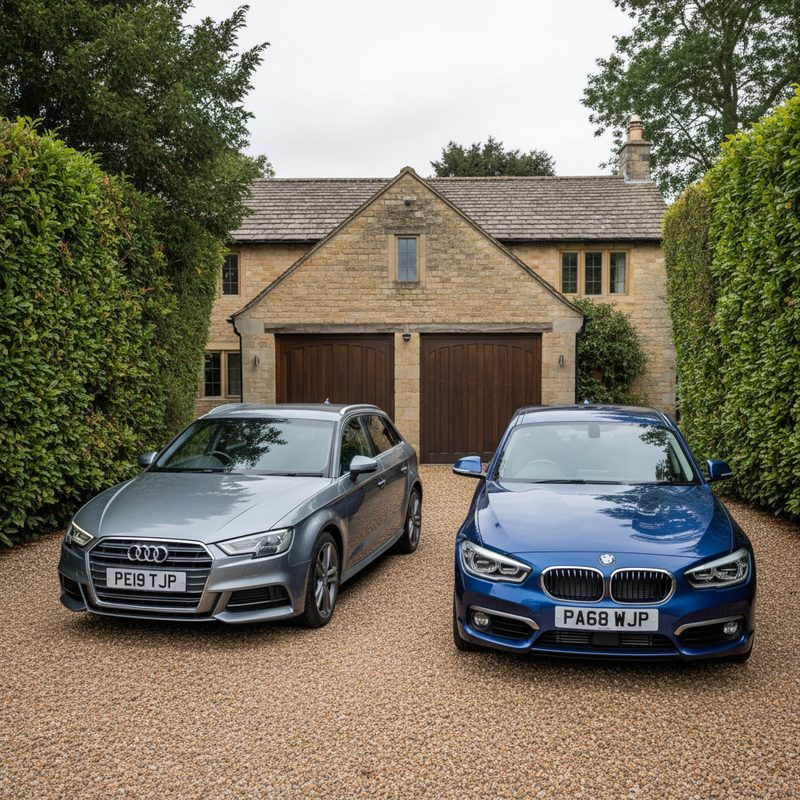
Mini Hatch vs Audi A1: Premium Small Car Compared
This guide compares the Mini Hatch and Audi A1, examining their running costs, reliability, practicality, and overall value for money to help you make an informed decision.
Quick Verdict
When comparing the Mini Hatch and Audi A1, the Mini Hatch emerges as the more engaging option for those who value driving pleasure and distinctive styling. However, the Audi A1 offers a more refined interior and superior technology, making it a strong contender for buyers prioritising comfort and modern features. Ultimately, your choice may hinge on whether you prefer spirited driving dynamics or a premium feel.
Running Costs Compared
Understanding the running costs of both the Mini Hatch and Audi A1 is crucial for any potential buyer. These costs include insurance, fuel economy, servicing, and tyre prices, which can significantly impact your overall ownership experience. Let's break down these factors to see how they stack up against each other.
Insurance Groups
Insurance costs can vary widely between models, and both the Mini Hatch and Audi A1 occupy different insurance groups depending on the specific variant. Generally, the Mini Hatch falls into insurance groups ranging from 10 to 30, while the Audi A1 typically sits in groups 12 to 24. This means that, on average, the Mini might be slightly cheaper to insure, especially for younger drivers.
Real-World MPG
Fuel economy is another critical aspect of running costs. The Mini Hatch, particularly the petrol variants, offers a range of fuel efficiencies, with real-world figures averaging around 45-55 miles per gallon (MPG) depending on the engine choice. The Audi A1, on the other hand, tends to achieve similar figures, with most models delivering between 45-60 MPG. Both cars are relatively economical, but the A1 may edge out slightly in efficiency with its diesel options.
If you are weighing up alternatives, our guide to Used Ford Fiesta or Vauxhall Corsa? True Running Cost Comparison covers similar ground from a different angle.
Servicing Costs
Servicing costs can also differ significantly between these two premium small cars. The Mini Hatch generally has servicing costs that range from £150 to £300 per year, depending on the service type and whether you go to a main dealer or an independent garage. The Audi A1, while slightly more expensive to service, typically falls within the £200 to £350 range. This difference can be attributed to Audi's premium parts and service requirements.
Tyre Prices
Tyre costs are another consideration, especially as both cars require quality tyres to maintain performance. For the Mini Hatch, a set of four quality tyres can cost between £300 and £500, depending on the brand and size. The Audi A1, being a bit larger and often fitted with wider tyres, can see costs ranging from £350 to £600 for a full set.
| Cost Factor | Mini Hatch | Audi A1 |
|---|---|---|
| Insurance Groups | 10 - 30 | 12 - 24 |
| Real-World MPG | 45 - 55 | 45 - 60 |
| Servicing Costs | £150 - £300 | £200 - £350 |
| Tyre Prices | £300 - £500 | £350 - £600 |
For more on this topic, take a look at our SEAT Ateca vs Skoda Karoq guide.
Reliability Compared
Reliability is a crucial factor for any used car buyer, and both the Mini Hatch and Audi A1 have their strengths and weaknesses in this area. Examining MOT pass rates, common failure points, and what actually breaks can provide insight into their long-term reliability.
MOT Pass Rates
According to recent data, the Mini Hatch has a respectable MOT pass rate of around 75%, which is commendable for a small car. The Audi A1, however, boasts a slightly higher pass rate of about 80%. This suggests that the A1 may have a slight edge in reliability, although both cars are generally well-regarded.
Common Failure Points
Common issues for the Mini Hatch include electrical problems, particularly with the infotainment system, and suspension wear, especially in older models. The Audi A1, while also facing some electrical issues, tends to have more problems related to the turbocharger and fuel system, particularly in the higher-performance variants. Buyers should be aware of these potential pitfalls when considering used models.
You might also find our Mazda CX-5 vs Toyota RAV4 guide useful alongside this one.
What Actually Breaks
In terms of what actually breaks, the Mini Hatch often sees issues with its clutch and gearbox, especially in models with higher mileage. The Audi A1, on the other hand, has been known to experience problems with its DSG automatic transmission, which can be costly to repair. Regular maintenance and thorough checks can help mitigate these issues, but they are worth considering when purchasing either vehicle.
| Reliability Factor | Mini Hatch | Audi A1 |
|---|---|---|
| MOT Pass Rate | 75% | 80% |
| Common Issues | Electrical, Suspension | Turbo, Fuel System |
| Breakage Points | Clutch, Gearbox | DSG Transmission |
Practicality Compared
Practicality is often a deciding factor for buyers in the premium small car segment. This includes boot space, rear legroom, infotainment systems, and safety features. Let's explore how the Mini Hatch and Audi A1 compare in these areas.
We have covered related ground in our Renault Captur vs Citroen C3 Aircross guide, which is worth reading if this subject interests you.
Boot Space
The Mini Hatch offers a boot capacity of around 211 litres, which is decent for a small car but not class-leading. The Audi A1, however, provides a more generous 335 litres of boot space, making it a better option for those who need to carry more luggage or shopping. This difference can be significant for families or anyone who frequently transports larger items.
Rear Legroom
In terms of rear legroom, the Mini Hatch can feel a bit cramped, especially for taller passengers. The rear seats are best suited for short journeys, with limited space for legroom. The Audi A1, on the other hand, offers more generous rear legroom, making it a more comfortable option for passengers on longer trips.
Infotainment Systems
Both cars come equipped with modern infotainment systems, but the Audi A1's system is generally regarded as more intuitive and user-friendly. The Mini Hatch's system can be a bit quirky, with some users finding it less straightforward to navigate. Audi's Virtual Cockpit, available on higher trims, adds an extra layer of tech sophistication that the Mini lacks.
You can check any car's full MOT history for free on GOV.UK before arranging a viewing.
Safety Features
Safety is paramount in any vehicle, and both the Mini Hatch and Audi A1 come with a range of safety features. The Audi A1 has received high safety ratings and includes advanced features such as lane assist and adaptive cruise control in higher trims. The Mini Hatch also offers a solid safety package but may not include as many advanced features as standard.
| Practicality Factor | Mini Hatch | Audi A1 |
|---|---|---|
| Boot Space | 211 litres | 335 litres |
| Rear Legroom | Limited | More generous |
| Infotainment System | Quirky | Intuitive |
| Safety Features | Solid, fewer advanced | High ratings, advanced |
Value for Money
When it comes to value for money, both the Mini Hatch and Audi A1 have their merits, but they cater to slightly different markets. Understanding depreciation curves, which car holds its value better, and the best age to buy each model can help you make a more informed decision.
You can check the exact safety score for any model on the Euro NCAP website.
Depreciation Curves
Both cars depreciate at similar rates, but the Audi A1 tends to hold its value slightly better due to its premium branding. While a Mini Hatch might lose about 50% of its value after three years, the A1 can retain around 55-60% of its original price. This can make a significant difference when it comes to resale value.
Sweet-Spot Age to Buy
The sweet spot for buying a used Mini Hatch is typically around the three to five-year mark, where you can find well-maintained examples at a reasonable price. For the Audi A1, the same age range applies, but you might find better deals on slightly older models as buyers often gravitate towards newer models due to the brand's premium image.
Dave's Final Call
In conclusion, both the Mini Hatch and Audi A1 are excellent choices in the premium small car segment, but they cater to different preferences. The Mini Hatch is ideal for those who prioritise driving enjoyment and unique styling, making it a fun choice for urban driving. Conversely, the Audi A1 is better suited for buyers who value comfort, technology, and a more spacious interior.
If things go wrong after purchase, Citizens Advice can help you understand your legal rights.
If you're a commuter looking for a fun drive, the Mini Hatch is your best bet. For families or those needing more practicality, the Audi A1 stands out as the superior option. Regardless of your choice, always check the vehicle's history with a DVLA vehicle check and consider running costs to ensure you're making a smart investment.
Before finalising your decision, don't forget to check any car with Dave's free vehicle intelligence report, which can provide you with essential insights and help you make a more informed choice.
Both cars have their pros and cons, and your decision should ultimately reflect your lifestyle and driving preferences. Happy car hunting!