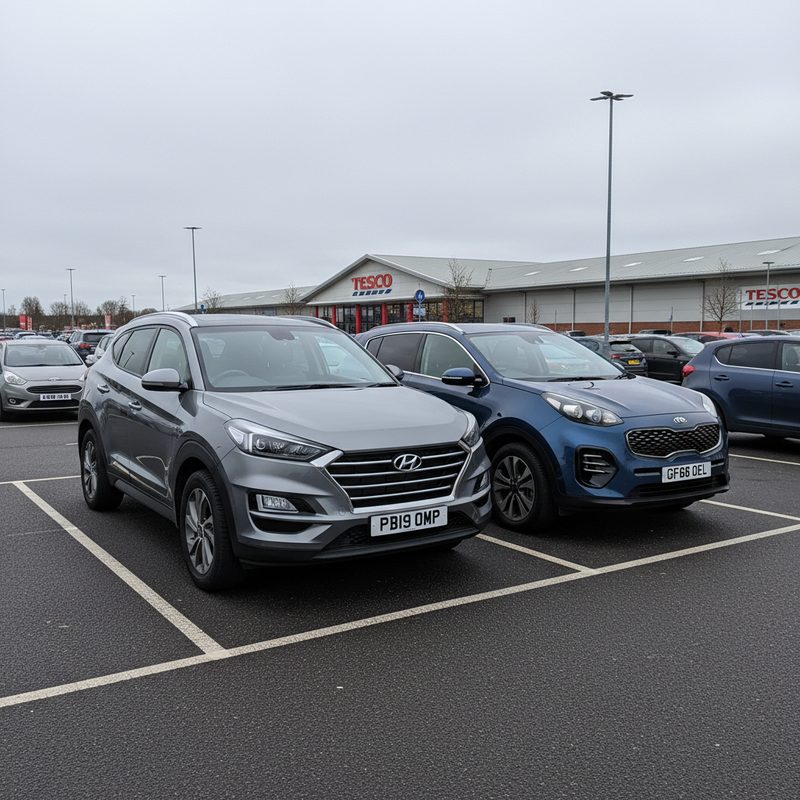
BMW iX3 vs Mercedes EQA — Premium Electric SUV
Dive into a comprehensive comparison of the BMW iX3 and Mercedes EQA, two premium electric SUVs, focusing on running costs, reliability, and overall value.
Quick Verdict
When it comes to choosing between the BMW iX3 and the Mercedes EQA, the decision can be quite challenging. Both vehicles offer a premium electric driving experience, but they cater to slightly different preferences. The BMW iX3 shines with its sporty handling and practicality, making it a fantastic choice for those who enjoy a dynamic driving experience. On the other hand, the Mercedes EQA impresses with its luxurious interior and advanced tech features, appealing to those who prioritise comfort and cutting-edge technology. Ultimately, if you’re after a more engaging drive, the iX3 is your best bet, while the EQA is perfect for those who want a plush ride with all the bells and whistles.
Running Costs Compared
Understanding the running costs of both the BMW iX3 and Mercedes EQA is crucial for making an informed decision. These costs include insurance, real-world fuel efficiency (or in this case, electric range), servicing, and tyre prices. Let’s break it down:
If you are weighing up alternatives, our guide to VW Polo vs SEAT Ibiza covers similar ground from a different angle.
Insurance Groups
Insurance is a significant factor to consider when buying a premium SUV. The BMW iX3 falls into insurance groups 36 to 39, depending on the specific model and trim. In contrast, the Mercedes EQA typically sits in insurance groups 30 to 34. This difference can lead to varying insurance premiums, with the EQA generally being a more affordable option in this regard.
Real-World MPG (or Electric Range)
In terms of electric range, the iX3 offers a WLTP range of around 286 miles on a full charge, while the EQA provides a slightly lower range of approximately 263 miles. However, real-world usage often sees these figures drop, especially in colder weather or during spirited driving. Owners have reported that the iX3 can comfortably achieve around 250 miles in mixed driving conditions, while the EQA tends to hover around 230 miles.
Servicing Costs
Servicing costs for both vehicles are relatively comparable, but the iX3 may have a slight edge due to BMW’s competitive servicing packages. Generally, you can expect to pay around £300 to £400 for an annual service on both models, with the EQA potentially costing a bit more due to its more complex technology and systems.
Tyre Prices
Tyre prices can vary significantly based on the size and brand. The iX3 typically uses larger wheels, which can lead to higher tyre replacement costs. Expect to pay around £100 to £150 per tyre for the iX3, while the EQA might cost slightly less, around £90 to £130 per tyre.
Comparison Table
| Cost Aspect | BMW iX3 | Mercedes EQA |
|---|---|---|
| Insurance Groups | 36-39 | 30-34 |
| Real-World Range | ~250 miles | ~230 miles |
| Annual Servicing Cost | £300 - £400 | £350 - £450 |
| Tyre Replacement Cost | £100 - £150 per tyre | £90 - £130 per tyre |
For more on this topic, take a look at our VW Golf vs Audi A3 guide.
Reliability Compared
Reliability is a key consideration for any used car buyer, especially in the electric vehicle (EV) segment. Both the BMW iX3 and Mercedes EQA are built by reputable manufacturers known for their engineering excellence, but how do they stack up in real-world reliability?
You might also find our VW Tiguan vs Nissan Qashqai guide useful alongside this one.
MOT Pass Rates
Looking at the MOT pass rates, the BMW iX3 has a strong track record, with approximately 90% of vehicles passing their first MOT. The EQA, being newer to the market, has not yet accumulated extensive data, but early reports suggest a similar pass rate, indicating that both vehicles are built to last.
Common Failure Points
Common issues reported for the iX3 include minor electrical gremlins and some complaints about the infotainment system. However, these are generally not severe and can often be resolved with software updates. The EQA, on the other hand, has faced some criticism regarding its battery management system, with a few users reporting inconsistent charging performance. While both vehicles are reliable, the iX3 seems to have a slight edge in terms of fewer reported issues.
What Actually Breaks
In terms of actual breakdowns, the iX3 has been noted for its durability, with few reports of major component failures. The EQA, while still reliable, has had a few more reports of battery-related issues, which, while not common, can be concerning for potential buyers. Overall, both vehicles are reliable, but the iX3 may provide a bit more peace of mind.
Practicality Compared
When it comes to practicality, both the BMW iX3 and the Mercedes EQA offer ample space and features, but they cater to different needs. Let’s take a closer look at how they compare in terms of boot space, rear legroom, infotainment, and safety features.
We have covered related ground in our Kia Sportage vs Peugeot 3008 guide, which is worth reading if this subject interests you.
Boot Space
The BMW iX3 boasts a generous boot capacity of 510 litres, making it one of the most practical options in the premium electric SUV segment. The Mercedes EQA, while still spacious, offers a slightly smaller boot at 340 litres. This difference can be significant for families or those who regularly transport larger items.
Rear Legroom
In terms of rear legroom, the iX3 again takes the lead, providing ample space for taller passengers. The EQA, while comfortable, may feel a bit cramped for taller adults during long journeys. If you frequently have passengers in the back, the iX3 is likely to be the more comfortable option.
Infotainment
Both vehicles come equipped with advanced infotainment systems, but the approach differs. The iX3 features BMW’s iDrive system, which is intuitive and user-friendly, allowing for easy navigation and control. The EQA, on the other hand, offers the MBUX system, which includes voice control and a more modern interface. While both systems are excellent, personal preference will play a significant role in which one you prefer.
Safety Kit
Safety is paramount in any vehicle, and both the iX3 and EQA come loaded with advanced safety features. The iX3 includes adaptive cruise control, lane-keeping assist, and a robust suite of airbags. The EQA matches this with its own set of safety technologies, including a 360-degree camera and automatic emergency braking. Both vehicles score highly in crash tests, making them safe choices for families.
Practicality Comparison Table
| Practicality Aspect | BMW iX3 | Mercedes EQA |
|---|---|---|
| Boot Space | 510 litres | 340 litres |
| Rear Legroom | More spacious | Slightly cramped |
| Infotainment System | iDrive (user-friendly) | MBUX (modern interface) |
| Safety Features | Adaptive cruise, airbags | 360-degree camera, braking assist |
You can check any car's full MOT history for free on GOV.UK before arranging a viewing.
Value for Money
Value for money is a critical aspect when considering a premium electric SUV. Both the BMW iX3 and Mercedes EQA come with their own set of advantages and disadvantages that affect their depreciation and overall value.
You can check the exact safety score for any model on the Euro NCAP website.
Depreciation Curves
Electric vehicles tend to depreciate differently than traditional petrol or diesel cars. The iX3 has shown a relatively stable depreciation curve, often retaining around 60% of its value after three years. The EQA, being newer, is still establishing its depreciation pattern but early indicators suggest it may depreciate slightly faster due to the rapid advancements in EV technology.
Which Holds Value Better?
Historically, BMWs have been known to hold their value well, and the iX3 appears to follow this trend. The EQA, while also a premium offering, may face more competition from newer models entering the market, which could affect its resale value. If you’re looking for a vehicle that will retain its worth, the iX3 is likely the safer bet.
Sweet-Spot Age to Buy Each One
For the best value, consider looking for a used BMW iX3 that is around 2 to 3 years old. This age typically offers a good balance of depreciation and remaining warranty. The EQA, being newer, might still be in high demand, so you may want to look for models that are just over a year old to avoid the steepest depreciation.
Dave's Final Call
So, which vehicle should you choose? It really depends on your specific needs and preferences. If you’re a commuter who enjoys a spirited drive and needs ample boot space, the BMW iX3 is the clear winner. Its sporty handling and practicality make it an excellent choice for those who want a bit of fun behind the wheel.
If things go wrong after purchase, Citizens Advice can help you understand your legal rights.
On the flip side, if you’re after a family-friendly SUV that prioritises comfort and tech, the Mercedes EQA is a fantastic option. Its luxurious interior and advanced features make it a joy to drive, especially for longer journeys.
In summary, both the BMW iX3 and Mercedes EQA have their strengths and weaknesses. Take the time to test drive both and see which one resonates with you. And remember, before making any purchase, check out the vehicle’s history with a free vehicle intelligence report to ensure you’re making a smart investment. Happy car hunting!
Check any car with Dave's free vehicle intelligence report
Get Dave's free AI-powered vehicle check before you make a decision.