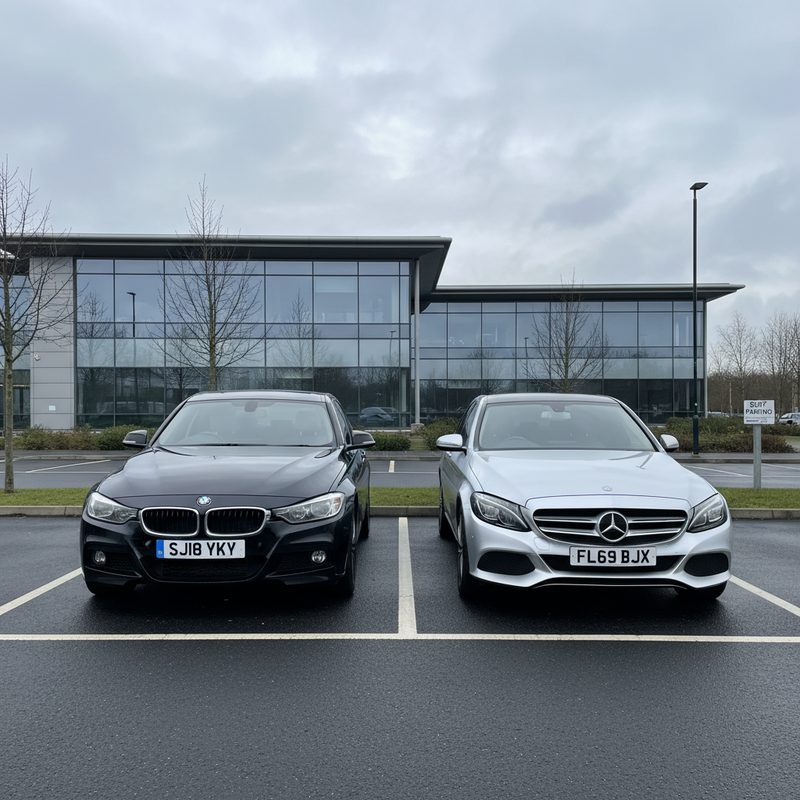
BMW 3 Series vs Mercedes C-Class — Executive Car Showdown
Dive into our in-depth comparison of the BMW 3 Series and Mercedes C-Class, focusing on key factors like running costs, reliability, and practicality.
Quick Verdict
In the battle of the executive saloons, the BMW 3 Series and the Mercedes C-Class are two titans that have long captivated UK buyers. Both models offer a blend of luxury, performance, and technology, making them popular choices for professionals and families alike. However, which one comes out on top? The BMW 3 Series often edges ahead with its sporty handling and engaging driving experience, while the Mercedes C-Class excels in comfort and interior quality. Ultimately, the choice may boil down to personal preference, but this guide will help you make an informed decision.
Running Costs Compared
When considering a used executive car, running costs are a crucial factor. Both the BMW 3 Series and the Mercedes C-Class offer a range of engines, affecting fuel efficiency, insurance, and servicing costs.
Insurance
Insurance premiums can vary significantly based on the model and engine size. On average, the BMW 3 Series falls into insurance groups 24 to 40, while the Mercedes C-Class ranges from groups 23 to 45. For instance, a 2018 BMW 320d may cost around £800 per year to insure, whereas a similar age Mercedes C220d might set you back approximately £850. Therefore, if insurance costs are a primary concern, the BMW 3 Series may have a slight edge.
Fuel Efficiency
Fuel efficiency is another critical aspect. The BMW 3 Series typically offers better fuel economy, especially with its diesel engines. The 320d can achieve around 60 mpg, while the C-Class's C220d averages about 55 mpg. In terms of petrol engines, the BMW 330i provides around 45 mpg, compared to the C-Class's C300, which offers roughly 42 mpg. Over a year, these differences can translate into significant savings, especially for those who cover long distances regularly.
Servicing Costs
Servicing costs are also worth considering. Both brands have a reputation for quality, but servicing can be pricey. The BMW 3 Series generally has lower servicing costs, averaging around £300-£400 per year, while the Mercedes C-Class can range from £350-£500. This difference can be attributed to the availability of parts and the complexity of the vehicles. Therefore, if keeping running costs low is a priority, the BMW 3 Series may be the better option.
Reliability Compared
Reliability is a key consideration for any used car buyer. Both the BMW 3 Series and the Mercedes C-Class have their strengths and weaknesses in this area.
MOT Pass Rates
According to the latest data, the BMW 3 Series has a respectable MOT pass rate of around 85%, while the Mercedes C-Class sits slightly lower at approximately 82%. This statistic suggests that the BMW may have a slight advantage in terms of long-term reliability. However, it’s essential to consider the specific model and its service history, as individual vehicles can vary significantly.
Common Issues
Common issues can also affect reliability. The BMW 3 Series is known to have issues with its electronic systems, particularly in older models, while the Mercedes C-Class has been reported to have problems with its air conditioning and suspension components. Both models are generally reliable, but potential buyers should be aware of these common pitfalls. A thorough pre-purchase inspection can help mitigate risks associated with these issues.
Practicality Compared
When it comes to practicality, both the BMW 3 Series and the Mercedes C-Class have their merits, but they cater to slightly different needs.
Boot Space
Boot space is a significant factor for many buyers. The BMW 3 Series offers a boot capacity of around 480 litres, while the Mercedes C-Class provides slightly less at approximately 455 litres. This difference may not seem substantial, but for families or those needing to transport larger items, the extra space in the BMW could be a deciding factor.
Comfort and Interior Quality
In terms of comfort, the Mercedes C-Class often takes the lead. Its interior is plush, featuring high-quality materials and a design that prioritises passenger comfort. The seats are supportive, making long journeys more enjoyable. The BMW 3 Series, while also comfortable, leans towards a sportier feel, with firmer seats that may not be to everyone's taste. For those who value a luxurious ride, the C-Class may be the better choice.
Technology
Both cars come equipped with advanced technology, but they differ in user experience. The BMW 3 Series features the iDrive system, which is intuitive and responsive, while the Mercedes C-Class boasts the MBUX system, known for its voice recognition capabilities. Depending on your tech preferences, one may appeal more than the other. Additionally, both models offer a range of driver assistance features, enhancing safety and convenience.
Value for Money — Which Depreciates Less?
Depreciation is a crucial factor when considering a used car, as it directly impacts resale value. Generally, luxury vehicles tend to depreciate faster than mainstream models, but some perform better than others.
Depreciation Rates
The BMW 3 Series typically holds its value slightly better than the Mercedes C-Class. According to industry reports, a three-year-old BMW 3 Series retains about 50-55% of its original value, while the C-Class retains around 45-50%. This difference can be attributed to the BMW's strong brand reputation and demand in the used car market. If you plan to sell your vehicle in a few years, the BMW 3 Series may offer better value retention.
Price Comparison
When looking at the used market, prices for the BMW 3 Series generally start around £15,000 for a decent model from 2017, while the Mercedes C-Class tends to begin at approximately £14,000 for a similar age. While the initial purchase price may be slightly lower for the C-Class, the BMW's better depreciation could make it a more financially sound investment in the long run.
Dave's Final Call with Specific Scenarios
Choosing between the BMW 3 Series and the Mercedes C-Class ultimately depends on your specific needs and preferences. Here are a few scenarios to consider:
Commuter
For daily commuting, the BMW 3 Series may be the better choice. Its sporty handling and fuel efficiency make it ideal for navigating city traffic and long motorway journeys. The lower running costs and insurance premiums also add to its appeal for commuters.
Family
If you’re looking for a family car, the Mercedes C-Class might be more suitable. Its comfortable interior, spacious boot, and luxurious features create a pleasant environment for both drivers and passengers. Additionally, the advanced safety features can provide peace of mind for family trips.
Business Use
For business use, both vehicles are excellent choices, but the BMW 3 Series may have a slight edge due to its sporty image and driving dynamics. It can make a strong impression in professional settings while still being practical for everyday use.
Budget-Conscious Buyer
If budget is a significant concern, the BMW 3 Series offers lower running costs and better depreciation rates, making it a more economical choice in the long run. However, if you prioritise comfort and luxury, the Mercedes C-Class may justify its slightly higher costs.
Conclusion
Both the BMW 3 Series and the Mercedes C-Class have their strengths and weaknesses, making them formidable contenders in the executive car segment. The BMW 3 Series excels in driving dynamics, running costs, and resale value, while the Mercedes C-Class shines in comfort, interior quality, and technology. Ultimately, your choice will depend on your personal preferences and specific needs.
Before making a decision, consider checking any car with Dave's free vehicle intelligence report to ensure you're making a smart investment. This tool can provide valuable insights into the vehicle's history, helping you avoid potential pitfalls and make an informed choice.
Check any car with Dave's free vehicle intelligence report
Get Dave's free AI-powered vehicle check before you make a decision.