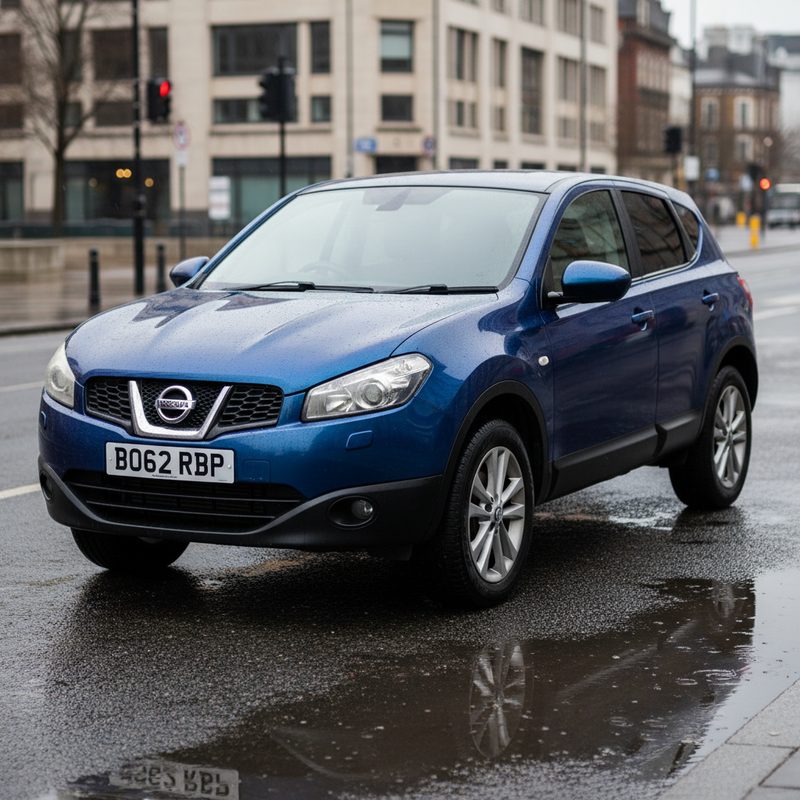
Nissan Qashqai vs Kia Sportage Reliability: MOT Data Compared
In this guide, we dive deep into the reliability of the Nissan Qashqai and Kia Sportage, comparing MOT data, common issues, and what you need to know before buying.
Quick Verdict: Nissan Qashqai vs Kia Sportage
When it comes to reliability, both the Nissan Qashqai and Kia Sportage have their strengths, but the Qashqai often edges ahead in terms of overall performance and user satisfaction. The Sportage, however, is not to be underestimated, boasting a solid reputation and a generous warranty. Ultimately, your choice may hinge on specific needs, such as driving style and budget. Let’s dive deeper into the details to help you make an informed decision.
Running Costs Compared
Understanding the running costs of a vehicle is crucial for any potential buyer. Both the Nissan Qashqai and Kia Sportage are popular choices in the UK, but how do they stack up against each other in terms of insurance, fuel economy, and servicing costs?
Insurance Groups
Insurance costs can vary significantly between models. The Nissan Qashqai typically falls into insurance groups 12 to 18, depending on the variant. The Kia Sportage, on the other hand, generally ranges from insurance groups 12 to 20. This means that, while both vehicles are relatively affordable to insure, the Qashqai may offer slightly lower premiums for certain models.
Fuel Economy
Fuel efficiency is another key factor to consider. The Nissan Qashqai is known for its impressive fuel economy, with real-world MPG figures often reaching around 50 to 60 MPG for diesel variants. The Kia Sportage, while also efficient, usually averages around 45 to 55 MPG. This difference can lead to significant savings over time, especially for those who do a lot of driving.
Servicing and Maintenance Costs
Servicing costs can also impact your overall running costs. The Qashqai tends to have slightly lower servicing costs, averaging around £200 to £300 per year, while the Sportage may range from £250 to £350. Both vehicles are relatively easy to maintain, but the Qashqai’s parts are often more readily available, which can lead to lower repair costs.
Tyre Prices
Tyre prices are another consideration. Both vehicles use similar tyre sizes, but the Qashqai may have a slight advantage due to its popularity, often resulting in lower prices for replacement tyres. Expect to pay around £80 to £120 per tyre for both models, depending on the brand and specifications.
| Feature | Nissan Qashqai | Kia Sportage |
|---|---|---|
| Insurance Groups | 12 to 18 | 12 to 20 |
| Real-World MPG | 50 to 60 MPG | 45 to 55 MPG |
| Average Servicing Costs | £200 to £300 | £250 to £350 |
| Average Tyre Prices | £80 to £120 | £80 to £120 |
Reliability Compared
Reliability is often the deciding factor for many buyers. Both the Nissan Qashqai and Kia Sportage have solid reputations, but let’s take a closer look at the MOT data and common issues that can arise with each model.
MOT Pass Rates
According to recent statistics, the Nissan Qashqai has a commendable MOT pass rate of around 85%, which is quite impressive for a vehicle in this segment. The Kia Sportage is not far behind, boasting a pass rate of approximately 83%. This suggests that both vehicles are generally reliable, but the Qashqai has a slight edge.
Common Failure Points
While both vehicles are reliable, they do have their common issues. The Qashqai often experiences problems with the electronic parking brake and suspension components, particularly in older models. On the other hand, the Sportage has been known to face issues with the turbocharger and electrical systems, especially in earlier versions. It’s essential to be aware of these potential pitfalls when considering either vehicle.
What Actually Breaks
In terms of what actually breaks, the Qashqai’s engine and transmission are generally robust, but issues can arise with the fuel injectors and timing chains in some models. The Sportage, while also reliable, has had reports of engine knocking and premature wear in certain engine types. Regular maintenance and checks can help mitigate these risks, but it’s worth considering these factors when making your choice.
Practicality Compared
Practicality is vital for many buyers, especially those with families or active lifestyles. Let’s compare the boot space, rear legroom, infotainment systems, and safety features of both vehicles.
Boot Space
The Nissan Qashqai offers a generous boot space of around 430 litres, making it suitable for family trips or carrying larger items. The Kia Sportage, however, slightly edges it out with a boot capacity of approximately 491 litres, providing that extra room for luggage or shopping.
Rear Legroom
When it comes to rear legroom, both vehicles are spacious, but the Sportage tends to offer a bit more comfort for taller passengers. The Qashqai provides decent legroom, but the Sportage’s design allows for a more relaxed seating position in the back.
Infotainment Systems
In terms of technology, both vehicles have made significant strides. The Qashqai features Nissan’s latest infotainment system, which is user-friendly and includes smartphone integration. The Sportage, however, often comes with a more advanced system, featuring a larger touchscreen and additional connectivity options. This can be a deciding factor for tech-savvy buyers.
Safety Features
Safety is paramount, and both vehicles come equipped with a range of safety features. The Qashqai includes advanced driver assistance systems, such as lane departure warning and emergency braking. The Sportage also offers similar features, with a strong emphasis on passenger safety. Both vehicles have performed well in crash tests, making them reliable choices for families.
| Feature | Nissan Qashqai | Kia Sportage |
|---|---|---|
| Boot Space | 430 litres | 491 litres |
| Rear Legroom | Good | Better |
| Infotainment System | User-friendly | Advanced |
| Safety Features | Comprehensive | Comprehensive |
Value for Money
When considering a used vehicle, understanding depreciation and value retention is crucial. Both the Nissan Qashqai and Kia Sportage have their unique depreciation curves, which can impact your investment.
Depreciation Curves
The Qashqai tends to depreciate at a moderate rate, losing around 40% of its value after three years. The Sportage, however, has been known to hold its value slightly better, with a depreciation rate of about 35% over the same period. This means that if you’re looking for a vehicle that retains its value, the Sportage might be the better option.
Sweet-Spot Age to Buy
For the Qashqai, the sweet spot for buying used is typically around three to four years old, where you can find a good balance of price and features. The Sportage, on the other hand, is often best purchased at around two to three years old, as it tends to have a lower depreciation rate and offers excellent value for money.
Dave's Final Call
So, which vehicle should you choose? It ultimately comes down to your specific needs and preferences. If you’re a commuter looking for a reliable vehicle with great fuel economy, the Nissan Qashqai is an excellent choice. Its lower running costs and solid reliability make it a fantastic option for daily driving.
If you need a family-friendly vehicle with ample space and a more advanced infotainment system, the Kia Sportage is the way to go. Its larger boot and rear legroom make it ideal for family outings or road trips.
In conclusion, both the Nissan Qashqai and Kia Sportage offer excellent reliability and practicality. However, understanding the nuances of each model can help you make the best decision for your lifestyle. Whichever you choose, be sure to check the vehicle’s history with a CarBuyerIQ Vehicle Check to ensure you’re making a sound investment.
For further insights, you might find it helpful to explore our guides on Nissan Qashqai vs Kia Sportage Used: Which Is Better Value? and Used Nissan Qashqai or Kia Sportage? True Running Cost Comparison. Happy car hunting!