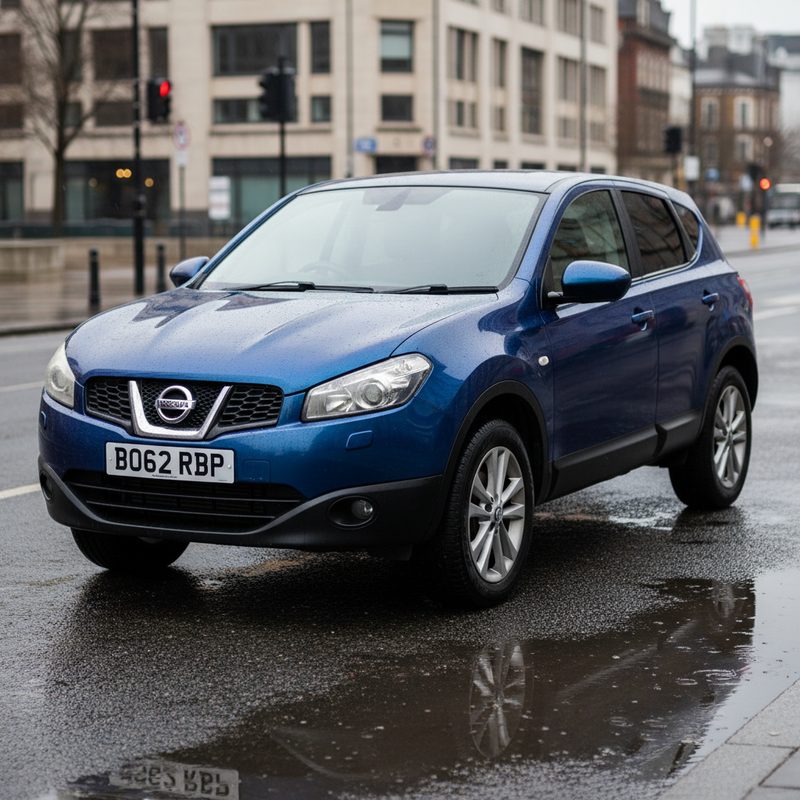
2017 Nissan Qashqai Common Problems and What They Cost
Explore the common issues faced by the 2017 Nissan Qashqai, their associated costs, and tips for making an informed purchase.
Overview of the 2017 Nissan Qashqai
The 2017 Nissan Qashqai stands out in the crowded compact SUV market, offering a blend of practicality, comfort, and modern technology. As a popular choice among UK buyers, it combines a spacious interior with a stylish exterior, making it a family favourite. However, like any vehicle, it has its quirks and potential issues that prospective buyers should be aware of. This guide delves into the common problems associated with the 2017 Qashqai, what they typically cost to fix, and how to navigate the used car market effectively.
The Qashqai has been a strong contender in the compact SUV segment since its launch, with the 2017 model benefiting from a facelift that included updated styling and improved technology. At the time of writing, prices for a used 2017 Qashqai typically range from £15,000 to £20,000, depending on the trim level and mileage. However, understanding the common problems can help you negotiate a better deal and avoid unexpected repair costs.
If you are weighing up alternatives, our guide to 2019 Mercedes GLA covers similar ground from a different angle.
Common Problems and Known Issues
While the 2017 Nissan Qashqai is generally regarded as a reliable vehicle, there are several common issues that have been reported by owners. Understanding these problems can be crucial when considering a purchase.
For more on this topic, take a look at our 2020 Hyundai Tucson guide.
1. Transmission Issues
One of the most frequently reported problems with the 2017 Qashqai involves its automatic transmission. Some owners have experienced a delay in gear changes or a jerking sensation when accelerating. This issue is often linked to the CVT (Continuously Variable Transmission) system used in many Qashqai models. Repairing or replacing the transmission can be costly, with estimates ranging from £1,500 to £3,000, depending on the severity of the issue.
2. Electrical Problems
Electrical gremlins can plague the Qashqai, with reports of issues such as malfunctioning infotainment systems, faulty sensors, and problems with the central locking system. These issues can be frustrating and may require professional diagnostics to resolve. Repair costs can vary widely, but expect to pay anywhere from £100 for minor electrical repairs to £1,000 for more significant issues.
3. Suspension Wear
Another common complaint is premature wear of suspension components, particularly the front struts and bushings. This can lead to a bumpy ride and increased tyre wear. If you notice excessive noise or a rough ride, it may be worth having the suspension inspected. Replacing struts can cost around £300 to £800, depending on whether you opt for OEM or aftermarket parts.
4. Brake Problems
Some owners have reported issues with the braking system, including squeaking or grinding noises when braking. This could indicate worn brake pads or discs, which are relatively straightforward to replace. Expect to pay around £150 to £300 for a complete brake pad and disc replacement.
5. Fuel System Issues
A few drivers have experienced problems with the fuel system, particularly with the fuel injectors. Symptoms can include rough idling or decreased fuel efficiency. Repairing or replacing injectors can be costly, with prices ranging from £300 to £1,000, depending on the extent of the damage.
Understanding these common issues can help you make an informed decision when buying a used 2017 Nissan Qashqai. Always consider having a pre-purchase inspection conducted by a qualified mechanic to uncover any hidden problems before finalising your purchase.
You might also find our 2018 Ford Mustang 2.3 EcoBoost guide useful alongside this one.
MOT Failure Patterns
The MOT test is a crucial part of vehicle ownership in the UK, ensuring that your car meets safety and environmental standards. For the 2017 Nissan Qashqai, certain issues are more likely to lead to MOT failures.
We have covered related ground in our 2019 Volvo S60 guide, which is worth reading if this subject interests you.
1. Lights and Indicators
A common failure point for many vehicles, including the Qashqai, is the lighting system. Faulty bulbs, including headlights, brake lights, and indicators, can lead to an automatic fail. Regularly checking and replacing bulbs can prevent this issue.
2. Brakes
As mentioned earlier, brake problems can arise, and they are a significant reason for MOT failures. Inspecting brake pads and discs for wear and ensuring they are replaced when necessary can help avoid this pitfall.
3. Suspension
Worn suspension components can also lead to MOT failures. If the vehicle fails to meet the required standards for suspension condition, it may not pass the test. Keeping an eye on any unusual noises or handling issues can help catch these problems early.
4. Tyres
Tyre condition is another critical factor in MOT testing. The legal minimum tread depth is 1.6mm, and any tyres below this threshold will result in a fail. Regularly checking tyre pressure and tread depth can help ensure compliance.
5. Emissions
With increasing environmental regulations, emissions testing is more stringent than ever. If the Qashqai has been poorly maintained or has issues with the fuel system, it may struggle to pass emissions tests. Keeping up with servicing and using quality fuel can mitigate this risk.
To check the MOT history of any used Qashqai, you can visit the GOV.UK MOT history page for detailed insights.
You can check the exact safety score for any model on the Euro NCAP website.
What You Should Expect to Pay
When considering a used 2017 Nissan Qashqai, understanding the price range is essential. As previously mentioned, prices typically range from £15,000 to £20,000, but several factors can influence this.
If things go wrong after purchase, Citizens Advice can help you understand your legal rights.
Trim Levels
The Qashqai comes in various trim levels, including Visia, Acenta, N-Connecta, Tekna, and the sporty Nismo variant. Higher trims with more features and technology will command a premium. For example, a Tekna model with leather seats, advanced safety features, and a panoramic sunroof may be priced closer to £20,000, while a base Visia model could be found for around £15,000.
Mileage
Mileage is another crucial factor. A Qashqai with over 60,000 miles will typically be cheaper than one with under 30,000 miles. Expect to pay around £1,000 less for every additional 10,000 miles on the clock, although this can vary based on condition and service history.
Condition and Service History
The overall condition of the vehicle and its service history will also impact the price. A well-maintained Qashqai with a full service history will fetch a higher price than one with a patchy maintenance record. Always request service records and check for any outstanding recalls.
Market Trends
Current market conditions can also affect pricing. If demand for used SUVs is high, you may find prices skewed upwards. Conversely, during periods of economic downturn, prices may drop. Keeping an eye on platforms like AutoTrader can provide insights into current market trends.
Running Costs Overview
Understanding the running costs associated with the 2017 Nissan Qashqai is vital for budgeting. These costs can vary based on driving habits, location, and the specific model.
Fuel Costs
The Qashqai offers a range of engines, including petrol and diesel options. On average, the petrol models achieve around 45-50 mpg, while the diesel variants can reach up to 65 mpg. With fuel prices fluctuating, you can expect to spend approximately £1,200 to £1,500 annually on fuel, depending on your driving habits.
Insurance
Insurance costs can vary significantly based on the model and your personal circumstances. The 2017 Qashqai typically falls into insurance groups 14 to 20, depending on the engine and trim level. Expect to pay between £600 to £1,000 annually for insurance, with younger drivers likely facing higher premiums. For a precise quote, check the Thatcham insurance groups for your specific model.
Servicing
Regular servicing is crucial for maintaining the Qashqai's performance and reliability. A typical service can cost between £150 to £300, depending on whether you go to a main dealer or an independent garage. Additionally, consider setting aside funds for unexpected repairs, as outlined in the previous sections.
Road Tax
Road tax for the 2017 Qashqai varies depending on the engine size and emissions. Generally, you can expect to pay between £130 to £200 annually. For precise calculations, use the GOV.UK road tax checker.
Dave's Honest Verdict
The 2017 Nissan Qashqai is a solid choice for anyone in the market for a compact SUV. It offers a good balance of comfort, practicality, and technology, making it a versatile option for families and individuals alike. However, potential buyers should be aware of the common issues that can arise, particularly with the transmission and electrical systems.
If you can find a well-maintained model with a full service history, it could prove to be a reliable vehicle. However, if you encounter a Qashqai with a patchy maintenance record or signs of the common problems discussed, it may be best to walk away.
Overall, I would rate the 2017 Nissan Qashqai a solid 7 out of 10. It's a good buy if you do your homework and ensure you're getting a vehicle that has been cared for.
Conclusion
In summary, the 2017 Nissan Qashqai is a popular choice in the UK used car market, but it’s essential to be aware of its common problems and associated costs. By understanding what to look for and how to assess a potential purchase, you can make a more informed decision. Always consider conducting a thorough inspection and checking the vehicle’s history before committing to a purchase. For peace of mind, check any Nissan Qashqai instantly with Dave's free vehicle intelligence report.
Dave's Rating
- Score: 7
- Summary: A reliable compact SUV with common issues to watch for; a solid choice if well-maintained.