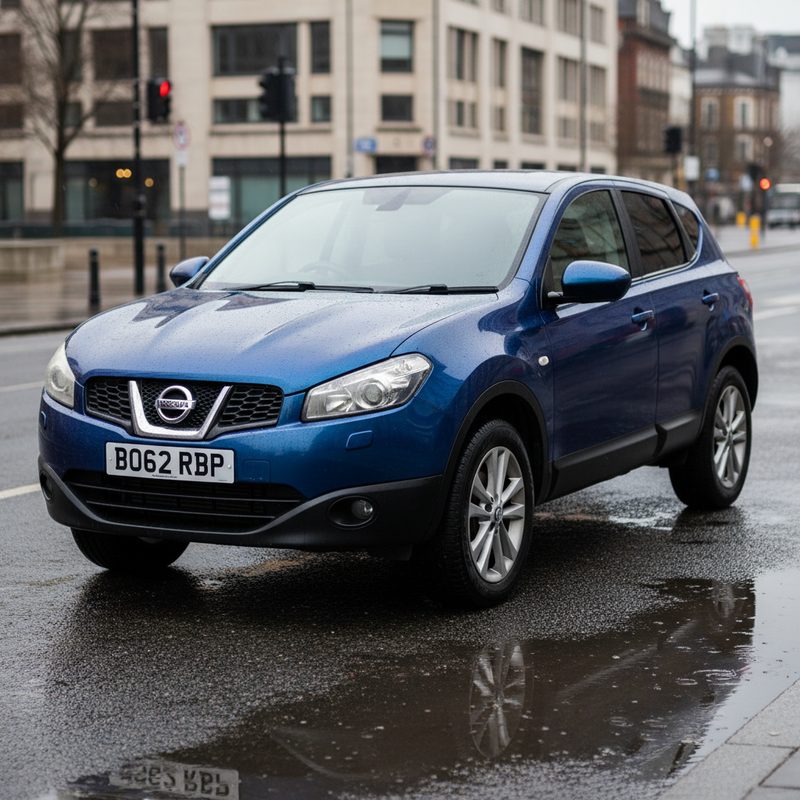
Should I Buy a 2018 Nissan Qashqai: Full Guide
Considering a 2018 Nissan Qashqai? This comprehensive guide covers everything you need to know, from common problems to running costs, helping you make an informed decision.
Overview of the 2018 Nissan Qashqai
The 2018 Nissan Qashqai is a popular choice in the compact SUV market, and for good reason! With its stylish design, spacious interior, and impressive technology features, it’s no wonder that this model has garnered a loyal following. But is it the right car for you? Let’s dive into what makes the Qashqai tick, and whether it’s worth your hard-earned cash.
First off, the Qashqai has a reputation for being a reliable and practical vehicle. It offers a comfortable ride, decent fuel efficiency, and a good amount of boot space, making it an excellent choice for families and those who need a bit more room. The 2018 model comes with a range of engines, including a 1.2-litre petrol and a 1.5-litre diesel, catering to different driving preferences.
But before you rush off to your nearest dealer, it’s essential to weigh the pros and cons. Are there any hidden issues lurking beneath the surface? What should you be aware of when it comes to running costs? Let’s break it all down.
Common Problems and Known Issues
Every car has its quirks, and the 2018 Nissan Qashqai is no exception. While it generally enjoys a solid reputation, there are some common problems that prospective buyers should keep in mind.
One of the most frequently reported issues is related to the car’s electronic systems. Some owners have experienced problems with the infotainment system, including glitches and occasional failures. This can be frustrating, especially if you rely on navigation or Bluetooth connectivity. It’s worth checking if the vehicle you’re considering has had any software updates or repairs done.
Another area of concern is the suspension. Some drivers have reported a knocking noise coming from the front suspension, which could indicate worn components. This issue can lead to a less comfortable ride and may require attention sooner rather than later. If you’re test-driving a Qashqai, pay close attention to any unusual sounds when going over bumps or uneven surfaces.
Additionally, there have been reports of issues with the turbocharger on the 1.2-litre petrol engine. While not widespread, it’s something to be aware of, particularly if you’re considering a model with higher mileage. If you notice a significant drop in power or hear unusual noises from the engine, it’s best to have it inspected by a professional.
Lastly, some owners have mentioned problems with the automatic gearbox, particularly in the CVT models. If you’re looking at one of these, make sure to test the transmission thoroughly during your test drive. Look for any hesitation or jerking when accelerating.
MOT Failure Patterns
MOTs can be a source of anxiety for many car owners, but understanding common failure patterns can help you make an informed decision when buying a used vehicle. The 2018 Nissan Qashqai has generally performed well in MOT tests, but there are a few areas where it has been known to stumble.
One of the most common reasons for MOT failures in the Qashqai relates to lighting and visibility issues. This includes problems with headlight alignment, blown bulbs, or issues with the rear lights. These are relatively easy fixes, but they can indicate a lack of attention to maintenance if they come up frequently.
Another common failure point is the brakes. Worn brake pads or discs can lead to a failed MOT, so it’s crucial to check the condition of these components before purchasing. If the car has been used for a lot of short journeys, it may have experienced more wear and tear on the brakes than a vehicle used for longer trips.
Suspension components are also a frequent cause of MOT failures. As mentioned earlier, the Qashqai can experience issues with its suspension, so be sure to inspect it thoroughly. Look for any signs of leaks from shock absorbers or excessive play in the suspension joints.
Lastly, emissions-related failures have been noted, particularly with diesel models. If you’re considering a diesel Qashqai, ensure that it has been regularly serviced and that the DPF (Diesel Particulate Filter) is in good condition. A blocked DPF can lead to costly repairs and a failed MOT.
Price Ranges for the 2018 Nissan Qashqai
When it comes to pricing, the 2018 Nissan Qashqai offers a range of options to suit different budgets. As of now, you can expect to pay between £15,000 and £22,000 for a used model, depending on the trim level, mileage, and overall condition.
At the lower end of the spectrum, you’ll find base models with higher mileage or fewer features. For example, a 2018 Qashqai Visia with around 40,000 miles might be available for around £15,000. This model will have the essentials but may lack some of the more advanced technology and comfort features found in higher trims.
If you’re looking for something a bit more premium, the N-Connecta or Tekna trims are worth considering. These models typically come with additional features such as larger alloy wheels, upgraded infotainment systems, and enhanced safety features. Expect to pay between £18,000 and £22,000 for these variants, especially if they have lower mileage or are in excellent condition.
It’s always a good idea to check the market and compare prices from various dealerships and private sellers. Websites like AutoTrader and eBay Motors can provide a good benchmark for what you should be paying. And don’t forget to factor in the cost of any potential repairs or maintenance when budgeting for your new car.
Running Costs Overview
Understanding the running costs of a vehicle is crucial for any prospective buyer. The 2018 Nissan Qashqai is generally considered to be economical, but let’s break down the key expenses you should expect.
Fuel Costs
Fuel efficiency varies depending on the engine choice. The 1.2-litre petrol engine offers around 50-55 mpg, while the 1.5-litre diesel can achieve approximately 60-65 mpg. If you’re doing a lot of city driving, you might find the petrol engine more suitable, whereas the diesel is better for longer journeys. With petrol prices hovering around £1.50 per litre, you can expect to spend around £120-£150 a month on fuel, depending on your driving habits.
Insurance
Insurance costs can vary significantly based on your driving history, location, and the specific model you choose. On average, you might expect to pay between £600 and £800 per year for a 2018 Qashqai, placing it in the mid-range for insurance groups. It’s worth getting quotes from multiple providers to find the best deal.
Servicing and Maintenance
Regular servicing is essential to keep your Qashqai running smoothly. Nissan recommends servicing every 12 months or 18,000 miles, whichever comes first. A standard service can cost between £150 and £250, depending on where you go. Keep in mind that if you opt for a diesel model, you may incur additional costs for DPF maintenance.
Road Tax
Road tax for the 2018 Nissan Qashqai is relatively affordable, with most models falling into the £150-£200 per year bracket, depending on the engine size and emissions. Make sure to check the specific tax band for the model you’re considering.
Dave's Honest Verdict
So, should you buy a 2018 Nissan Qashqai? In my honest opinion, it’s a solid choice for anyone in the market for a compact SUV. It combines style, practicality, and decent running costs, making it a versatile option for families, commuters, and anyone who needs a bit of extra space.
However, like any used car, it’s essential to do your homework. Be aware of the common issues and ensure you check the vehicle’s history and condition thoroughly. If you can find a well-maintained model with a good service history, you’ll likely be very happy with your purchase.
In summary, I’d recommend the 2018 Nissan Qashqai as a buy, provided you do your due diligence. And remember, before you make any decisions, check any Nissan Qashqai instantly with my free vehicle intelligence report. It’s a smart move that could save you time and money in the long run!
Happy car hunting!