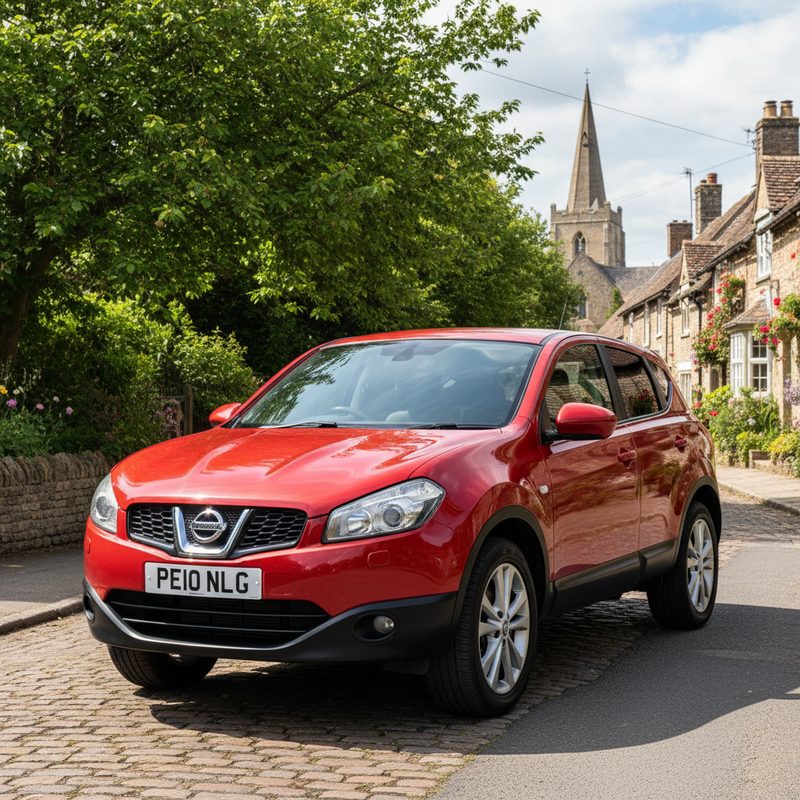
Nissan Qashqai at 100k Miles: What Breaks First
Explore the potential issues and maintenance needs of a Nissan Qashqai at 100k miles, ensuring you make an informed purchase decision.
Understanding the Nissan Qashqai at 100k Miles
The Nissan Qashqai has become a popular choice among UK drivers, thanks to its blend of practicality, comfort, and style. However, as with any vehicle, the mileage can significantly impact its performance and reliability. When considering a Qashqai that has clocked 100,000 miles, it’s essential to understand what to expect. At this mileage, the car is likely to have seen a fair amount of wear and tear, and certain components may need attention.
Imagine you’re in the market for a used Qashqai. You’ve found one that seems to tick all the boxes: it’s got a decent service history, the price is right, and it’s in good condition. But it’s also got 100,000 miles on the clock. Before you take the plunge, let’s delve into what that mileage means for this vehicle.
What to Expect from a Qashqai at 100k Miles
When a Nissan Qashqai reaches the 100k-mile mark, it’s entering a phase where it has likely experienced a variety of driving conditions. Most Qashqais are built to last, but at this mileage, you should expect some signs of wear. The engine should still be running smoothly if it has been well maintained, but you might notice a few things that could indicate it’s time for some TLC.
Engine Performance
At around 100,000 miles, the Qashqai’s engine should ideally still perform well. However, it’s not uncommon for drivers to experience a decrease in fuel efficiency or a slight drop in power. If the car has been regularly serviced, you should expect the engine to be in decent shape, but it’s wise to check for any unusual noises or vibrations that could indicate underlying issues.
Transmission
The Qashqai typically comes with either a manual or automatic transmission. At this mileage, the automatic gearbox may start to show signs of wear, such as delayed shifting or rough transitions. If you’re considering a model with a CVT (continuously variable transmission), be particularly vigilant, as these can be more prone to issues than traditional gearboxes. A well-maintained transmission should still function smoothly, but it’s worth having a mechanic inspect it if you’re unsure.
Suspension and Steering
The suspension system is another area that may require attention at this mileage. You might notice a decrease in ride comfort, with bumps feeling more pronounced. Listen for any clunking noises when going over bumps, which could indicate worn-out shock absorbers or struts. The steering should feel responsive, but if it’s loose or makes strange noises, it could be a sign that the steering components are wearing out.
Components That Typically Need Attention at This Mileage
As the Qashqai ages, certain components are more likely to require replacement or repair. Knowing what to look for can save you from unexpected expenses down the line.
Timing Chain or Belt
One of the most critical components to check is the timing chain or belt. Depending on the engine variant, the Qashqai may have either. If it has a timing belt, it’s crucial to ensure it has been replaced at the recommended intervals, usually around 60,000 to 100,000 miles. A timing belt failure can lead to catastrophic engine damage, so don’t overlook this.
Brakes
Brakes are another area that often needs attention around this mileage. Check for any signs of wear on the brake pads and discs. If the car has been driven in urban areas, it may have required more frequent braking, leading to quicker wear. A good rule of thumb is to replace brake pads every 30,000 to 50,000 miles, so if they haven’t been changed recently, you might be looking at additional costs.
Tyres
Tyres are essential for safety and performance, and at 100k miles, they may be nearing the end of their lifespan. Inspect the tread depth and look for any uneven wear, which could indicate alignment issues. If the tyres are worn out, you’ll need to budget for new ones, which can cost anywhere from £300 to £600 for a full set, depending on the brand and type.
Exhaust System
The exhaust system can also show signs of wear at this mileage. Look for any rust or holes in the exhaust pipes, as these can lead to increased emissions and decreased fuel efficiency. A failing catalytic converter is another potential issue, which can be costly to replace, often running into the hundreds of pounds.
Is the Price Usually Right for This Mileage? What Discount to Expect
When it comes to pricing, a Nissan Qashqai with 100,000 miles should be significantly cheaper than a similar model with lower mileage. Generally, you can expect to see a price drop of around 20-30% for vehicles that have crossed the 100k-mile threshold. However, the exact discount can vary based on factors such as condition, service history, and market demand.
Typical Price Ranges
For a well-maintained Qashqai at 100,000 miles, you might be looking at prices ranging from £6,000 to £10,000, depending on the model year and specification. For example, a 2015 model in good condition might be priced around £8,000, while a 2010 model could be closer to £6,000. It’s essential to compare prices across various listings to ensure you’re getting a fair deal.
Negotiation Tips
When negotiating the price, be armed with knowledge about common issues at this mileage. If you notice any of the wear and tear mentioned earlier, use that as leverage to negotiate a lower price. Additionally, if the seller cannot provide a comprehensive service history, it’s a red flag that should also factor into your negotiations.
Red Flags in the MOT History at This Mileage
An MOT history can provide valuable insights into a vehicle’s condition, especially at 100,000 miles. When reviewing the MOT history, look for any recurring issues or advisories that could indicate ongoing problems.
Common MOT Failures
Common reasons for MOT failures in Qashqais at this mileage include issues with the brakes, suspension, and emissions. If the car has failed its MOT in the past, check to see if the issues were resolved satisfactorily. A pattern of repeated failures can indicate that the previous owner may not have taken proper care of the vehicle.
Advisory Notices
Advisory notices on the MOT certificate can also be a cause for concern. If the car has numerous advisories, particularly related to critical components like brakes, tyres, or suspension, it’s worth considering whether you want to take on that risk. A vehicle with a clean MOT history and no advisories is generally a better bet.
Mileage Discrepancies
Lastly, be cautious of any discrepancies in the mileage recorded on the MOT history. If the mileage seems inconsistent or unusually low for the age of the vehicle, it could be a sign of clocking, which is illegal and can lead to significant issues down the line. Always verify the mileage against the service history and previous MOT certificates.
Dave's Verdict: Worth the Risk or Walk Away?
So, is a Nissan Qashqai at 100,000 miles worth the investment, or should you walk away? The answer isn’t straightforward and depends on several factors.
Assessing Condition
If the Qashqai has been well-maintained, has a solid service history, and shows minimal signs of wear, it could still be a reliable vehicle for several more years. Many Qashqais are known to last well beyond 150,000 miles with proper care. However, if the car shows signs of neglect or has a patchy MOT history, it might be best to look elsewhere.
Budget Considerations
Consider your budget as well. If you’re prepared for potential repairs and maintenance costs, a high-mileage Qashqai can be a cost-effective choice. However, if you’re looking for a vehicle with minimal upkeep, it might be worth investing in a lower-mileage option.
Final Thoughts
Ultimately, purchasing a Nissan Qashqai at 100,000 miles can be a gamble. If you’re willing to do your homework, check the vehicle’s history, and have it inspected by a trusted mechanic, you could find a gem that serves you well for years to come. Just remember to check the mileage history with my free report to ensure you’re making a smart decision.
In conclusion, while a Qashqai at this mileage can offer great value, it’s crucial to approach the purchase with caution. By being aware of potential issues and doing your due diligence, you can make an informed choice that suits your needs and budget. Happy car hunting!