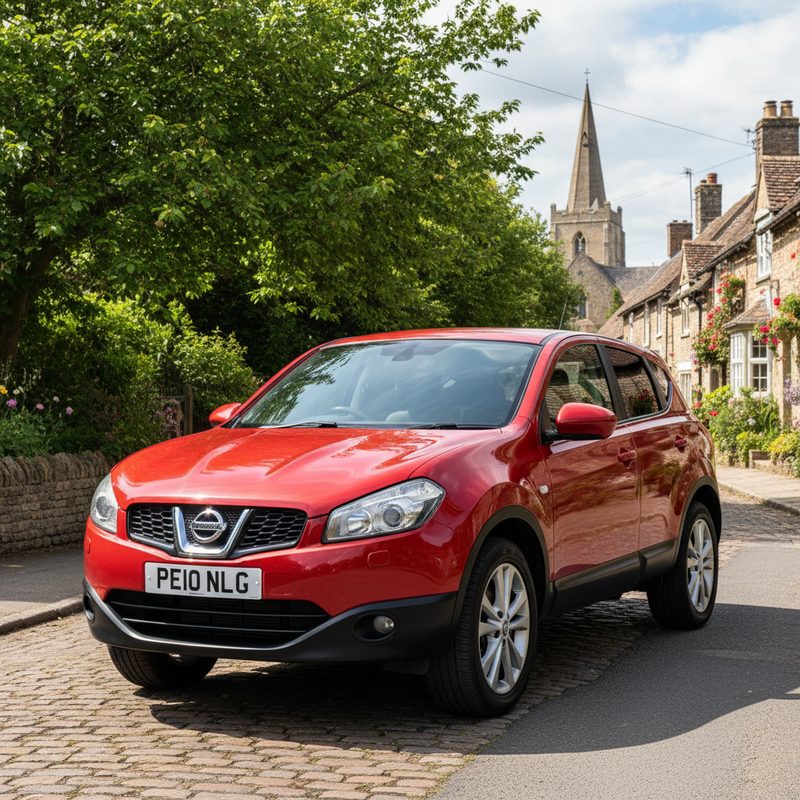
Nissan Qashqai With 60,000 Miles: Good Buy
Considering a Nissan Qashqai with 60,000 miles? This guide covers what to expect, potential issues, price insights, and whether it's a good buy.
What to Expect from a Nissan Qashqai at 60,000 Miles
When considering a Nissan Qashqai with around 60,000 miles on the clock, it's essential to understand what this mileage signifies in terms of the vehicle's condition and performance. Generally, a Qashqai at this mileage is considered to be in the mid-range of its life cycle. Most Qashqai models are designed to last well beyond 100,000 miles with regular maintenance, so a car with 60,000 miles can still offer plenty of life left.
At this stage, you can expect the car to be relatively reliable, provided it has been well maintained. The engine should be running smoothly, and the transmission should be functioning without issues. However, it’s worth noting that some components may start to show signs of wear, especially if the car has not been serviced regularly.
A well-maintained Qashqai at this mileage can still offer good fuel efficiency, decent performance, and a comfortable driving experience. However, potential buyers should be vigilant and conduct thorough checks to ensure that the vehicle has been cared for properly.
In terms of features, you can expect a decent level of technology and comfort in a Qashqai from around 2016 or later, including infotainment systems, safety features, and possibly even advanced driver-assistance systems, depending on the trim level.
Components That Typically Need Attention at This Mileage
As with any used car, certain components of the Nissan Qashqai may require attention or replacement by the time it reaches 60,000 miles. Here are some key areas to focus on:
1. Brakes
Braking systems are crucial for safety, and at 60,000 miles, you should check the condition of the brake pads and discs. Depending on driving habits and conditions, these components may need replacing. Generally, brake pads can last anywhere from 30,000 to 70,000 miles, so it's essential to inspect them closely.
2. Tyres
Tyres should also be inspected for tread wear and overall condition. A Qashqai with 60,000 miles may have tyres that are nearing the end of their life, especially if they haven’t been rotated regularly. Look for uneven wear patterns, which could indicate alignment issues or suspension problems.
3. Suspension Components
The suspension system, including shocks and struts, may start to show signs of wear at this mileage. Listen for any unusual noises when driving over bumps and check for leaks around the suspension components. Replacing worn shocks or struts can significantly improve ride quality.
4. Timing Chain/Belt
While many modern Nissan engines use a timing chain that can last the lifetime of the engine, it's still worth checking the service history to ensure that any recommended maintenance has been performed. If the Qashqai has a timing belt, it may need replacing around this mileage, typically between 60,000 and 100,000 miles.
5. Battery
Batteries can start to lose their charge after about 4-5 years, so if the Qashqai is around that age, it’s worth checking the battery’s health. A weak battery can lead to starting issues, especially in colder months.
6. Fluids
Regular fluid changes are vital for the longevity of any vehicle. At 60,000 miles, ensure that the engine oil, coolant, brake fluid, and transmission fluid have been changed as per the manufacturer’s recommendations. Neglecting fluid changes can lead to severe engine and transmission issues down the line.
Is the Price Usually Right for This Mileage? What Discount to Expect
When it comes to pricing, a Nissan Qashqai with 60,000 miles typically falls within a reasonable price range, but this can vary significantly based on factors such as age, condition, trim level, and market demand. On average, you might expect to pay between £12,000 and £16,000 for a well-maintained model, depending on its specifications and features.
Factors Influencing Price
- Age of the Vehicle: A newer model with 60,000 miles will generally command a higher price than an older one. For example, a 2018 model may be priced higher than a 2015 model, even if both have similar mileage.
- Trim Level: Higher trim levels with more features (like leather seats, advanced infotainment systems, and safety features) will typically be priced higher than base models.
- Service History: A full service history can add value to the vehicle, while a lack of documentation may lead to a lower price.
- Condition: The overall condition of the car, including the exterior, interior, and mechanical aspects, will significantly affect its price. A car that has been well cared for will be worth more.
Discounts to Expect
When negotiating the price, it’s reasonable to expect a discount of around 5-10% off the asking price if you can identify any minor issues or if the service history is lacking. For instance, if a seller is asking £14,000 for a Qashqai, aiming for a price closer to £12,600 to £13,300 could be a fair target, especially if you can point out areas that may need attention.
Red Flags in the MOT History at This Mileage
The MOT history of a Nissan Qashqai can reveal a lot about its past and potential future issues. At 60,000 miles, you should pay particular attention to the following red flags:
1. Frequent Failures
If the vehicle has a history of frequent MOT failures, this could indicate underlying problems that have not been addressed. Look for patterns in the failures, such as recurring issues with brakes, emissions, or suspension components.
2. Advisories
Advisories are warnings that something may need attention soon. If you see multiple advisories on the MOT history, it’s worth investigating further. Common advisories for a Qashqai at this mileage might include worn brake pads, suspension wear, or tyre issues.
3. Mileage Discrepancies
Check for any discrepancies in the recorded mileage over the years. If the mileage appears to jump significantly from one year to the next, this could indicate potential odometer tampering, which is a serious red flag.
4. Rust Issues
While the Qashqai is generally well-built, it’s not immune to rust, especially in older models. If the MOT history shows advisories for rust, particularly in structural areas, this could lead to costly repairs down the line.
5. Emissions Failures
If the vehicle has failed emissions tests, it could indicate issues with the engine or exhaust system. This is particularly concerning as it could lead to expensive repairs and may affect the car's roadworthiness.
Dave's Verdict: Worth the Risk or Walk Away?
So, is a Nissan Qashqai with 60,000 miles a good buy? Generally speaking, yes, it can be a solid choice, provided you do your homework. The Qashqai is known for its reliability, practicality, and comfort, making it a popular choice among families and commuters alike.
However, as with any used car, due diligence is crucial. Ensure you check the service history, look for any signs of wear and tear, and pay close attention to the MOT history. If you find a well-maintained Qashqai with a clean history, it could serve you well for many more miles.
Before making a purchase, I highly recommend checking the vehicle’s mileage history with my free report. This will give you peace of mind and help you make an informed decision. Remember, a little bit of research can save you a lot of hassle down the road.
In conclusion, a Nissan Qashqai with 60,000 miles can be a great buy if you approach the purchase with caution and awareness. With the right checks and a good understanding of what to expect, you could find yourself behind the wheel of a reliable and enjoyable vehicle. Happy car hunting!