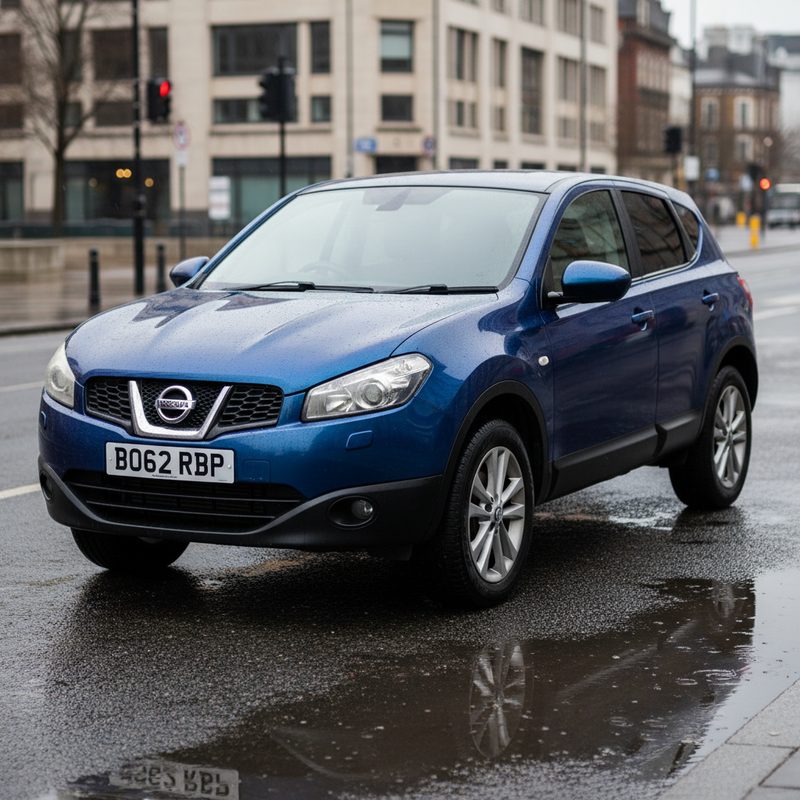
2019 Nissan Qashqai Tekna: Is It Worth It
Considering a 2019 Nissan Qashqai Tekna? This guide covers everything from common issues to running costs, helping you decide if it's the right choice for you.
Overview of the 2019 Nissan Qashqai Tekna
The 2019 Nissan Qashqai Tekna is a popular choice in the compact SUV segment, known for its stylish design, practicality, and a decent array of tech features. This model sits comfortably in the middle of the Qashqai range, offering a good balance between price and features. With a spacious interior, a smooth ride, and a reputation for reliability, it’s no wonder that many buyers are drawn to it. But is it worth the investment? Let’s dive deeper into what makes this model tick, and whether it’s a smart buy for your needs.
The Tekna trim level is particularly appealing, as it comes loaded with features that enhance both comfort and safety. You’ll find leather upholstery, a panoramic sunroof, and advanced driver assistance systems that make driving easier and safer. However, like any used car, it’s essential to weigh the pros and cons before making a decision.
Common Problems and Known Issues
When considering a used car, it’s crucial to be aware of any common problems associated with that model. The 2019 Nissan Qashqai Tekna has generally received positive reviews, but there are a few issues that have been reported by owners.
1. Transmission Problems
One of the most frequently mentioned issues involves the Continuously Variable Transmission (CVT). Some owners have reported a delay in acceleration or a shuddering sensation when accelerating. While this isn’t universal, it’s worth checking if the specific vehicle you’re considering has had any transmission issues reported.
2. Electrical Gremlins
Another area of concern is the electrical system. Some drivers have experienced problems with the infotainment system, including glitches and occasional failures. While these issues can often be resolved with software updates, it’s advisable to ensure that the vehicle has the latest updates installed.
3. Suspension Wear
As with many vehicles, wear and tear on the suspension components can occur, especially if the car has been driven on rough roads. Listen for any unusual noises when driving over bumps, as this could indicate worn shock absorbers or struts.
4. Brake Issues
Some owners have reported premature wear on brake pads and discs, particularly on models that have been driven in urban environments. It’s worth checking the service history to see if the brakes have been replaced recently, as this can be a significant cost if they need attention soon after purchase.
5. Dents and Scratches
While not a mechanical issue, the Qashqai’s bodywork can be susceptible to minor dents and scratches, particularly on the bumpers. If you’re buying used, inspect the exterior closely for any signs of previous accidents or poor repairs.
MOT Failure Patterns
Understanding the common MOT failure patterns for the 2019 Nissan Qashqai Tekna can help you make a more informed decision. Generally, this model has a good track record for passing its MOT, but there are a few areas to keep an eye on.
1. Lights and Indicators
A common reason for MOT failures across many vehicles, including the Qashqai, is faulty lights. Check that all headlights, brake lights, and indicators are functioning correctly before your MOT. Replacing bulbs is usually a straightforward fix, but it’s best to ensure everything is in working order beforehand.
2. Brakes
As mentioned earlier, brake wear can be an issue. During an MOT, the tester will check the condition of the brake pads and discs, and if they’re below the minimum thickness, it could lead to a failure. Make sure to check the service history for any recent brake work.
3. Tyres
Tyre condition is another common failure point. The legal minimum tread depth in the UK is 1.6mm, but for safety, it’s advisable to replace tyres when they reach 3mm. Inspect the tyres for uneven wear, which could indicate alignment issues.
4. Suspension Components
Suspension issues can also lead to MOT failures. Look for any signs of leaks from shock absorbers, and listen for any knocking noises when driving over bumps. If the car has been well-maintained, this should not be a significant concern.
5. Exhaust Emissions
Finally, emissions testing is a critical part of the MOT. Ensure that the vehicle’s exhaust system is in good condition and that there are no warning lights on the dashboard related to emissions. A well-maintained Qashqai should pass this test without any issues.
What You Should Expect to Pay
When it comes to pricing, the 2019 Nissan Qashqai Tekna can vary significantly based on factors such as mileage, condition, and whether it’s being sold by a dealer or a private seller. On average, you can expect to pay between £20,000 and £25,000 for a well-maintained model with reasonable mileage.
1. Mileage Considerations
Typically, a 2019 model will have between 20,000 to 40,000 miles on the clock. Higher mileage vehicles may be priced lower, but be cautious of potential wear and tear. Always check the service history to ensure it has been well looked after.
2. Dealer vs. Private Sales
Buying from a dealer usually comes with a higher price tag, but it often includes a warranty and a more thorough inspection. Private sales can save you money, but ensure you do your due diligence to avoid any hidden issues.
3. Additional Costs
Don’t forget to factor in additional costs such as road tax, insurance, and any potential servicing that may be required soon after purchase. The Qashqai generally has reasonable running costs, but it’s always wise to budget for these expenses.
Running Costs Overview
Understanding the running costs of the 2019 Nissan Qashqai Tekna is essential for budgeting purposes. Here’s a breakdown of what you can expect:
1. Insurance
Insurance premiums can vary based on your location, driving history, and the specific model. On average, you can expect to pay between £600 and £800 per year for comprehensive cover. It’s worth shopping around for quotes, as prices can differ significantly between providers.
2. Fuel Economy
The Qashqai offers decent fuel economy, with the petrol variants averaging around 45-50 mpg, while the diesel models can achieve up to 65 mpg. This makes it a relatively economical choice for a compact SUV, especially if you do a lot of motorway driving.
3. Servicing Costs
Regular servicing is crucial for maintaining the vehicle’s performance and reliability. A standard service will typically cost between £150 and £250, depending on the garage and the specific work required. It’s advisable to stick to the manufacturer’s recommended service schedule to keep everything in check.
4. Road Tax
Road tax for the 2019 Qashqai Tekna will depend on the engine size and emissions. Generally, you can expect to pay around £150 to £200 per year. Check the specific vehicle’s tax band for accurate figures.
5. Depreciation
Like all cars, the Qashqai will depreciate over time. However, it tends to hold its value relatively well compared to some competitors. Expect a depreciation rate of around 40-50% over the first three years, which is fairly standard for this segment.
Dave's Honest Verdict
So, is the 2019 Nissan Qashqai Tekna worth your hard-earned cash? In my honest opinion, it’s a solid choice for anyone looking for a reliable, stylish, and practical compact SUV. The blend of comfort, technology, and decent fuel economy makes it a great option for families or individuals alike.
However, it’s essential to do your homework. Be aware of the common issues, check the service history, and don’t skip the all-important test drive. If you find a well-maintained model with reasonable mileage and a good price, you could be onto a winner.
In summary, I’d recommend the Qashqai Tekna as a buy, provided you take the necessary precautions to ensure you’re getting a good one. And remember, if you’re considering a specific vehicle, check it instantly with my free vehicle intelligence report to uncover any hidden issues or concerns. Happy car hunting!