Nissan Leaf Depreciation: Electric Car Resale Trap
Discover how to navigate the depreciation landscape of the Nissan Leaf and make informed decisions when buying used electric cars.
Understanding the Depreciation Curve of the Nissan Leaf
The Nissan Leaf has been a prominent player in the electric vehicle (EV) market since its introduction. However, like all cars, it experiences depreciation, and understanding this curve is crucial for potential buyers. The depreciation of a vehicle is often steepest in the first few years, and the Leaf is no exception. Typically, a new Leaf can lose around 40% of its value within the first three years. This rapid depreciation can be attributed to several factors, including the initial high purchase price, the influx of new EV models, and the evolving technology landscape.
In the current market, a three-year-old Nissan Leaf might be valued at approximately £15,000, down from an original price of around £25,000. By the time it reaches the five-year mark, you might see values drop further to about £10,000, representing a staggering 60% depreciation from its original price. This steep decline can be alarming, but it also presents an opportunity for savvy buyers looking for a used electric vehicle.
The Sweet Spot Age: Best Year to Buy for Value
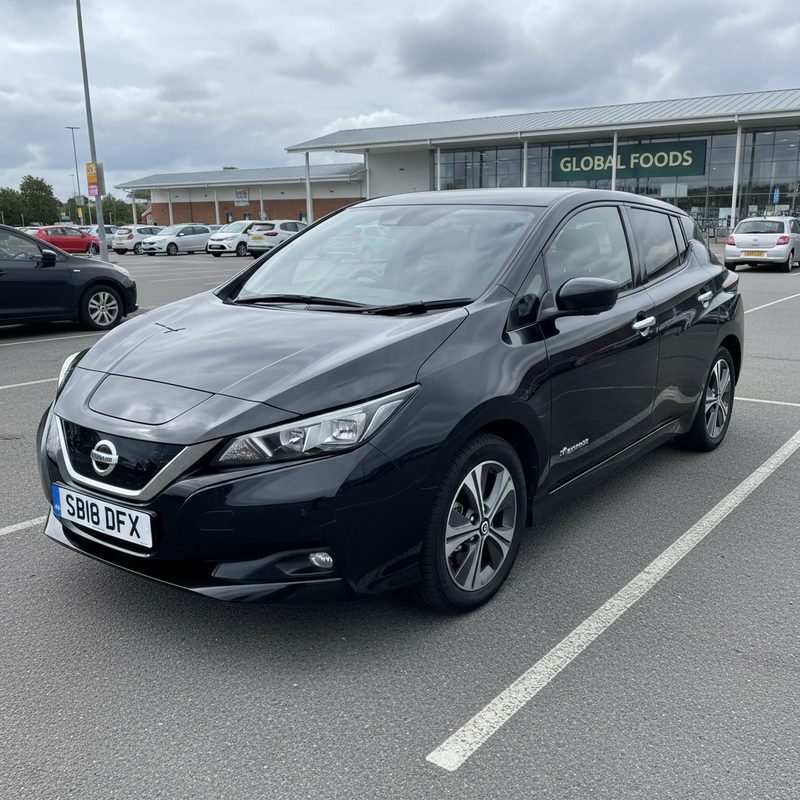
So, when is the best time to buy a used Nissan Leaf? The sweet spot for value typically lies between three to five years old. At this age, the vehicle has already undergone the most significant depreciation, making it a financially savvy choice. For example, a 2018 Nissan Leaf may be listed for around £15,000, which is a much more appealing price compared to its original cost.
Buying a Leaf in this age range allows you to benefit from the latest technology and features without the hefty price tag of a new model. Additionally, many of these vehicles will still be under warranty, providing peace of mind as you transition into electric driving.
If you are weighing up alternatives, our guide to Volkswagen T-Cross Depreciation covers similar ground from a different angle.
It's worth noting that the Nissan Leaf has undergone several updates since its launch, with improvements in battery technology and range. Therefore, opting for a model from 2018 onwards is advisable, as these versions offer better performance and efficiency compared to earlier iterations.
Which Variants/Specs Hold Value Best?
Not all Nissan Leaf variants are created equal when it comes to holding their value. The Leaf comes in various trims, including the Acenta, N-Connecta, and Tekna. Generally, the higher-spec models, such as the Tekna, tend to retain their value better due to their additional features and technology.
For example, a Tekna model might include advanced safety features, a premium sound system, and enhanced interior materials, making it more desirable in the used market. Buyers are often willing to pay a premium for these added comforts and technologies, which can help mitigate depreciation.
For more on this topic, take a look at our Hyundai i30 Depreciation guide.
Another factor to consider is battery capacity. The Nissan Leaf has evolved from a 24 kWh battery in earlier models to a more robust 62 kWh in the latest versions. The larger battery not only provides a longer range but also appeals to buyers looking for practicality in their electric vehicle. As a result, models with the larger battery are likely to hold their value better than their smaller counterparts.
Factors That Affect the Nissan Leaf's Resale Value
Several factors can influence the resale value of a Nissan Leaf, and understanding these can help you make a more informed purchase. One of the most significant factors is mileage. Like any vehicle, lower mileage typically equates to a higher resale value. A Leaf with less than 30,000 miles will generally command a better price than one with over 60,000 miles.
Another critical factor is the condition of the battery. The Leaf's battery health can significantly impact resale value. If you're considering a used Leaf, it's essential to check the battery's state of health, which can be done through a simple diagnostic check. A healthy battery will ensure that the vehicle retains its range and performance, making it more appealing to potential buyers in the future.
You might also find our Vauxhall Crossland Depreciation guide useful alongside this one.
Market demand also plays a crucial role. As electric vehicles become more mainstream, the demand for used models like the Leaf is likely to increase. However, keep an eye on the competition; as more manufacturers enter the EV market, the value of older models may decline faster than anticipated.
Lastly, the overall condition of the car, including service history and any accident reports, will also affect resale value. A well-maintained Leaf with a full service history will always be more attractive than one with a questionable past. You can check the vehicle's history using the DVLA vehicle check service to ensure you're making a sound investment.
How to Minimise Depreciation When You Buy
Minimising depreciation starts with making informed choices at the point of purchase. Here are some strategies to consider:
We have covered related ground in our Volkswagen Golf Resale Value guide, which is worth reading if this subject interests you.
-
Choose the Right Model: As discussed, opting for a higher-spec variant like the Tekna can help retain value better than lower trims. Additionally, consider models with larger battery capacities for better range and desirability.
-
Buy at the Right Time: Timing your purchase can make a significant difference. The best time to buy a used Leaf is typically at the end of the month or during the winter months when demand is lower. Dealers may be more willing to negotiate during these times.
-
Keep Mileage Low: If possible, try to limit your mileage. The less you drive, the better your resale value will be. Consider using public transport for short trips or carpooling to keep the mileage down.
You can check the exact safety score for any model on the Euro NCAP website.
-
Maintain the Vehicle: Regular servicing and maintenance will keep your Leaf in top condition. Ensure you follow the manufacturer's service schedule and keep records of all work done. A well-maintained vehicle is always more appealing to buyers.
-
Consider Battery Health: As mentioned earlier, battery health is vital for resale value. If you notice any decline in performance, consider consulting a professional to assess the battery's condition and address any issues before they become significant problems.
Dave's Recommendation on Timing Your Purchase
When it comes to timing your purchase, I recommend keeping an eye on market trends and being patient. The Nissan Leaf has a solid reputation, and as more people transition to electric vehicles, the demand for used models will likely increase. However, don’t rush into a purchase just because you feel the pressure.
If things go wrong after purchase, Citizens Advice can help you understand your legal rights.
Monitor listings on platforms like AutoTrader and compare prices across different models and trims. Look for deals that seem too good to be true, as they often are. If you find a Leaf that fits your criteria and is priced reasonably, don’t hesitate to act, but always ensure you do your due diligence first.
In conclusion, the Nissan Leaf presents a unique opportunity for those looking to enter the electric vehicle market. By understanding the depreciation trends, knowing the best models to buy, and being aware of the factors that affect resale value, you can make a smart investment. Remember, the key to minimising depreciation lies in making informed choices and maintaining your vehicle well. So, before you hit the road in your new Leaf, why not check its value with my free report? It could save you a lot of money in the long run!
Conclusion
Navigating the used car market can be tricky, especially with electric vehicles like the Nissan Leaf. By understanding the depreciation curve, identifying the sweet spot for buying, and knowing which variants hold their value best, you can make a more informed decision. Remember to consider factors like mileage, battery health, and overall condition when evaluating a potential purchase.
With the right approach, you can enjoy the benefits of electric driving without falling into the resale trap. So, whether you're a first-time buyer or looking to upgrade, keep these tips in mind, and you'll be well on your way to finding the perfect Nissan Leaf for your needs. Don't forget to check any Nissan Leaf's value with my free report. It could be the best decision you make in your car-buying journey!