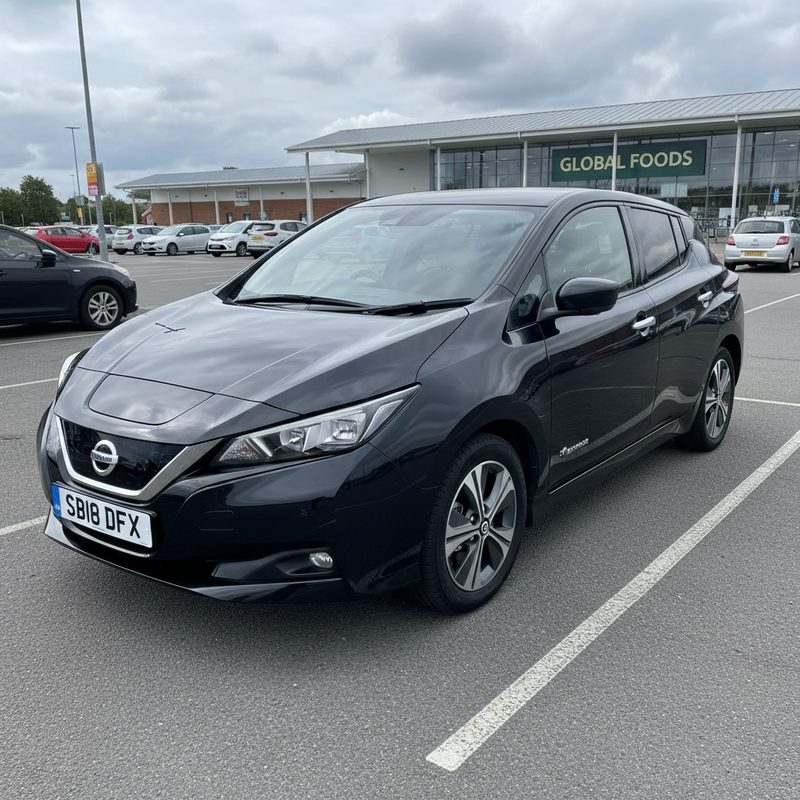
Nissan Leaf 40kWh Battery Degradation After 5 Years
Discover how the Nissan Leaf's 40kWh battery holds up after five years, including degradation insights, charging costs, and practical ownership tips.
Understanding Battery Degradation in the Nissan Leaf
When it comes to electric vehicles (EVs), the battery is the heart of the machine. In the case of the Nissan Leaf, particularly the 40kWh model, understanding battery degradation is crucial for potential buyers. After five years of ownership, how does the battery hold up? What should you expect in terms of performance and longevity? Let’s dive into the nitty-gritty of battery health, degradation rates, and what that means for you as a prospective owner.
What is Battery Degradation?
Battery degradation refers to the gradual loss of a battery's capacity to hold a charge over time. For EVs like the Nissan Leaf, this means that the range you could expect when the car was new may not be the same after several years of use. Factors that contribute to battery degradation include temperature, charging habits, and overall usage patterns.
For the Nissan Leaf 40kWh, studies and real-world data suggest that you can expect around 10-20% degradation after five years, depending on how the vehicle has been treated. This means that if you started with a range of about 124 miles (the official figure), you might now be looking at around 99-111 miles of usable range.
Key Factors Influencing Battery Health
Several factors can influence how quickly a battery degrades:
- Charging Habits: Regularly charging to 100% or letting the battery drop below 20% can accelerate degradation. Ideally, keep your charge between 20-80% for optimal health.
- Temperature: Extreme temperatures can be detrimental. If the Leaf has been exposed to high temperatures frequently, this could lead to quicker degradation.
- Driving Style: Aggressive driving can put more strain on the battery, leading to faster wear and tear.
How to Check Battery Health
Before purchasing a used Nissan Leaf, it’s essential to check the battery health. Nissan provides a battery capacity gauge on the dashboard that indicates the current state of the battery. However, the most reliable way to assess battery health is through a detailed health report.
Dave's free EV health report can provide insights into the battery's current capacity and degradation level, giving you peace of mind before making a purchase. This report can be a game changer in your buying process, ensuring you’re not left with a lemon.
Real-World Range vs Manufacturer Claims
When the Nissan Leaf 40kWh was first released, it boasted an impressive range of up to 124 miles on a full charge. However, as we’ve discussed, real-world conditions often differ from manufacturer claims. After five years, you might be looking at a reduced range, especially if the car has been heavily used.
Real-World Driving Conditions
In real-world driving conditions, several factors can affect range:
- Weather: Cold weather can reduce battery efficiency, leading to lower range. On a chilly winter day, you might find your Leaf struggling to reach even 90 miles.
- Terrain: Hilly areas can also impact range. If you live in a region with steep inclines, expect the range to drop further.
- Accessories: Using the heater or air conditioning can sap battery power, further reducing your effective range.
What Owners Are Reporting
Many Nissan Leaf owners have reported that after five years, their Leaf typically achieves around 80-90% of the original range. This means you could realistically expect a range of about 99-111 miles, depending on the factors mentioned above. It’s important to note that this can vary significantly based on individual usage and care.
Charging Costs and Infrastructure
Charging your Nissan Leaf is one of the most significant considerations for any EV owner. Understanding the costs associated with charging and the available infrastructure is crucial for budgeting and convenience.
Home Charging Costs
If you’re charging at home, you’ll primarily rely on your domestic electricity supply. The average cost of electricity in the UK is around 34p per kWh (as of late 2023). If you charge your Leaf from empty to full (40kWh), it would cost approximately:
- Cost to Charge: 40 kWh x £0.34 = £13.60
This means that a full charge could provide you with a range of about 99-111 miles for just £13.60. Not too shabby, right?
Public Charging Costs
Public charging can vary significantly in price. Rapid chargers at service stations can charge you £0.30 to £0.79 per kWh, depending on the provider. This means a full charge could cost between £12 and £31.60.
Charging Infrastructure
The UK has made significant strides in expanding its EV charging infrastructure. With over 30,000 public charging points available, finding a place to charge your Leaf should be relatively easy. However, it’s wise to plan your routes, especially on longer journeys, to avoid running low on battery.
Common Problems Specific to the Nissan Leaf
While the Nissan Leaf is generally regarded as a reliable vehicle, it’s not without its quirks and potential issues. Being aware of these can save you time and money down the line.
Battery Management System (BMS)
One common issue reported by Leaf owners is related to the Battery Management System (BMS). If the BMS isn’t functioning correctly, it can lead to inaccurate battery readings and potentially affect charging. If you notice discrepancies in the battery capacity gauge, it’s worth getting it checked out.
Charging Port Issues
Another issue that some Leaf owners have encountered is problems with the charging port. Over time, wear and tear can lead to connectivity issues, making it difficult to charge the vehicle. Regularly inspecting the charging port for debris or damage can help mitigate this.
Software Glitches
Like many modern vehicles, the Nissan Leaf relies heavily on software. Some owners have reported glitches that affect the infotainment system or navigation. Keeping the software updated can help resolve these issues, but it’s something to keep in mind when considering a used model.
Running Cost Savings vs Petrol/Diesel
One of the most attractive aspects of owning an EV like the Nissan Leaf is the potential savings on running costs compared to traditional petrol or diesel vehicles. Let’s break down the numbers.
Fuel Costs
As we’ve established, charging your Leaf costs around £13.60 for a full charge, giving you a range of about 99-111 miles. In contrast, let’s consider a petrol car that averages 40 miles per gallon (mpg). With petrol prices hovering around £1.50 per litre, the cost to drive 100 miles would be approximately:
- Fuel Cost: (100 miles / 40 mpg) x £1.50 = £3.75
While the petrol car seems cheaper for that distance, consider the fact that the Leaf can be charged at home overnight, often during off-peak hours when electricity rates are lower. This can further reduce costs.
Maintenance Costs
EVs generally have lower maintenance costs compared to petrol or diesel vehicles. The Nissan Leaf has fewer moving parts, meaning less wear and tear. You won’t need to worry about oil changes, and brake wear is often reduced due to regenerative braking. This can lead to significant savings over time.
Tax Benefits
In the UK, EV owners benefit from various tax incentives. For instance, you won’t pay road tax on your Leaf, and there are often grants available for home charging points. These savings can add up, making the Leaf an even more attractive option.
Dave's Verdict — Is It Worth Going Electric?
So, is the Nissan Leaf 40kWh worth considering as your next vehicle? The answer largely depends on your driving habits and lifestyle. If you primarily drive short distances and have access to charging at home, the Leaf can be a fantastic choice.
However, if you frequently embark on long journeys or live in an area with limited charging infrastructure, you might want to consider a different option or a newer model with a larger battery capacity.
Final Thoughts
As with any used car purchase, it’s essential to do your due diligence. Checking the battery health is paramount, and that’s where Dave's free EV health report comes into play. It can provide you with invaluable insights into the battery's current state, helping you make an informed decision.
In conclusion, the Nissan Leaf 40kWh can be a reliable, cost-effective choice for many drivers. Just be sure to check the battery health and consider your driving needs before making the leap into electric ownership. Happy driving!
Check Nissan Leaf, instantly with Dave's free vehicle intelligence report.
Check any Nissan Leaf with Dave's free EV health report