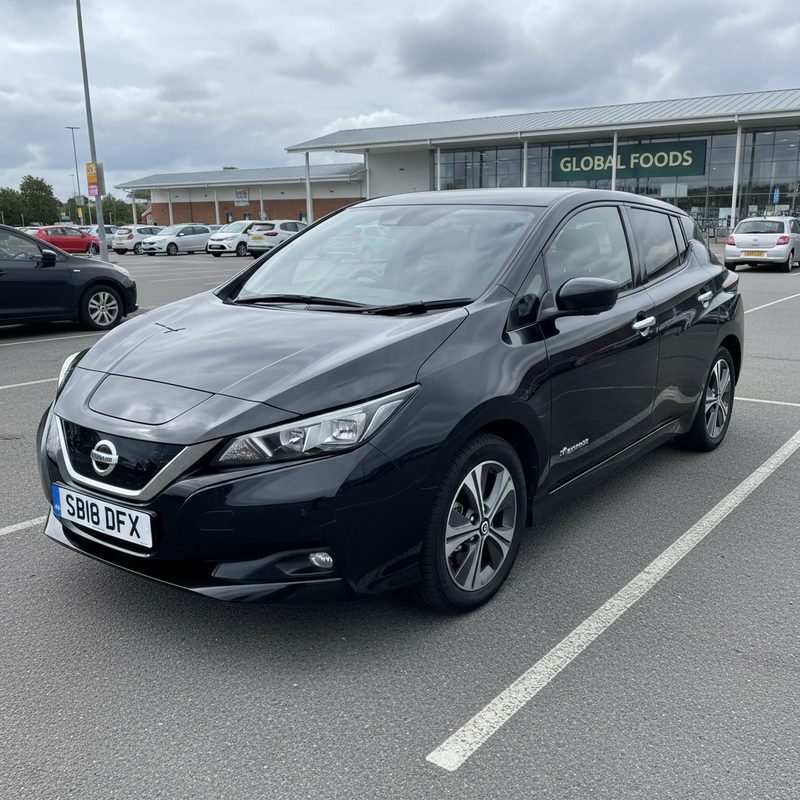
2018 Nissan Leaf 40kWh: Cheap EV Entry Point
The 2018 Nissan Leaf 40kWh offers an accessible entry point into the world of electric vehicles. Discover its strengths, weaknesses, and what to expect in terms of costs.
Overview of the 2018 Nissan Leaf 40kWh
The 2018 Nissan Leaf 40kWh stands out as an excellent entry point into the electric vehicle (EV) market. With its practical range, user-friendly technology, and affordability, it caters to those looking to transition from traditional petrol or diesel cars to a more sustainable option. The Leaf has been a popular choice among UK drivers, and the 2018 model continues this trend with a host of features designed to make electric driving as seamless as possible.
One of the most appealing aspects of the 2018 Leaf is its 40kWh battery, which provides a range of approximately 150 miles on a full charge. This makes it suitable for daily commutes and even longer journeys, depending on your driving habits. The Leaf’s design is also worth noting; it features a modern aesthetic with a spacious interior that comfortably accommodates both passengers and luggage. Moreover, the Leaf comes equipped with Nissan’s ProPILOT Assist technology, which enhances driving comfort and safety.
If you are weighing up alternatives, our guide to 2018 Vauxhall Astra covers similar ground from a different angle.
For many buyers, the prospect of owning an electric vehicle can be daunting, particularly regarding charging infrastructure and battery longevity. However, the Leaf has been designed with these concerns in mind, offering a robust warranty and a growing network of charging stations across the UK. As you consider your options, it’s essential to weigh the benefits against potential drawbacks, which we’ll explore in detail throughout this guide.
For more on this topic, take a look at our 2020 BMW 3 Series G20 guide.
Common Problems and Known Issues
While the 2018 Nissan Leaf is generally regarded as a reliable vehicle, it’s not without its issues. Understanding these common problems can help you make an informed decision when considering a used model.
You might also find our 2018 Ford S-Max guide useful alongside this one.
Battery Degradation
One of the most significant concerns for potential EV buyers is battery degradation. Although Nissan offers an eight-year or 100,000-mile warranty on the Leaf’s battery, some users have reported a noticeable drop in capacity over time. This can lead to reduced range, which may be a concern for those who rely heavily on their vehicle for daily travel. It’s advisable to check the battery health using a diagnostic tool or by asking the seller for any service records that indicate battery performance.
Charging Port Issues
Another common issue with the 2018 Leaf is related to the charging port. Some owners have experienced problems with the port becoming loose or not making a proper connection, which can hinder charging. If you’re considering a used Leaf, ensure that the charging port functions correctly and that the vehicle can charge without issues.
Software Glitches
The Leaf’s infotainment system, while generally user-friendly, has been reported to have occasional software glitches. These can manifest as freezing screens or unresponsive controls. Make sure to test the infotainment system thoroughly during a test drive to ensure everything operates smoothly.
Suspension Wear
Some drivers have noted that the suspension components can wear out faster than expected, particularly if the vehicle has been driven on rough roads. Listen for any unusual noises during your test drive and consider having a mechanic inspect the suspension if you’re unsure.
Tyre Wear
As with any vehicle, tyre wear is a concern. The Leaf’s weight can lead to increased wear on tyres, especially if they are not properly inflated. Check the tread depth and condition of the tyres when inspecting a used model. If they need replacing, factor this into your budget.
MOT Failure Patterns
Understanding the common MOT failure patterns for the 2018 Nissan Leaf can help you avoid potential pitfalls. Generally, the Leaf performs well in MOT tests, but certain areas are worth paying attention to.
We have covered related ground in our 2018 BMW 1 Series 118i guide, which is worth reading if this subject interests you.
Brakes and Suspension
Issues with brakes and suspension components are common failure points across many vehicles, including the Leaf. Ensure that the brakes are responsive and that there are no warning lights on the dashboard. A thorough inspection of the suspension system can also help identify any potential problems before they become costly repairs.
Lights and Indicators
Another frequent cause of MOT failures is lighting. Check that all lights, including headlights, brake lights, and indicators, are functioning correctly. It’s a simple check but can save you from unexpected failures during the MOT.
Battery Health
While the battery itself is not typically a direct cause for MOT failure, its performance can impact the vehicle's overall functionality. If the battery is significantly degraded, it may affect the car's ability to pass the emissions test, which is a requirement for petrol and diesel vehicles. Although the Leaf is electric, ensuring the battery operates efficiently is crucial for overall performance.
Tyres
As mentioned earlier, tyre condition is vital. The legal minimum tread depth in the UK is 1.6mm, but for safety, it’s advisable to replace tyres when they reach around 3mm. Inspecting the tyres before the MOT can help you avoid any surprises.
For a comprehensive check on the vehicle's MOT history, you can visit the GOV.UK MOT history website.
You can check the exact safety score for any model on the Euro NCAP website.
Price Expectations
When considering a used 2018 Nissan Leaf, understanding the price range is crucial for making a smart purchase. Prices can vary significantly based on mileage, condition, and the specific trim level.
If things go wrong after purchase, Citizens Advice can help you understand your legal rights.
General Price Range
As of now, you can expect to pay between £15,000 and £20,000 for a well-maintained 2018 Leaf with a decent mileage of around 20,000 to 40,000 miles. Higher mileage models may be available for as low as £12,000, but it’s essential to consider the battery health and overall condition when evaluating these options.
Trim Levels
The Leaf is available in several trim levels, including the Acenta, N-Connecta, and Tekna. The Tekna trim, which comes with additional features such as leather upholstery and advanced safety tech, tends to be priced higher, often reaching the £20,000 mark for models with lower mileage. In contrast, the Acenta trim, while still well-equipped, can be found at the lower end of the price spectrum.
Market Trends
The used EV market is evolving, and prices can fluctuate based on demand and availability. It’s wise to keep an eye on platforms like AutoTrader to monitor current listings and get a feel for the market. Additionally, consider that government incentives for electric vehicles may influence pricing, so staying informed about any changes in policy can also help you secure a better deal.
Running Costs Overview
One of the key advantages of owning an electric vehicle like the Nissan Leaf is the reduced running costs compared to traditional petrol or diesel cars. Here’s a breakdown of what you can expect in terms of insurance, fuel, and servicing costs.
You can look up the exact insurance group for any car on Thatcham's website before getting quotes.
Insurance Costs
Insurance for the 2018 Leaf is generally affordable, with most models falling into insurance groups 22 to 27. This means you can expect annual premiums ranging from £500 to £800, depending on your driving history and location. It’s always a good idea to shop around and compare quotes from different insurers to find the best deal.
Charging Costs
Charging costs will vary based on your electricity provider and whether you charge at home or use public charging stations. On average, charging the Leaf at home can cost around £5 to £7 for a full charge, depending on your electricity tariff. If you frequently use public charging stations, consider looking for those that offer free charging options, as many supermarkets and shopping centres do.
Servicing Costs
Servicing costs for the Leaf are typically lower than those for conventional vehicles since EVs have fewer moving parts. You can expect to pay around £150 to £250 for an annual service, which usually includes checks on the battery, brakes, and software updates. It’s essential to keep up with regular servicing to maintain the vehicle’s performance and warranty.
Road Tax
Electric vehicles are exempt from road tax, which is another significant saving. This exemption can save you hundreds of pounds each year compared to petrol or diesel vehicles. However, it’s worth checking the GOV.UK road tax website for any updates or changes in legislation.
Dave's Honest Verdict
The 2018 Nissan Leaf 40kWh is a compelling choice for anyone looking to dip their toes into the electric vehicle market. With its practical range, low running costs, and a host of modern features, it offers a well-rounded package that meets the needs of many drivers. However, potential buyers should be aware of common issues such as battery degradation and charging port problems, which can affect long-term ownership satisfaction.
If you’re considering a used Leaf, ensure you conduct thorough checks on battery health and overall condition. Prices are currently reasonable, making it an attractive option for budget-conscious buyers. Overall, I would rate the 2018 Nissan Leaf 40kWh as a solid buy for those looking for an affordable and efficient electric vehicle.
Final Recommendation
In conclusion, if you’re seeking a reliable and economical entry into the world of electric vehicles, the 2018 Nissan Leaf 40kWh is worth considering. Just remember to check the vehicle’s history and battery health before making a purchase. For peace of mind, you can check any Nissan Leaf instantly with Dave's free vehicle intelligence report. This will provide you with crucial information about the car’s history and condition, helping you make a more informed decision.
Conclusion
The 2018 Nissan Leaf 40kWh is more than just an electric vehicle; it’s a gateway to a more sustainable driving experience. With its affordability, practicality, and low running costs, it’s an excellent choice for those looking to make the switch from traditional fuels. By being aware of potential issues and understanding the market, you can confidently navigate your purchase and enjoy the benefits of electric driving.
Whether you’re commuting to work or taking a weekend trip, the Leaf is equipped to handle your needs while also contributing to a greener future. So, take the plunge and explore what the 2018 Nissan Leaf has to offer. You might just find it’s the perfect fit for your lifestyle.