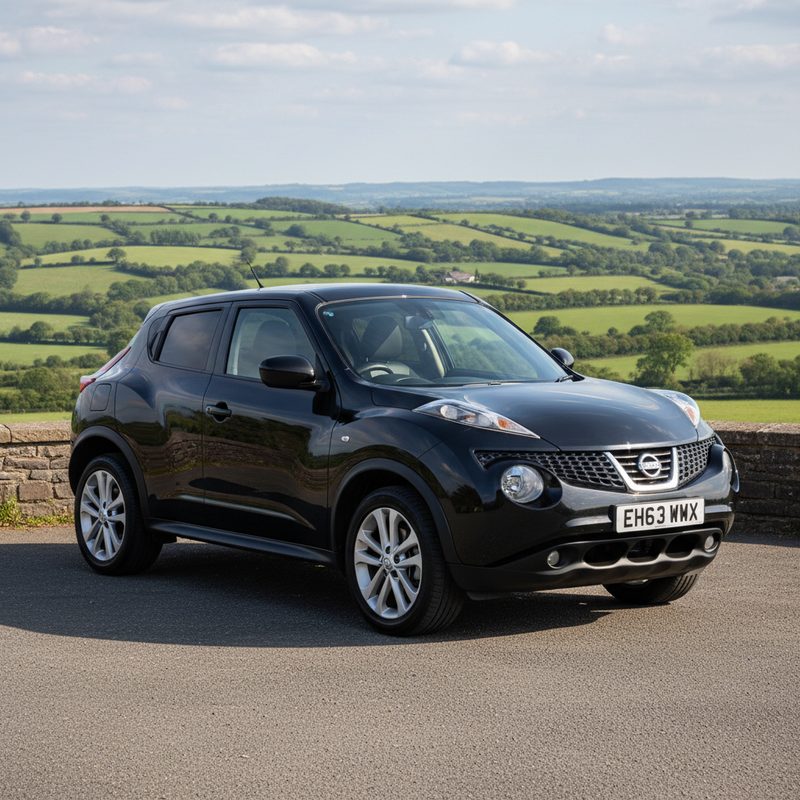
Nissan Juke Depreciation Curve UK
Understand the Nissan Juke's depreciation curve, ideal purchase timing, and how to maintain its resale value effectively.
Understanding the Depreciation Curve of the Nissan Juke
The Nissan Juke has carved out a unique niche in the UK automotive market since its launch. Known for its distinctive styling and compact size, it appeals to a wide range of buyers, from young professionals to families looking for a versatile vehicle. However, like all cars, the Juke experiences depreciation, which can significantly affect its resale value over time. Understanding the depreciation curve for the Nissan Juke is essential for anyone considering buying one, whether new or used.
Depreciation is the reduction in a vehicle's value over time, typically measured as a percentage of the original purchase price. For the Nissan Juke, the depreciation curve tends to follow a predictable pattern. In the first year, a new Juke can lose around 20-25% of its value. This steep initial drop is common across many vehicles, but the Juke's unique design and popularity can help it retain value better than some competitors.
As the years progress, the rate of depreciation generally slows. By the end of the third year, a Juke might have lost approximately 40-50% of its original value. By the fifth year, this figure can rise to about 60%. However, it’s worth noting that the Juke’s distinctive styling and strong brand loyalty can help it maintain a slightly better resale value compared to other vehicles in the same segment.
Sweet Spot Age: Best Year to Buy for Value
When considering the best time to purchase a Nissan Juke, the sweet spot typically falls around the three to five-year mark. At this age, the vehicle has already undergone the steepest depreciation, making it a more financially sound investment. For instance, a Juke that originally sold for £20,000 might be available for around £10,000 to £12,000 after three years. This price point offers a significant saving while still providing a relatively new vehicle with modern features.
If you are weighing up alternatives, our guide to Audi Q3 Depreciation covers similar ground from a different angle.
Buying a Juke that is three to five years old also means you can benefit from the remaining manufacturer's warranty, which can provide peace of mind. Additionally, many of these vehicles will have already had their first few services completed, making them less likely to have hidden issues. You can check the service history through the GOV.UK MOT history page to ensure that the vehicle has been well maintained.
Which Variants/Specs Hold Value Best
Not all Nissan Juke variants depreciate at the same rate. Generally, higher-spec models tend to hold their value better than base models. For instance, a Juke Nismo or a Juke Tekna will likely retain a higher percentage of its original value compared to the entry-level models. This is due to the additional features and performance enhancements that come with these variants, which appeal to a broader audience.
Moreover, colour can also play a role in resale value. Popular colours like black, white, and grey tend to sell better than more unusual shades. If you're considering a used Juke, it’s worth looking for one in a popular colour and a higher trim level to maximise your investment.
For more on this topic, take a look at our Hyundai Tucson Depreciation guide.
Factors That Affect the Juke's Resale Value
Several factors can influence the resale value of a Nissan Juke, and understanding these can help you make a more informed purchase. One significant factor is mileage. Generally, the lower the mileage, the higher the resale value. A Juke with under 30,000 miles will typically command a better price than one with over 60,000 miles.
Condition is another critical aspect. A well-maintained vehicle with a full service history will always be more appealing to buyers. When evaluating a Juke, look for signs of wear and tear, both inside and out. Additionally, consider the vehicle's accident history. A clean history report can significantly enhance resale value, while a vehicle that has been in accidents may struggle to sell.
Market demand also plays a crucial role. The Nissan Juke has a strong following, but trends can shift. If a new model is released or if consumer preferences change towards larger SUVs or electric vehicles, the Juke's value might be affected. Keeping an eye on market trends can help you time your purchase better.
You might also find our Ford Ranger Depreciation guide useful alongside this one.
How to Minimise Depreciation When You Buy
Minimising depreciation starts with making a smart purchase decision. As mentioned earlier, buying a Juke that is three to five years old is often the best strategy. However, there are additional steps you can take to further protect your investment.
First, consider purchasing from a reputable dealer. A dealer with a good reputation is more likely to sell you a vehicle that has been properly maintained and is free from hidden issues. Additionally, ensure that you get a comprehensive vehicle check through the DVLA vehicle check to confirm the car's history.
Second, keep the vehicle in good condition. Regular servicing, timely repairs, and maintaining a clean interior and exterior can help preserve its value. Using a reputable garage for servicing and repairs can also ensure that the car remains in top shape.
We have covered related ground in our When Does a Vauxhall Corsa Stop Depreciating? guide, which is worth reading if this subject interests you.
Lastly, consider the timing of your sale. If you plan to sell your Juke, try to do so before it hits the five-year mark, as this is typically when depreciation accelerates. Keeping an eye on seasonal trends can also help; for example, convertibles and sporty models often sell better in spring and summer.
Dave's Recommendation on Timing Your Purchase
Timing your purchase can be as crucial as the model you choose. If you're eyeing a Nissan Juke, consider shopping during the winter months. Many people tend to buy cars in the spring and summer, which can drive prices up. In contrast, during the colder months, dealers may be more willing to negotiate on price to clear out inventory.
Additionally, keep an eye on the end of the month or quarter. Many dealerships have sales targets to meet, and you might find that salespeople are more willing to offer discounts or better deals during these times.
If things go wrong after purchase, Citizens Advice can help you understand your legal rights.
Finally, always check the market value of the specific Juke you’re interested in. Websites like AutoTrader can provide insights into current market prices, helping you make a more informed decision. You can also check the value of any Nissan Juke with my free report to ensure you’re getting a fair deal.
Conclusion
The Nissan Juke is a unique vehicle that offers a blend of style, practicality, and performance. Understanding its depreciation curve can help you make a more informed decision when buying used. By focusing on the sweet spot age, selecting the right variant, and being aware of the factors that affect resale value, you can minimise depreciation and maximise your investment.
Whether you’re looking for a compact car for city driving or a versatile vehicle for family outings, the Juke can be a great choice. Just remember to do your homework, check the vehicle's history, and consider timing your purchase wisely. With the right approach, you can enjoy all the benefits of owning a Nissan Juke while keeping depreciation to a minimum.