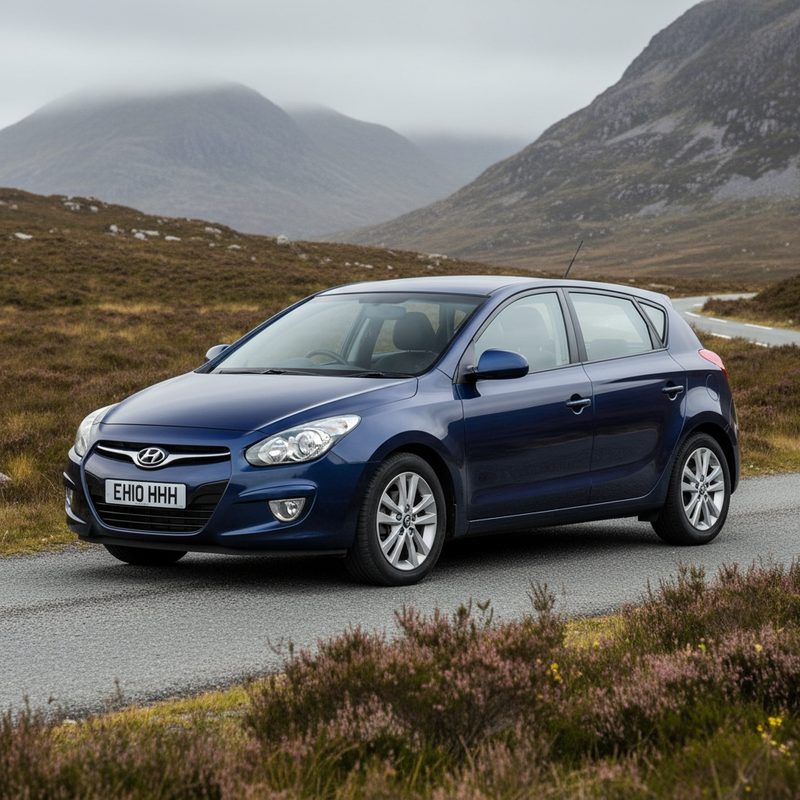
Hyundai i30 Depreciation: Budget Car Value Retention
Discover how the Hyundai i30 holds its value over time, including depreciation trends, best buying years, and tips for minimising value loss.
Understanding Depreciation for the Hyundai i30
Depreciation is a crucial factor to consider when purchasing a used car, especially if you're budget-conscious. The Hyundai i30, a popular hatchback in the UK, has shown interesting trends in its depreciation curve. Typically, cars lose value rapidly in the first few years after purchase, and the i30 is no exception. On average, a new car can lose around 20% of its value in the first year alone, and the i30 tends to follow this pattern. After three years, you might expect the i30 to have depreciated by about 40-50% of its original value, depending on the model and condition.
The depreciation curve for the Hyundai i30 is relatively standard for its class. After five years, the average depreciation can be around 60%, which is in line with many competitors in the hatchback segment. However, the i30 has a reputation for reliability and build quality, which can help it retain value better than some of its rivals. For instance, while a Ford Focus might depreciate more steeply, the i30’s solid reputation can help it hold onto a bit more of its value.
Sweet Spot Age: Best Year to Buy for Value
Finding the sweet spot in the Hyundai i30’s lifespan is essential for maximising value. Generally, the best time to buy a used i30 is between three to five years old. At this age, the car has already undergone the steepest depreciation, meaning you can acquire it at a more reasonable price without sacrificing too much in terms of features and technology.
For example, a three-year-old Hyundai i30 might be priced around £12,000, while a new model could cost upwards of £20,000. By the time it hits five years, you might find similar models for around £8,000 to £10,000. This price drop makes it an attractive option for budget-conscious buyers who want a reliable vehicle without breaking the bank.
If you are weighing up alternatives, our guide to Jaguar XE Depreciation covers similar ground from a different angle.
Additionally, when looking at specific models, the i30 N variant, known for its sporty performance, tends to hold its value better than the standard models. This is due to its niche appeal and the demand for performance-oriented hatchbacks. If you can find a well-maintained i30 N that’s three to five years old, you might be looking at a vehicle that not only offers great performance but also retains its value better than the standard models.
Which Variants/Specs Hold Value Best
The Hyundai i30 comes in various trims and specifications, and some hold their value better than others. Generally, higher-spec models with more features tend to depreciate less in percentage terms because they appeal to a broader audience. For instance, the i30 Premium and i30 N models are often sought after due to their additional features and performance capabilities.
In contrast, the base models, while cheaper initially, may not retain their value as well because they lack the appeal of the higher trims. A well-equipped i30 with features like a panoramic sunroof, advanced safety systems, and premium audio can command a higher resale price.
For more on this topic, take a look at our Tesla Model 3 Depreciation guide.
Moreover, the colour of the car can also impact resale value. Neutral colours like black, white, and grey typically sell better than more vibrant options. If you’re considering an i30, opting for a popular colour and a higher trim level can significantly affect its long-term value retention.
Factors That Affect Resale Value
Several factors can influence the resale value of a Hyundai i30. Firstly, mileage plays a significant role; the lower the mileage, the better the resale value. A well-maintained i30 with under 50,000 miles will generally fetch a higher price than one with over 100,000 miles, even if both are the same age.
Secondly, service history is crucial. A full service history indicates that the car has been well cared for, which can reassure potential buyers. Cars that have undergone regular maintenance and repairs are more likely to retain their value. You can check the MOT history of any i30 through the GOV.UK MOT history website to ensure it has passed its tests and has no outstanding issues.
You might also find our Vauxhall Astra guide useful alongside this one.
Thirdly, market demand can fluctuate. If the i30 is in high demand due to its reputation for reliability and fuel efficiency, this can positively affect resale values. Conversely, if a new model is released that overshadows the older versions, you might see a dip in prices. Keeping an eye on market trends can help you make a more informed purchase.
How to Minimise Depreciation When You Buy
Minimising depreciation starts with making smart choices at the point of purchase. Here are some practical tips to help you retain value in your Hyundai i30:
- Buy Used: As mentioned earlier, purchasing a car that is three to five years old allows you to skip the steepest depreciation. This is the most effective way to minimise value loss.
We have covered related ground in our Honda Jazz Depreciation guide, which is worth reading if this subject interests you.
-
Choose the Right Model: Opt for higher-spec models that are in demand. The i30 N, for example, is a performance model that tends to hold its value better than the standard variants.
-
Maintain the Car: Regular servicing and maintenance can keep your i30 in top condition. This not only helps with performance but also reassures future buyers that the car has been well cared for.
-
Keep Mileage Low: Try to limit your annual mileage. Cars with lower mileage are generally more desirable and can command higher prices when it comes time to sell.
You can check the exact safety score for any model on the Euro NCAP website.
-
Consider Insurance Costs: The insurance group rating can affect your overall ownership costs. The i30 generally falls into a reasonable insurance group, but checking Thatcham insurance groups can help you understand what to expect.
-
Avoid Modifications: While personalising your car can be tempting, modifications can often reduce resale value. Stick to factory specifications to appeal to a wider audience.
Timing Your Purchase: Dave's Recommendation
Timing your purchase can significantly impact the price you pay for a used Hyundai i30. The best time to buy is typically at the end of the month or quarter when dealerships are looking to meet sales targets. You might find better deals during these periods, as salespeople may be more willing to negotiate.
If things go wrong after purchase, Citizens Advice can help you understand your legal rights.
Additionally, consider shopping during the winter months. Many people prefer to buy cars in spring or summer, so you might find better prices in the colder months when demand is lower. This can lead to better deals on the i30, especially if you’re flexible with your specifications and colour preferences.
Another tip is to keep an eye on the market for new model releases. When a new version of the i30 is announced, the prices for older models often drop, creating an opportunity for savvy buyers. Websites like AutoTrader can help you track prices and find the best deals.
Conclusion
The Hyundai i30 is a solid choice for anyone looking for a reliable and budget-friendly used car. Understanding its depreciation trends can help you make a more informed decision when purchasing. By targeting the sweet spot age of three to five years, opting for higher-spec models, and maintaining the vehicle properly, you can minimise depreciation and retain value over time.
If you’re considering buying a Hyundai i30, be sure to check its value with my free report. This will give you a clearer picture of what to expect in terms of pricing and help you make a smarter purchase. Remember, the right approach can make all the difference in securing a great deal on a used car.
Whether you’re looking for a family hatchback or a sporty variant, the i30 offers a compelling package that can serve you well for years to come.