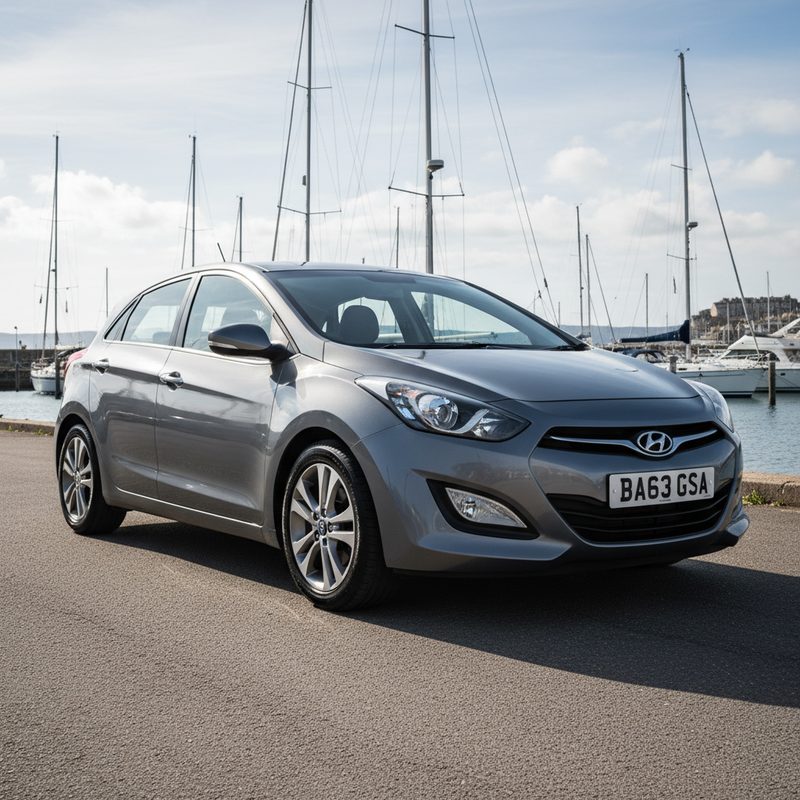
Should I Buy a 2019 Hyundai i30 N Line
Considering a 2019 Hyundai i30 N Line? This comprehensive guide covers everything from common issues to running costs, helping you make an informed decision.
Overview of the 2019 Hyundai i30 N Line
When it comes to compact hatchbacks, the 2019 Hyundai i30 N Line stands out as a sporty option that combines style, performance, and practicality. If you’re in the market for a used car that offers a bit of flair without breaking the bank, the i30 N Line is worth considering. With its aggressive styling, enhanced performance features, and a range of tech options, it appeals to a diverse audience, from young professionals to families looking for a reliable vehicle.
The N Line variant is designed to provide a sportier experience compared to the standard i30, featuring a more dynamic suspension setup, sportier styling cues, and a more engaging driving experience. However, like any used car, it comes with its own set of considerations. In this guide, we’ll delve into whether the 2019 Hyundai i30 N Line is a good buy, exploring common problems, MOT failure patterns, expected prices, running costs, and ultimately, my honest verdict on this model.
Common Problems and Known Issues
No car is perfect, and the 2019 Hyundai i30 N Line is no exception. While it generally receives positive reviews for reliability, there are a few common issues that potential buyers should be aware of. One of the most frequently reported problems involves the infotainment system. Some owners have noted that the touchscreen can be unresponsive at times, particularly in colder weather. If you’re someone who relies heavily on navigation and music streaming, this could be a significant inconvenience.
Another issue that has been reported is related to the suspension. A handful of drivers have experienced a knocking noise when driving over bumps, which could indicate worn suspension components. While this isn't a widespread problem, it’s worth checking during your test drive. Make sure to listen for any unusual sounds and feel how the car handles on uneven surfaces.
Additionally, some owners have mentioned that the automatic transmission can be a bit hesitant during low-speed manoeuvres. If you’re considering a model with an automatic gearbox, take it for a spin in various driving conditions to ensure it meets your expectations.
Lastly, while the i30 N Line is generally well-built, some owners have reported minor issues with interior trim pieces coming loose or rattling over time. This is more of a cosmetic concern, but it’s something to keep in mind, especially if you’re particular about the interior quality of your vehicle.
MOT Failure Patterns
Understanding the typical MOT failure patterns for the 2019 Hyundai i30 N Line can provide valuable insight into the vehicle's reliability and maintenance needs. Generally, the i30 N Line has performed well in MOT tests, but there are a few common areas where issues may arise.
One of the most frequent reasons for failure in many vehicles, including the i30, is related to the brakes. This can include worn brake pads or discs, which are essential for safe driving. If you’re considering a used model, it’s wise to check the service history to see if the brakes have been replaced recently. A well-maintained brake system is crucial for both safety and performance, especially in a sportier model like the N Line.
Another common area of concern is the emissions system. As cars become more sophisticated, issues with the exhaust system can lead to MOT failures, particularly if the vehicle has not been regularly serviced. The i30 N Line is equipped with a turbocharged engine, which can sometimes lead to turbo-related issues if the oil isn’t changed regularly. Make sure to check the service records for oil changes and any emissions-related repairs.
Tyres are another critical component that can lead to MOT failures. Ensure that the tread depth is above the legal limit of 1.6mm and that there are no visible signs of damage. Given the sporty nature of the N Line, the tyres may wear out faster than those on a standard hatchback, especially if the previous owner had a spirited driving style.
What You Should Expect to Pay
When it comes to pricing, the 2019 Hyundai i30 N Line offers excellent value for money in the used car market. As of now, you can expect to pay between £18,000 and £24,000, depending on the condition, mileage, and specific trim level. Models with lower mileage and a full service history will naturally command higher prices, while those with higher mileage or minor cosmetic issues may be available for less.
For instance, a well-maintained 2019 i30 N Line with around 20,000 miles on the clock could be priced at around £22,000. On the other hand, if you come across a model with 40,000 miles and a few minor scratches, you might be able to negotiate down to around £19,000. It’s essential to do your research and compare prices across various platforms, including local dealerships and online marketplaces.
Additionally, consider the potential for negotiation. Many sellers are open to offers, especially if the car has been on the market for a while. Don’t hesitate to ask for a lower price, particularly if you’ve identified any minor issues during your inspection.
Running Costs Overview
Understanding the running costs of the 2019 Hyundai i30 N Line is crucial for budgeting your purchase. While the initial price is important, ongoing costs can significantly impact your overall ownership experience.
Insurance Costs
Insurance for the i30 N Line is generally affordable, falling into group 22-25, depending on the specific model and your personal circumstances. You can expect to pay anywhere from £600 to £900 annually for comprehensive coverage. Factors such as your age, driving history, and location will influence the exact premium, so it’s wise to shop around and compare quotes from different insurers.
Fuel Efficiency
In terms of fuel economy, the i30 N Line performs admirably for a sporty hatchback. With a combined fuel consumption of around 45-50 mpg, it strikes a good balance between performance and efficiency. If you’re doing a lot of city driving, expect closer to 35-40 mpg, while motorway cruising can yield figures closer to the higher end of the spectrum. Given the current fuel prices, which hover around £1.50 per litre, you can expect to spend approximately £150-£200 a month on fuel, depending on your driving habits.
Servicing and Maintenance
Servicing costs for the i30 N Line are relatively reasonable, with annual services typically ranging from £150 to £300, depending on whether you go to a main dealer or an independent garage. Hyundai offers a five-year warranty on new cars, which may still be applicable if you’re buying a low-mileage used model. Make sure to check the warranty status, as it can save you money on repairs.
Tyres are another consideration, especially if you opt for performance-oriented rubber. Expect to pay around £100-£150 per tyre for quality brands, and keep in mind that the N Line may wear through tyres faster than a standard model due to its sportier setup.
Dave's Honest Verdict
So, should you buy a 2019 Hyundai i30 N Line? In my honest opinion, it’s a solid choice for anyone looking for a sporty hatchback that doesn’t compromise on practicality. The i30 N Line offers a great blend of performance, comfort, and technology, making it an appealing option for a wide range of buyers.
However, as with any used car, it’s essential to do your homework. Be sure to check the vehicle history, look for any signs of wear and tear, and take it for a thorough test drive. Pay particular attention to the infotainment system, suspension, and brakes, as these are common areas where issues may arise. If you find a well-maintained example with a good service history, you’re likely to be very happy with your purchase.
In conclusion, the 2019 Hyundai i30 N Line is a fantastic option for those seeking a sporty yet practical vehicle. Just remember to check any Hyundai i30 instantly with my free vehicle intelligence report to ensure you’re making a smart investment. Happy car hunting!