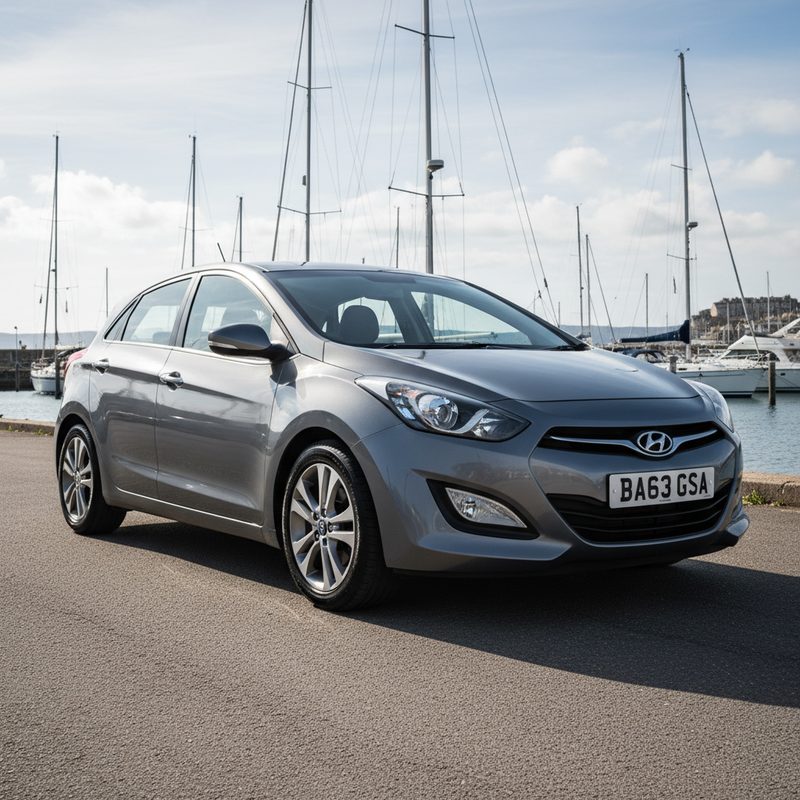
Hyundai i30 Running Costs: Budget Golf Ownership Cost
Uncover the true running costs of the Hyundai i30, from insurance to fuel and servicing, and learn how to save money while enjoying this reliable hatchback.
Introduction
The Hyundai i30 is often hailed as a budget-friendly alternative to the ever-popular Volkswagen Golf, and for good reason. With its stylish design, reliable performance, and a host of features, it’s no wonder that many UK drivers are considering this hatchback as their next purchase. But before you dive in, it’s crucial to understand the running costs associated with owning an i30. After all, it’s not just the purchase price that counts; it’s the total cost of ownership that really matters. So, let’s break down the various expenses you can expect when you own a Hyundai i30, particularly if you’re driving around 10,000 miles a year.
Total Annual Cost Estimate Breakdown
When calculating the total annual costs of owning a Hyundai i30, it’s essential to consider several factors, including insurance, fuel, servicing, and repairs. Let’s paint a realistic picture for a typical UK driver covering 10,000 miles a year.
Insurance Costs
Insurance is one of the most significant expenses for any car owner. The Hyundai i30 falls into insurance groups ranging from 12 to 20, depending on the specific model and trim. For a driver aged 30, the average annual insurance premium for an i30 is around £600. However, younger drivers can expect to pay significantly more, around £1,000 for those aged 20-25, while drivers over 50 might enjoy lower premiums, averaging £500.
Fuel Costs
Next up is fuel. The i30 boasts impressive fuel efficiency, with real-world MPG often falling short of the manufacturer’s claims. For instance, while the official figures might suggest around 55 MPG for the diesel variant, many drivers report closer to 50 MPG in mixed driving conditions. With current UK fuel prices averaging around £1.50 per litre, a driver covering 10,000 miles annually can expect to spend approximately £1,200 on fuel. This is based on a calculation of 200 gallons needed for the year, which translates to about £1,200 at the current fuel prices.
Servicing Costs
Servicing is another crucial aspect of running costs. The Hyundai i30 requires a minor service every 10,000 miles and a major service every 20,000 miles. A minor service typically costs around £150 at a dealership, while a major service can set you back about £300. If you opt for an independent garage, you might save around 20%, bringing those costs down to approximately £120 for a minor service and £240 for a major service. Over a year, assuming one minor and one major service, you could expect to spend around £450.
Common Repairs
While the i30 is generally reliable, it’s essential to budget for common repairs. Brake pads typically need replacing every 30,000 miles, costing around £150 per axle. Tyres, depending on wear, can cost about £100 each, and you might need to replace them every 25,000 miles. Suspension repairs can be more costly, averaging around £400 if you need to replace shock absorbers. The clutch replacement can be a significant expense, costing around £600, and timing belts should be replaced every 60,000 miles, costing about £400.
Wear Items and Consumables
As with any vehicle, certain items will need regular replacement. Expect to replace wiper blades every year, costing around £20, and air filters every 20,000 miles, costing about £30. Brake fluid should be changed every two years, costing around £50. Overall, budgeting around £300 annually for wear items and consumables is a sensible approach.
Total Annual Cost Summary
So, let’s summarise the total annual costs:
- Insurance: £600
- Fuel: £1,200
- Servicing: £450
- Common Repairs: £300 (averaged)
- Wear Items and Consumables: £300
This brings the total estimated annual running cost for a Hyundai i30 to around £2,850. Of course, this figure can vary based on your driving habits, the specific model you choose, and how well you maintain your vehicle.
Insurance Breakdown
Insurance is a major component of running costs, and understanding how it works can save you a pretty penny. The Hyundai i30 is generally considered a safe car, which can help keep insurance premiums lower. However, the cost varies significantly based on age, driving experience, and location.
Typical Insurance Groups
The i30 is available in various models, each falling into different insurance groups. For example, the entry-level models may be in group 12, while the sportier variants could be in group 20. This means that if you’re looking at a higher-spec model, you might face steeper insurance costs.
Annual Cost by Age Bracket
As mentioned earlier, younger drivers face higher premiums. Here’s a quick breakdown:
- Aged 17-25: £1,000 - £1,200
- Aged 26-35: £600 - £800
- Aged 36-50: £500 - £700
- Aged 51+: £400 - £600
Tips to Reduce Premiums
- Shop Around: Use comparison sites to find the best deals.
- Increase Your Excess: Opting for a higher voluntary excess can lower your premium.
- Add a Named Driver: Adding an experienced driver can sometimes reduce costs.
- Consider Telematics Insurance: If you’re a safe driver, this could save you money.
- Secure Your Vehicle: Installing a tracker or alarm can also help reduce premiums.
Fuel Costs Analysis
Fuel costs can be a significant part of your annual budget, especially with fluctuating prices at the pump. The i30 is known for its fuel efficiency, but how does it stack up in real-world conditions?
Real-World MPG vs Manufacturer Claims
While the manufacturer may claim around 55 MPG for the diesel variant, many drivers report closer to 50 MPG in everyday driving. This discrepancy can be attributed to various factors, including driving style, traffic conditions, and load. If you’re a more aggressive driver, you might find your MPG dropping even further.
Annual Spend at Current UK Fuel Prices
Based on an average of 50 MPG and current fuel prices of £1.50 per litre, let’s do some quick maths. To cover 10,000 miles, you’d need around 200 gallons of fuel. At £1.50 per litre, that translates to approximately £1,200 annually. This figure can vary based on your driving habits, so it’s worth keeping an eye on your fuel consumption.
Driving Style Impact
Your driving style can significantly impact fuel efficiency. Smooth acceleration and braking, maintaining a steady speed, and avoiding unnecessary idling can help you achieve better MPG. Consider adopting eco-driving techniques to maximise your fuel economy and save money.
Servicing Costs Explained
Regular servicing is vital for keeping your Hyundai i30 in top condition. Let’s break down what to expect in terms of servicing costs and schedules.
Full Service Schedule
The i30 typically requires a minor service every 10,000 miles and a major service every 20,000 miles. Here’s what each service generally includes:
- Minor Service: Oil change, oil filter replacement, air filter check, and general inspection. Cost: £150 at a dealer.
- Major Service: All minor service items plus spark plug replacement, brake fluid change, and comprehensive checks. Cost: £300 at a dealer.
Dealer vs Independent Garage Costs
While dealer servicing is often more expensive, independent garages can provide significant savings. Expect to pay around £120 for a minor service and £240 for a major service at an independent garage. Over a year, you might spend around £450 if you alternate between minor and major services.
DIY Savings
If you’re handy with tools, consider tackling some basic maintenance yourself. Changing the oil and filters can save you around £100 annually. However, always ensure you have the proper tools and knowledge before attempting DIY repairs.
Common Repair Costs
While the Hyundai i30 is generally reliable, it’s wise to budget for common repairs. Here’s a breakdown of typical repair costs:
Brakes
Brake pads typically need replacing every 30,000 miles. Expect to pay around £150 per axle for parts and labour.
Tyres
Tyres can cost about £100 each, and you might need to replace them every 25,000 miles, depending on driving conditions and habits.
Suspension
If you need to replace shock absorbers, budget around £400 for parts and labour.
Clutch
A clutch replacement can be a significant expense, costing around £600.
Timing Belt/Chain
Timing belts should be replaced every 60,000 miles, costing about £400. If your i30 has a timing chain, you may not need to replace it unless there are issues.
Wear Items and Consumables
Certain items will need regular replacement, and it’s essential to budget for these wear items:
- Wiper Blades: £20 annually
- Air Filters: £30 every 20,000 miles
- Brake Fluid: £50 every two years
Overall, budgeting around £300 annually for wear items and consumables is a sensible approach.
Cost Comparison with Rivals
When considering the Hyundai i30, it’s worth comparing it to its rivals. Here’s how it stacks up against three competitors:
Volkswagen Golf
The Golf is known for its quality but comes with higher running costs. Insurance can be around £700, fuel costs about £1,300 annually, and servicing is slightly more expensive, averaging £500 per year.
Ford Focus
The Focus is another popular choice, with similar running costs. Expect insurance around £650, fuel costs of about £1,250, and servicing costs similar to the i30.
Vauxhall Astra
The Astra is often priced similarly to the i30, but insurance can be slightly lower at around £580. Fuel costs are comparable, but servicing can be slightly cheaper, averaging £400.
Summary of Costs
- Hyundai i30: Total annual cost around £2,850
- Volkswagen Golf: Total annual cost around £3,200
- Ford Focus: Total annual cost around £2,900
- Vauxhall Astra: Total annual cost around £2,800
Dave's Money-Saving Tips
Owning a Hyundai i30 doesn’t have to break the bank. Here are some actionable tips to help you save money:
- Shop Around for Insurance: Use comparison sites to find the best deals.
- Consider Fuel-Efficient Driving: Adopt eco-driving techniques to maximise fuel efficiency.
- DIY Basic Maintenance: Learn to perform simple tasks like oil changes and filter replacements.
- Join a Local Car Club: Many clubs offer discounts on servicing and parts.
- Buy Quality Parts: Invest in high-quality parts to avoid frequent replacements.
Conclusion
The Hyundai i30 is a fantastic choice for anyone seeking a reliable and budget-friendly hatchback. With running costs that are competitive against rivals like the Volkswagen Golf, Ford Focus, and Vauxhall Astra, it offers excellent value for money. By understanding the various expenses associated with ownership and implementing some of Dave’s money-saving tips, you can enjoy your i30 without worrying about breaking the bank. So, before you make a purchase, be sure to check any Hyundai i30 with Dave's free vehicle intelligence report to ensure you're making a smart investment. Happy driving!