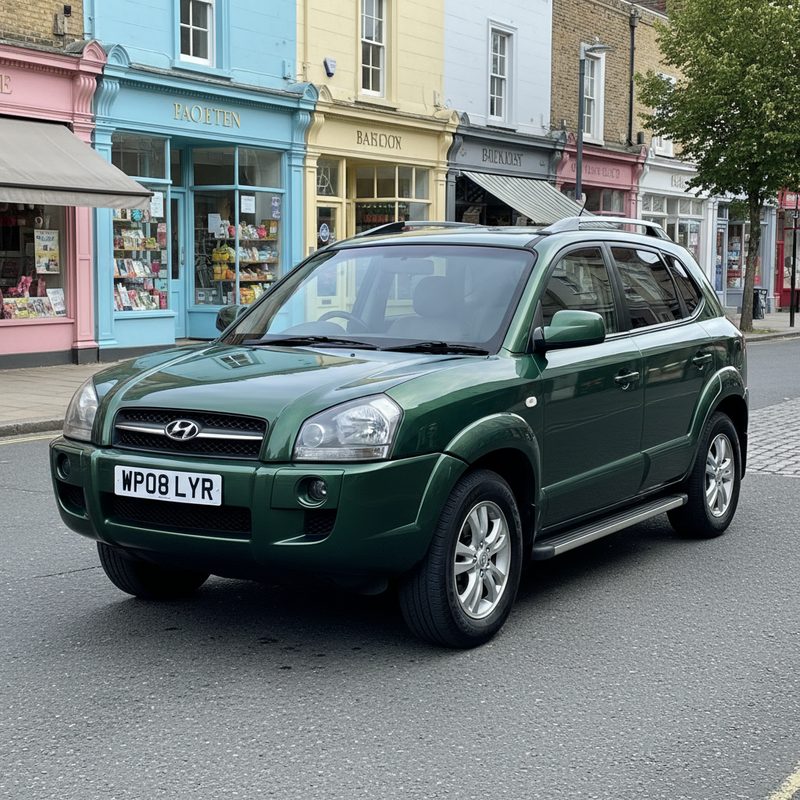
Hyundai Tucson Annual Running Costs UK
Discover the complete breakdown of annual running costs for the Hyundai Tucson, including insurance, fuel, servicing, and tips to save money.
Understanding the Hyundai Tucson
The Hyundai Tucson has carved out a solid reputation in the UK as a reliable and versatile compact SUV. With its spacious interior, modern technology, and a range of efficient engines, it appeals to families and individuals alike. However, before you decide to invest in a Tucson, it’s essential to understand the annual running costs associated with ownership. This guide will provide a comprehensive breakdown of these costs, helping you make an informed decision.
Total Annual Cost Estimate Breakdown
To give you a realistic picture of what it costs to own a Hyundai Tucson, let’s consider a typical scenario for a UK driver covering around 10,000 miles per year. The total annual running costs can be broken down into several key categories: insurance, fuel, servicing, and maintenance.
If you are weighing up alternatives, our guide to Tesla Model 3 Running Costs UK covers similar ground from a different angle.
Insurance Costs
Insurance is a significant factor in the overall running costs of any vehicle. The Hyundai Tucson typically falls into insurance groups ranging from 15 to 25, depending on the model and specifications. For a standard Tucson, you can expect annual insurance premiums to vary significantly based on your age, driving history, and location.
- Age Bracket Breakdown:
- Under 25: £1,200 - £1,800
- 25-40: £800 - £1,200
- 40-60: £600 - £900
- Over 60: £500 - £800
To reduce your insurance premiums, consider opting for a higher excess, installing a dashcam, or taking an advanced driving course. Additionally, using comparison sites like AutoTrader can help you find the best deals.
For more on this topic, take a look at our Vauxhall Astra Annual Running Costs UK guide.
Fuel Costs
Fuel consumption is another critical aspect of running costs. The Hyundai Tucson offers a range of engines, with the diesel variants generally being more fuel-efficient than their petrol counterparts. Manufacturer claims suggest that the Tucson can achieve between 40 to 55 MPG, depending on the engine and driving conditions. However, real-world driving often yields lower figures.
For our scenario of 10,000 miles per year, let’s assume an average fuel economy of 45 MPG. At the current UK fuel prices of approximately £1.50 per litre, here’s how the costs break down:
You might also find our How Much Does It Cost to Run an Audi A4 guide useful alongside this one.
- Annual Fuel Consumption: 10,000 miles / 45 MPG = 222.2 gallons
- Litres per Gallon: 1 gallon = 4.54609 litres
- Total Litres Needed: 222.2 gallons x 4.54609 = 1,010 litres
- Annual Fuel Cost: 1,010 litres x £1.50 = £1,515
Driving style can significantly impact fuel efficiency. Gentle acceleration and maintaining a steady speed can help you achieve better MPG, while aggressive driving can lead to increased fuel costs.
We have covered related ground in our Mazda 3 Annual Running Costs UK 2025 guide, which is worth reading if this subject interests you.
Servicing Costs
Regular servicing is crucial for keeping your Hyundai Tucson in good condition. The servicing schedule typically consists of minor and major services. A minor service usually includes an oil change, filter replacement, and general checks, while a major service encompasses more extensive inspections and replacements.
- Minor Service: £150 - £200
- Major Service: £300 - £400
Choosing an independent garage can often save you money compared to main dealers, where labour rates can be higher. If you’re handy with tools, consider performing basic maintenance yourself, such as oil changes and filter replacements, which can save you around £100 per service.
You can check the exact safety score for any model on the Euro NCAP website.
Common Repair Costs
While the Tucson is generally reliable, certain repairs can arise as the vehicle ages. Here’s a breakdown of common repair costs you might encounter:
- Brakes: £300 - £600 (every 30,000 miles)
- Tyres: £400 - £600 (set of four, depending on brand and type)
- Suspension: £200 - £400 (depending on the issue)
- Clutch Replacement: £500 - £1,000 (usually around 60,000 miles)
- Timing Belt/Chain: £400 - £800 (typically every 60,000 to 100,000 miles)
These costs can vary based on whether you go to a main dealer or an independent garage. It’s wise to keep an eye on your mileage and maintain a proactive approach to servicing to avoid more significant repair bills down the line.
If things go wrong after purchase, Citizens Advice can help you understand your legal rights.
Wear Items and Consumables
As with any vehicle, certain components will require regular replacement. Here’s a list of wear items and their typical replacement costs:
- Oil Filter: £10 - £20 (every service)
- Air Filter: £15 - £30 (every 20,000 miles)
- Brake Pads: £100 - £200 (every 30,000 miles)
- Wiper Blades: £20 - £40 (every year)
Being diligent about replacing these items can help maintain your Tucson’s performance and safety. Regular checks can prevent issues before they escalate into costly repairs.
You can look up the exact insurance group for any car on Thatcham's website before getting quotes.
Cost Comparison with Rivals
To give you a clearer picture of how the Hyundai Tucson stacks up against its competitors, let’s compare it with three rival SUVs: the Ford Kuga, VW Tiguan, and Nissan Qashqai. Each of these vehicles has its own strengths and weaknesses in terms of running costs.
| Car Model | Annual Insurance | Annual Fuel Cost | Servicing Costs | Common Repair Costs |
|---|---|---|---|---|
| Hyundai Tucson | £800 - £1,200 | £1,515 | £150 - £400 | £300 - £600 |
| Ford Kuga | £700 - £1,100 | £1,450 | £160 - £380 | £250 - £550 |
| VW Tiguan | £900 - £1,300 | £1,600 | £180 - £420 | £350 - £650 |
| Nissan Qashqai | £750 - £1,150 | £1,400 | £140 - £360 | £280 - £580 |
From this comparison, it’s clear that the Tucson is competitive in terms of insurance and fuel costs, though it may be slightly higher in servicing and repair costs compared to some rivals. However, its reliability and features often make it a worthwhile investment.
Dave's Money-Saving Tips
Owning a Hyundai Tucson doesn’t have to break the bank. Here are some actionable tips to help you save on running costs:
- Shop Around for Insurance: Use comparison websites to find the best deals. Don’t just settle for the first quote you receive.
- Regular Maintenance: Keeping up with servicing can prevent costly repairs later. Stick to the service schedule and address any issues promptly.
- Drive Economically: Adopt a smoother driving style to improve fuel efficiency. Avoid rapid acceleration and heavy braking.
- Buy Quality Parts: When replacing parts, opt for quality aftermarket components instead of cheaper alternatives. They may save you money in the long run.
- Join a Club: Consider joining a Hyundai owners club. Members often share tips on maintenance and can sometimes access discounts on parts and services.
Conclusion
The Hyundai Tucson is a solid choice for those seeking a reliable and versatile SUV. Understanding the annual running costs is crucial for budgeting and ensuring that you can afford to maintain your vehicle over time. With careful planning and a proactive approach to maintenance, you can enjoy the benefits of owning a Tucson without facing unexpected financial burdens.
Before making a purchase, always check the vehicle’s history using tools like the GOV.UK MOT history and DVLA vehicle check to ensure you’re making a sound investment. And remember, for a detailed analysis of any Hyundai Tucson you’re considering, check out Dave's free vehicle intelligence report. It’s an invaluable resource that can help you make a smarter decision.