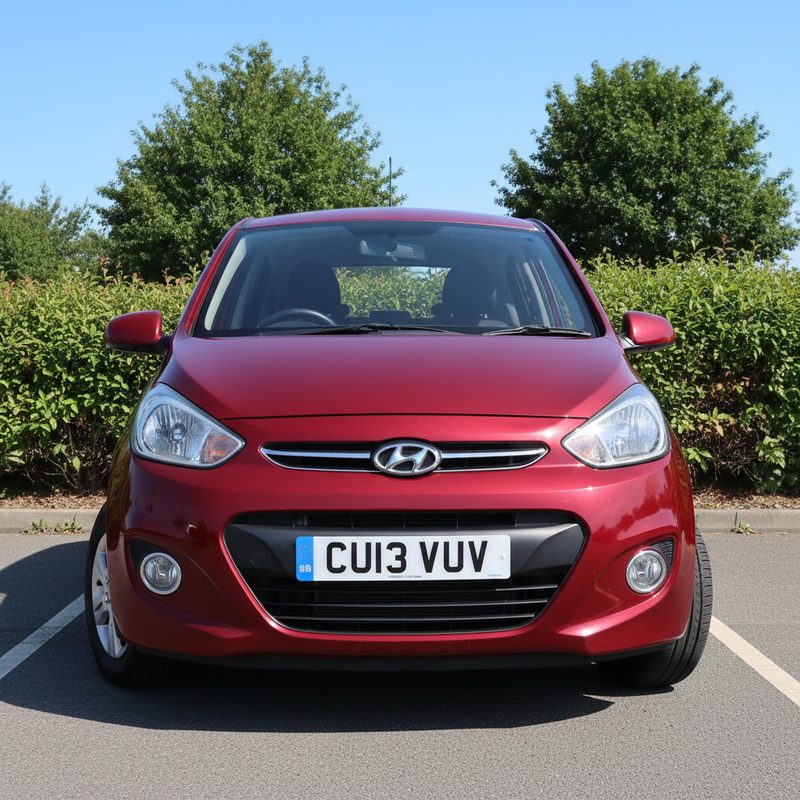
Hyundai i10 Running Costs — Cheapest City Car to Own
Explore the comprehensive running costs of the Hyundai i10, from insurance to fuel expenses, and learn why this city car is a top choice for budget-conscious drivers.
Overview of the Hyundai i10
The Hyundai i10 has carved out a reputation as one of the most economical city cars available in the UK. Compact yet surprisingly spacious, it’s designed for urban driving, making it a popular choice for those who navigate busy streets and tight parking spaces. With its low running costs, the i10 is particularly appealing for first-time buyers, young drivers, and anyone looking to keep their expenses in check.
In this guide, we’ll break down the annual running costs associated with owning a Hyundai i10, focusing on key areas such as insurance, fuel, servicing, and common repairs. By the end, you’ll have a clear understanding of what to expect financially when you decide to own this little gem.
Total Annual Cost Estimate Breakdown
To give you a realistic picture of the total annual cost of owning a Hyundai i10, let’s consider a typical scenario for a UK driver covering around 10,000 miles a year. The main components of running costs include insurance, fuel, servicing, road tax, and maintenance.
If you are weighing up alternatives, our guide to Audi Q3 Running Costs covers similar ground from a different angle.
Insurance
Insurance costs for the Hyundai i10 are generally low, making it an attractive option for budget-conscious drivers. Depending on the model and your personal circumstances, you can expect to pay between £600 and £800 annually. The i10 typically falls into insurance groups 1 to 5, which is quite favourable compared to many other vehicles. For younger drivers, premiums might be on the higher end, but there are ways to reduce these costs, which we’ll discuss later.
Fuel Costs
The i10 is known for its impressive fuel efficiency. While the manufacturer claims an average of around 55 to 60 miles per gallon (MPG), real-world figures often hover around 50 to 55 MPG, depending on driving style and conditions. With current petrol prices averaging about £1.50 per litre, a driver covering 10,000 miles annually can expect to spend roughly £1,200 on fuel. This is calculated based on an average consumption of 5.5 litres per 100 km, which translates to around 50 MPG.
Servicing and Maintenance
Regular servicing is crucial for keeping your i10 in top condition. A minor service typically costs around £150, while a major service can set you back about £300. If you opt for a main dealer, expect to pay a bit more compared to independent garages. Over the course of a year, budgeting around £400 for servicing and maintenance is a reasonable estimate.
Road Tax
Road tax for the Hyundai i10 is relatively low, usually falling into the £20 to £30 bracket annually, depending on the specific model and emissions. This is another area where the i10 shines, especially when compared to larger vehicles that can incur hefty road tax fees.
Total Annual Cost
Adding these figures together, a typical annual cost breakdown for a Hyundai i10 owner might look like this:
- Insurance: £700
- Fuel: £1,200
- Servicing: £400
- Road Tax: £25
Total Estimated Annual Cost: £2,325
This figure provides a solid foundation for understanding what it costs to run an i10, but keep in mind that individual circumstances can vary.
Insurance Costs Explained
Insurance is one of the most significant ongoing costs of car ownership, and the Hyundai i10 is designed to be affordable in this regard. As mentioned, the i10 typically falls into the lower insurance groups, which means lower premiums. Here’s a closer look at how insurance costs break down by age bracket:
For more on this topic, take a look at our SEAT Ibiza Annual Running Costs UK guide.
- Drivers aged 17-24: Expect to pay around £800 to £1,000 annually.
- Drivers aged 25-40: Costs generally drop to between £600 and £800.
- Drivers aged 41 and above: Premiums can be as low as £500.
To keep your insurance costs down, consider these tips:
- Increase your excess: Opting for a higher voluntary excess can lower your premium.
- Consider telematics insurance: Black box policies can reward safe driving with lower premiums.
- Shop around: Use comparison sites like AutoTrader to find the best deals.
- Add a named driver: Sometimes, adding a more experienced driver can reduce costs.
Fuel Costs: What to Expect
Fuel costs are a major consideration for any car owner, and the Hyundai i10 offers commendable efficiency. While the manufacturer’s claims are optimistic, real-world driving often yields slightly lower MPG figures. Here’s how fuel costs can break down:
You might also find our Jaguar XE Running Costs guide useful alongside this one.
- Manufacturer Claim: 55-60 MPG.
- Real-World MPG: 50-55 MPG.
Assuming an average of 52 MPG, let’s calculate the annual fuel cost:
- Annual Mileage: 10,000 miles.
- Litres per 100 km: Approximately 5.5.
- Total Litres Needed: 10,000 miles = 16,093 km, which is about 885 litres.
- Cost of Fuel: At £1.50 per litre, this results in an annual fuel cost of roughly £1,327.50.
Your driving style can significantly impact fuel consumption. Aggressive acceleration and heavy braking can lower your MPG, while smooth driving can help you achieve better efficiency.
We have covered related ground in our Honda HR-V Annual Running Costs UK 2025 guide, which is worth reading if this subject interests you.
Servicing: Keeping Your i10 in Top Shape
Regular servicing is essential for maintaining the performance and reliability of your Hyundai i10. Here’s a breakdown of what to expect in terms of servicing costs:
Service Schedule
- Minor Service: Typically includes an oil change, filter replacement, and checks on essential systems. Costs around £150.
- Major Service: More comprehensive, including checks on brakes, suspension, and other critical components. Costs about £300.
Dealer vs Independent Garage
Using a main dealer for servicing can be more expensive, but it often comes with the assurance of using genuine parts and trained technicians. Independent garages can offer significant savings, sometimes up to 30% less than dealer prices. If you’re comfortable with DIY, you can save even more by performing basic maintenance tasks yourself, such as oil changes and filter replacements.
Common Repair Costs
While the Hyundai i10 is generally reliable, certain repairs are more common than others. Here’s a look at typical repair costs you might encounter:
You can check any car's full MOT history for free on GOV.UK before arranging a viewing.
- Brakes: Expect to pay around £200-£300 for a full brake replacement, including pads and discs.
- Tyres: A set of four tyres can cost between £200 and £400, depending on the brand and type.
- Suspension: Repairs can range from £150 for minor issues to £500 for more extensive work.
- Clutch Replacement: This can be a significant expense, usually costing between £400 and £800.
- Timing Belt/Chain: Replacement costs can vary widely, but budgeting £300-£500 is a good rule of thumb.
Regular maintenance can help prevent many of these issues, but it’s wise to set aside a budget for unexpected repairs.
Wear Items and Consumables
Certain components of your Hyundai i10 will require regular replacement. Here’s a list of common wear items and their associated costs:
If things go wrong after purchase, Citizens Advice can help you understand your legal rights.
- Wiper Blades: Typically cost around £20-£30 for a full set.
- Air Filter: Replacement costs about £20.
- Oil Filter: Usually around £10.
- Brake Pads: Expect to pay £50-£100 for a set.
These items should be replaced as per the manufacturer’s recommendations or when they show signs of wear. Keeping track of these consumables can help you avoid larger repair bills down the line.
Cost Comparison with Rivals
When considering the Hyundai i10, it’s worth comparing it to similar city cars to see how it stacks up in terms of running costs. Here’s a quick comparison with a few rivals:
You can look up the exact insurance group for any car on Thatcham's website before getting quotes.
| Car Model | Annual Insurance | Annual Fuel Cost | Annual Servicing | Road Tax | Total Annual Cost |
|---|---|---|---|---|---|
| Hyundai i10 | £700 | £1,327.50 | £400 | £25 | £2,325 |
| VW Polo | £800 | £1,400 | £450 | £30 | £2,680 |
| Ford Fiesta | £750 | £1,350 | £400 | £20 | £2,520 |
| Citroen C1 | £650 | £1,300 | £350 | £20 | £2,320 |
As you can see, the Hyundai i10 competes very well against its rivals, often coming out on top in terms of overall affordability. The Citroen C1 is slightly cheaper overall, but the i10 offers a more robust package in terms of features and reliability.
Dave's Money-Saving Tips
Owning a Hyundai i10 can be budget-friendly, but there are always ways to save even more. Here are some actionable tips to help reduce your running costs:
- Shop Around for Insurance: Use comparison websites to find the best deals. Don’t just settle for the first quote you receive.
- Maintain Your Vehicle: Regular servicing can prevent costly repairs down the line. Follow the service schedule diligently.
- Drive Economically: Adopting a smoother driving style can improve fuel efficiency, saving you money at the pump.
- Consider Tyre Pressure: Keeping your tyres properly inflated can enhance fuel efficiency and prolong tyre life.
- Use Public Transport When Possible: If you live in a city, consider using public transport for short trips to save on fuel and wear and tear.
Conclusion
The Hyundai i10 stands out as one of the most economical city cars available in the UK, with low running costs that make it an attractive option for a wide range of drivers. From its affordable insurance premiums to its impressive fuel efficiency and low servicing costs, it’s clear why the i10 is often regarded as the cheapest city car to own.
If you’re considering purchasing a Hyundai i10, it’s wise to check the vehicle’s history and condition. You can do this easily with Dave's free vehicle intelligence report, which provides valuable insights into any used car you’re considering. This way, you can make a more informed decision and ensure you’re getting the best value for your money.
Whether you’re a first-time buyer or looking for a reliable second car, the Hyundai i10 is worth serious consideration. With its combination of practicality, efficiency, and affordability, it’s a smart choice for anyone navigating the urban landscape.
Check Hyundai i10, instantly with Dave's free vehicle intelligence report.
Check any Hyundai i10 with Dave's free vehicle intelligence report