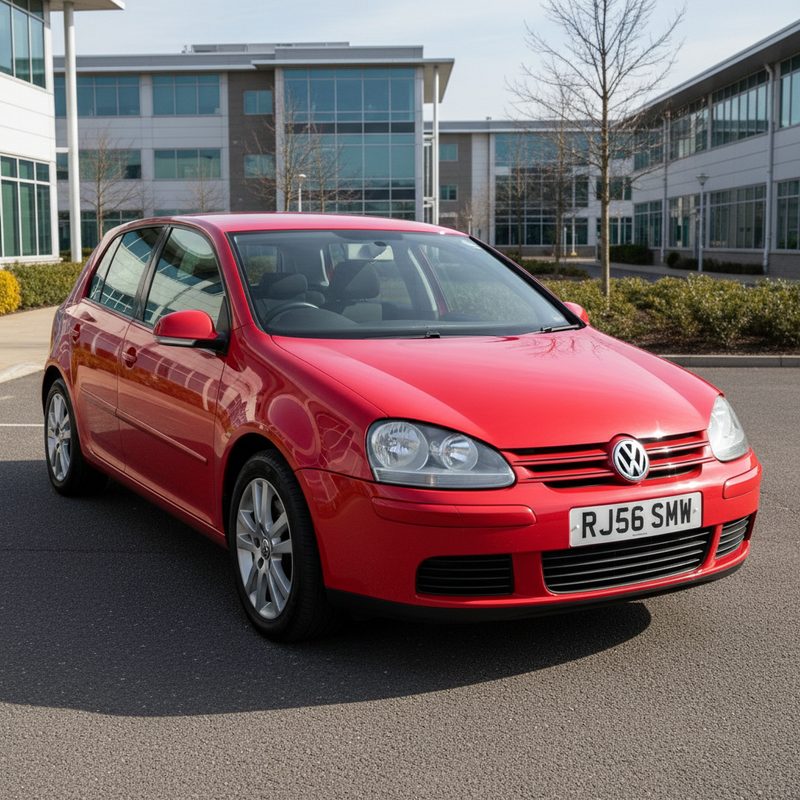
VW Golf Annual Running Costs UK — Complete Guide
Explore the comprehensive breakdown of annual running costs for the VW Golf in the UK, covering everything from insurance to servicing and common repairs.
Understanding the Annual Running Costs of a VW Golf
When considering a used VW Golf, understanding the annual running costs is crucial for budgeting. The VW Golf is a popular choice among UK drivers, known for its reliability, comfort, and performance. However, like any vehicle, it comes with its own set of expenses. In this guide, we will break down the total annual cost estimate for a typical UK driver covering 10,000 miles a year, including insurance, fuel, servicing, repairs, and comparisons with rival vehicles.
Total Annual Cost Estimate Breakdown
For a typical UK driver covering 10,000 miles per year, the total annual running costs for a VW Golf can vary significantly based on factors such as the model year, engine type, and individual driving habits. Here’s a realistic scenario:
- Insurance: Expect to pay between £600 and £1,200 annually, depending on your age, driving history, and the specific model of the Golf.
- Fuel: With an average fuel price of around £1.50 per litre and an average fuel economy of 45 MPG for a mid-range Golf, you could spend approximately £1,200 on fuel each year.
- Servicing: Annual servicing costs can range from £150 for a minor service to £300 for a major service, averaging around £225.
- Repairs: Setting aside £300 annually for unexpected repairs is wise, especially for wear and tear items.
- Road Tax: Depending on the engine size, road tax can range from £0 to £200 per year. For a typical Golf, expect around £150.
Total Estimated Annual Cost: Adding these figures together, you’re looking at approximately £2,625 annually. This figure can fluctuate based on personal circumstances, but it provides a solid baseline for budgeting.
Insurance Costs for the VW Golf
Insurance is one of the most significant ongoing costs for any vehicle owner. The VW Golf typically falls into insurance groups ranging from 10 to 30, depending on the model and specifications. Here’s a breakdown of typical annual insurance costs by age bracket:
- Under 25: £1,200 - £2,000
- 25-40: £600 - £1,000
- 40-60: £500 - £800
- Over 60: £400 - £700
To reduce your premiums, consider the following tips:
- Increase your excess: A higher voluntary excess can lower your premium.
- Limit mileage: If you can, limit your annual mileage to reduce risk.
- Add a named driver: Adding an experienced driver can sometimes lower costs.
- Compare quotes: Use comparison websites to ensure you’re getting the best deal.
- Consider telematics insurance: This type of insurance monitors your driving habits and can reward safe driving with lower premiums.
Fuel Costs: Real-World MPG vs Manufacturer Claims
Fuel costs can be a significant part of your annual running expenses. While manufacturers often claim impressive MPG figures, real-world performance can differ. For example, a VW Golf may be advertised as achieving 60 MPG, but many drivers report closer to 45 MPG under typical driving conditions.
Assuming an average of 45 MPG and current fuel prices at £1.50 per litre, here’s how to calculate your annual fuel costs:
- Convert miles to gallons: 10,000 miles / 45 MPG = 222.22 gallons.
- Convert gallons to litres: 222.22 gallons x 4.54609 (litres per gallon) = 1,010.5 litres.
- Calculate cost: 1,010.5 litres x £1.50 = £1,515.75.
Driving style also impacts fuel consumption. Aggressive driving, rapid acceleration, and excessive idling can all lead to increased fuel costs. By adopting a smoother driving style, you can improve your MPG and save money.
Servicing Costs: Minor vs Major Service
Regular servicing is essential for maintaining your VW Golf’s performance and longevity. The servicing schedule typically includes:
- Minor Service: Every 10,000 miles or annually, costing around £150. This includes oil and filter changes, fluid checks, and basic inspections.
- Major Service: Every 20,000 miles or every two years, costing between £250 and £300. This includes everything in a minor service plus additional checks and replacements, such as air filters and spark plugs.
Choosing between a dealer and an independent garage can significantly affect costs. Dealer servicing tends to be more expensive, often charging up to 20% more than independent garages. However, independent garages can provide quality service at a lower price. If you’re handy, consider DIY servicing for even more savings, particularly for minor tasks like oil changes and air filter replacements.
Common Repair Costs
As your VW Golf ages, certain repairs may become necessary. Here’s a breakdown of common repair costs, along with typical mileage intervals:
- Brakes: Front brake pads can cost around £100 to £150 for parts and labour, typically needing replacement every 30,000 to 50,000 miles.
- Tyres: A full set of tyres can range from £300 to £600, depending on the brand and type. Expect to replace them every 25,000 to 40,000 miles.
- Suspension: Replacing shock absorbers can cost around £400 to £600, usually needed every 60,000 to 80,000 miles.
- Clutch: A clutch replacement can set you back £500 to £1,000, typically required around 80,000 to 100,000 miles.
- Timing Belt/Chain: Replacement costs can vary from £400 to £800, with intervals typically around 60,000 to 100,000 miles.
Setting aside a budget for these repairs is wise, as they can add up quickly over time.
Wear Items and Consumables
In addition to major repairs, there are several wear items and consumables that you’ll need to replace regularly. These include:
- Oil and Filters: Expect to spend around £50 for an oil change, including oil and filter replacements, every 10,000 miles.
- Wiper Blades: A new set of wiper blades costs about £20 to £30 and should be replaced annually.
- Brake Pads: As mentioned, these can cost around £100 to £150 and are typically replaced every few years.
- Air Filters: Replacing the air filter costs about £20 to £30 and should be done every 20,000 miles.
These consumables are essential for keeping your Golf running smoothly and efficiently, so factor these costs into your annual budget.
Cost Comparison with Rivals
When considering a VW Golf, it’s essential to compare its running costs with rival vehicles in the same class. Here’s how it stacks up against a few competitors:
- Ford Focus: Generally similar in insurance costs but may have slightly lower servicing costs, averaging £200 for a major service.
- Vauxhall Astra: Often cheaper to insure, especially for younger drivers, with annual premiums around £500 to £900.
- Honda Civic: Typically has higher reliability ratings, which can lead to lower repair costs, but servicing can be on par with the Golf.
Overall, while the VW Golf may not always be the cheapest option, its balance of performance, comfort, and reliability makes it a strong contender in the hatchback market.
Dave's Money-Saving Tips
To help you manage your running costs effectively, here are some actionable tips:
- Shop Around for Insurance: Always compare quotes from different insurers to find the best deal.
- Use Fuel Efficiently: Maintain steady speeds and avoid heavy acceleration to improve fuel economy.
- Consider a Service Plan: Some garages offer service plans that can spread the cost of servicing over the year, making it more manageable.
- DIY Where Possible: Learn basic maintenance tasks to save on labour costs, such as changing oil or replacing wiper blades.
- Join a Loyalty Scheme: Some fuel stations offer loyalty cards that can provide discounts or points towards future fuel purchases.
Conclusion
Owning a VW Golf can be a rewarding experience, but understanding the annual running costs is essential for effective budgeting. From insurance and fuel to servicing and repairs, being informed will help you make smarter decisions as a used car buyer. Remember, before purchasing any used VW Golf, check it with Dave's free vehicle intelligence report to ensure you’re making a sound investment. By being proactive and informed, you can enjoy the benefits of your VW Golf while keeping running costs manageable.
Check VW Golf, instantly with Dave's free vehicle intelligence report.
Check any VW Golf with Dave's free vehicle intelligence report