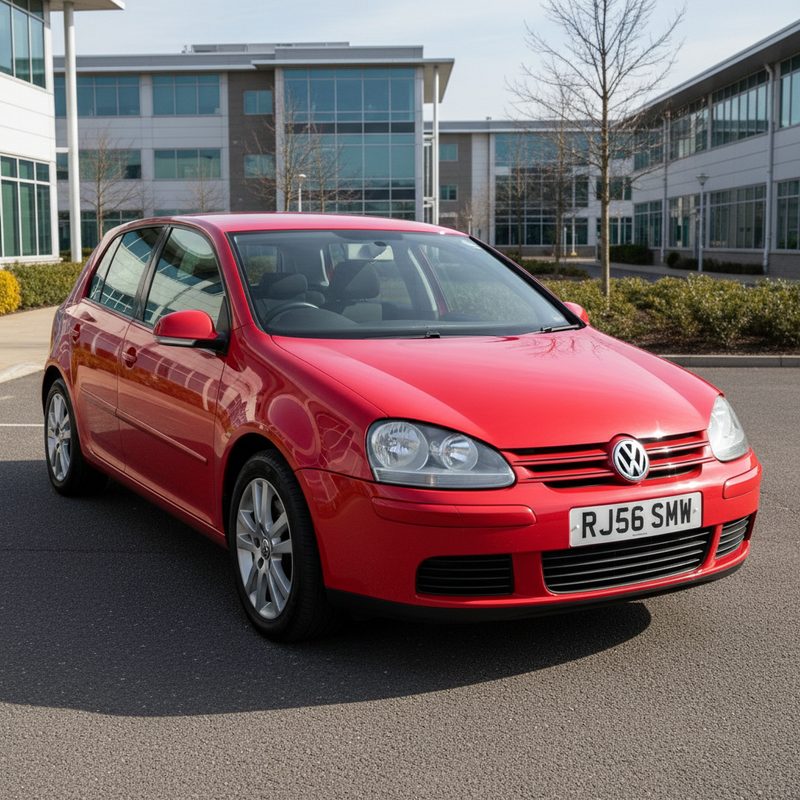
VW Golf With 60,000 Miles — Sweet Spot or Too Late
Considering a VW Golf with 60,000 miles? This guide explores what to expect, potential issues, and whether it's a wise investment.
What to Expect from a VW Golf at 60,000 Miles
When evaluating a used VW Golf with around 60,000 miles on the clock, buyers should consider a mix of factors that can significantly influence the vehicle's reliability and performance. The VW Golf is renowned for its solid build quality and driving dynamics, making it a popular choice among hatchback enthusiasts. However, at this mileage, it’s essential to understand what you’re getting into.
Typically, a VW Golf at this mileage should still be in good condition, assuming it has been well-maintained. Most models in this range will have undergone their first major service, which often includes essential checks and replacements of fluids, filters, and belts. If the previous owner adhered to the recommended service intervals, you can expect a relatively trouble-free driving experience.
However, it’s crucial to note that not all 60,000-mile Golfs are created equal. Variations in driving style, maintenance history, and even the specific model year can affect the car's longevity and performance. For instance, a Golf that has primarily been used for short city trips may have more wear on its components compared to one that has been used for longer motorway journeys. This is because stop-and-go driving can lead to increased wear on the engine and transmission.
If you are weighing up alternatives, our guide to Toyota Yaris at 120,000 Miles covers similar ground from a different angle.
Additionally, the type of fuel used can also play a role in the car's condition. Diesel Golfs, particularly the 1.6 TDI models, are known for their fuel efficiency but can be susceptible to issues like DPF (Diesel Particulate Filter) clogging if not driven regularly on longer journeys. This is a critical consideration for potential buyers, as repairs can be costly and time-consuming.
In summary, a VW Golf with 60,000 miles can be a sweet spot for buyers looking for a reliable hatchback, but due diligence is essential. Checking the service history and understanding the driving conditions the car has been subjected to will help you make an informed decision.
For more on this topic, take a look at our Discovery Sport at 80,000 Miles guide.
Components That Typically Need Attention at This Mileage
As the mileage creeps up to 60,000, certain components in the VW Golf may start to show signs of wear and tear. Understanding these potential issues can save you from unexpected repair bills down the line. Here are some key areas to inspect:
1. Brakes
Brakes are one of the most critical safety components in any vehicle. At 60,000 miles, it’s common for brake pads and discs to require replacement, especially if the car has been driven in urban settings where frequent stopping occurs. Inspect the thickness of the pads and the condition of the discs. If they’re worn, budgeting around £200-£300 for a full brake service is advisable.
2. Tyres
Tyres should also be closely examined. Depending on the type of driving, they may need replacing. Look for uneven wear patterns, which can indicate alignment issues or suspension problems. A good set of tyres can cost between £300-£600, depending on the brand and specifications.
3. Suspension Components
Suspension components, including shock absorbers and bushings, may start to wear out around this mileage. If the car feels bouncy or unstable during drives, it’s worth having the suspension checked. Replacing worn shocks can cost around £400-£800, depending on whether you opt for OEM or aftermarket parts.
4. Timing Belt
For many VW Golf models, the timing belt should be replaced around the 60,000-mile mark. Failing to do so can lead to catastrophic engine damage. The cost for a timing belt replacement can range from £400-£600, so ensure this has been done or budget for it if you decide to purchase the vehicle.
5. Fluids and Filters
Regular fluid changes are crucial for maintaining engine health. Check if the oil, coolant, and transmission fluids have been changed as per the manufacturer’s recommendations. Neglecting these can lead to engine wear and costly repairs.
By being aware of these components and their potential issues, you can negotiate better prices or make informed decisions about necessary repairs before committing to a purchase.
You might also find our Nissan Qashqai With 60,000 Miles guide useful alongside this one.
Is the Price Usually Right for This Mileage? What Discount to Expect
Understanding the pricing landscape for a VW Golf with 60,000 miles is crucial for making a savvy purchase. Generally, the price will vary based on factors such as model year, trim level, and overall condition. In the current market, you can expect to pay anywhere from £12,000 to £18,000 for a well-maintained Golf at this mileage, depending on the model and specification.
Market Comparison
To gauge whether the price is right, it’s wise to compare similar models on platforms like AutoTrader. For instance, a 2018 VW Golf might be priced around £15,000, while a 2016 model could be closer to £12,000. The differences in price often reflect the demand for specific models and their features.
Negotiation Tips
When negotiating, consider the following:
- Service History: A complete service history can justify a higher price, while missing records may warrant a discount.
- Condition: If the car shows signs of wear, such as scuffed alloys or worn interiors, use this as leverage in your negotiations.
- Market Trends: Keep an eye on market trends; if prices for used cars are declining, you may have room to negotiate a better deal.
Expected Discounts
Typically, you might expect a discount of around 5-10% off the asking price if the car has minor issues or lacks a complete service history. For example, if a VW Golf is listed at £15,000, you could aim to negotiate down to £13,500-£14,250 based on the condition and service records.
In conclusion, understanding the pricing dynamics and being prepared to negotiate can lead to a better deal on your VW Golf purchase.
We have covered related ground in our Peugeot 208 at 80,000 Miles guide, which is worth reading if this subject interests you.
Red Flags in the MOT History at This Mileage
The MOT history of a vehicle can provide invaluable insights into its past and potential future issues. For a VW Golf with 60,000 miles, checking the MOT history is not just a formality; it’s a necessity. Here are some red flags to look out for:
Frequent Failures
If the MOT history shows multiple failures, especially in critical areas like emissions, brakes, or steering, it’s a significant red flag. Frequent failures can indicate underlying issues that may not be easily rectified.
Advisories
While advisories are not failures, they can indicate components that may need attention soon. For example, if the MOT history lists advisories for worn suspension components or brakes, it’s wise to factor in the cost of repairs when considering the purchase.
Mileage Discrepancies
Always check for consistency in the mileage recorded during each MOT test. If there are significant discrepancies, it could indicate that the car has been clocked, which is illegal and can lead to serious issues down the line. Use the GOV.UK MOT history tool to verify the mileage.
Recent Failures
If the car has recently failed its MOT, especially if it was for something serious, you should approach with caution. Ensure that any repairs have been completed and verified before considering the purchase.
Lack of MOT History
A lack of MOT history can be a red flag in itself. It may suggest that the car has been off the road for an extended period, which can lead to its own set of issues, such as rust or battery problems.
By thoroughly examining the MOT history, you can avoid potential pitfalls and make a more informed decision.
You can check the exact safety score for any model on the Euro NCAP website.
Dave's Verdict — Worth the Risk or Walk Away?
In my opinion, a VW Golf with 60,000 miles can indeed be a sweet spot for buyers, provided you do your homework. The Golf is a well-engineered vehicle that balances performance, comfort, and practicality, making it a solid choice for many drivers. However, it’s crucial to approach the purchase with a critical eye.
If the car has a full service history, a clean MOT record, and has been well-maintained, it can offer excellent value for money. On the other hand, if you encounter red flags such as a lack of service records, frequent MOT failures, or signs of neglect, it may be wise to walk away.
Ultimately, the key is to balance the potential benefits against the risks. A well-maintained VW Golf can serve you reliably for many more miles, while a neglected one can lead to a series of headaches and costly repairs. Always check the mileage history with Dave's free report to ensure you’re making a sound investment.
In conclusion, a VW Golf with 60,000 miles can be a great buy if you’re diligent about checking its history and condition. With the right approach, you can secure a reliable car that will serve you well for years to come.
Check VW Golf, instantly with Dave's free vehicle intelligence report.
Check any VW Golf's mileage history with Dave's free report